Record U.S. Container Imports in October 2026: How to Plan Q1 Freight
October 2026 set an all-time U.S. container import record while port delays climbed. Here is what importers from Asia should book for Q1.
In this piece 7 sections
U.S. container imports hit a record 2.67 million TEUs in October 2026, and port delays are rising with them. For Q1, book earlier than usual, lock cargo-ready dates with each factory, and keep an East Coast routing as a backup. Mark January 5 and January 9 as the two policy dates that can change your costs.
Record container imports change what a booking is worth. This guide is for importers, sourcing managers and ops leads who buy from Asia and need a Q1 freight plan. It covers what the October numbers say, where delays are building, which dates can move your costs, and the steps to take this week. Eastern Plays covers sourcing and shipping from Asia, and this is the plain version of what the data means for your orders.
What Happened to Container Imports in October 2026?
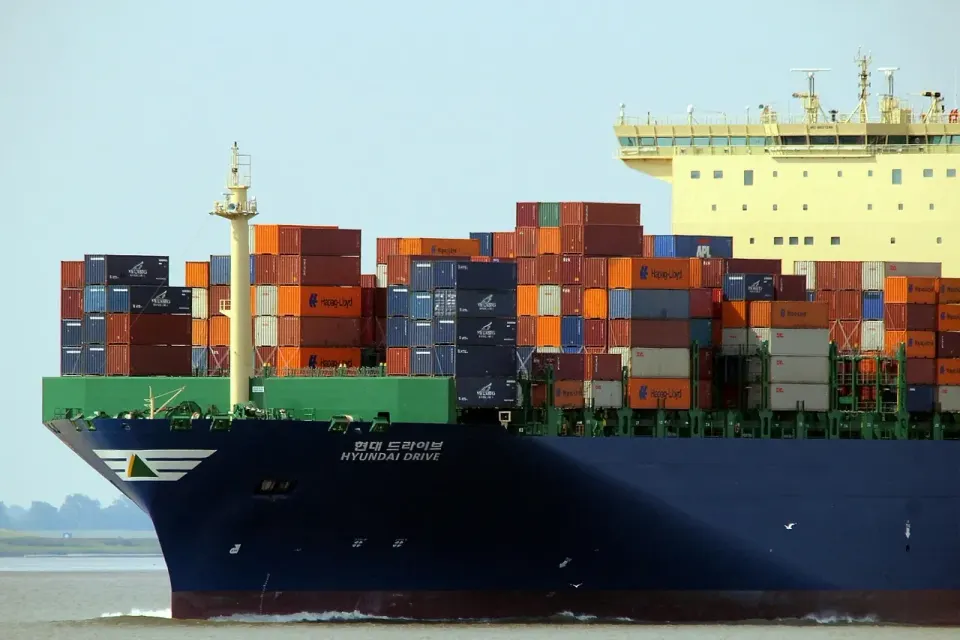
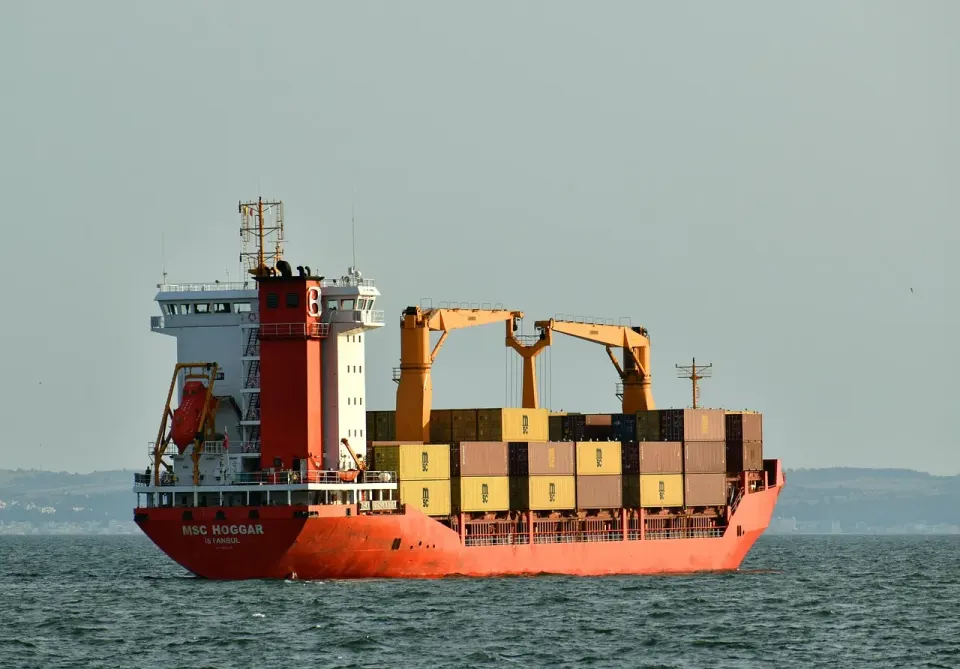
U.S. container imports reached 2,674,808 TEUs in October 2026, a record for any month. That is 5% above September and 16% above October 2025. A TEU is one twenty-foot container, the standard unit for counting ocean cargo.
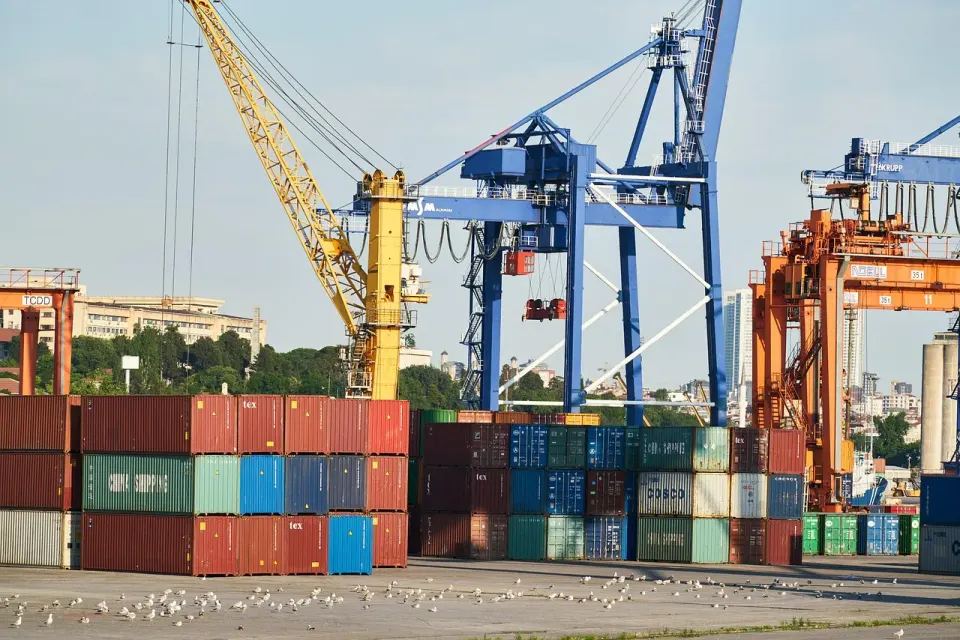
The figures come from the November Global Shipping Report by Descartes Systems Group, which tracks customs data. October beat the old record from May 2022 by 52,343 TEUs. Through the first ten months of 2026, volume is 2.3% ahead of the same period in 2025.
China drove much of the gain. Shipments from China reached 987,805 TEUs, up 22.9% from a year earlier and 36.9% of all U.S. container imports. Plastics made up 14.6% of that volume, furniture and bedding 13.9%, and toys and sporting goods 10.4%.
A record month is not the same as a record rate. The count measures boxes arriving, not what carriers charge. Descartes also points to peak-season demand and uneven vessel arrivals as likely reasons the East and Gulf Coast ports jumped so sharply, so one month should not be read as a new normal.
If you ship furniture, the timing matters even more. Our Section 232 furniture and cabinet tariff calendar shows how the January duty dates can pull orders forward and add to the same peak.
Why Are Port Delays Rising Without a Full Congestion Crisis?
Delays are rising because volume has stayed above 2.5 million TEUs every month since July 2026. Descartes reports the average delay across the top 10 U.S. ports rose from 4.2 days in June to 6.3 days in October. That is about 50% higher in four months.
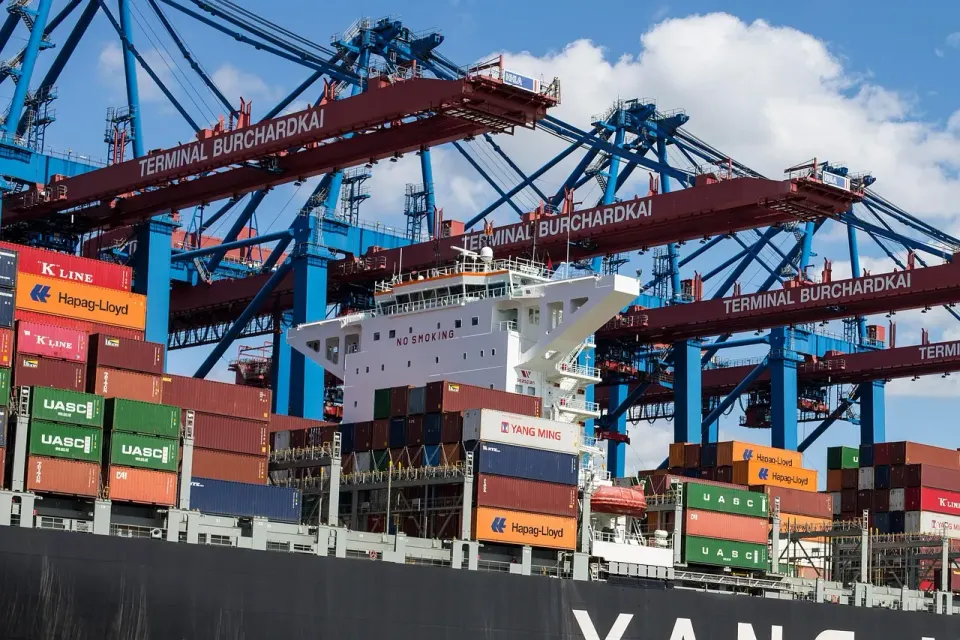
No single port has jammed. Instead, the extra days build up in small steps: a late vessel, a full yard, a trucker shortage on the day your container is ready. Each one is minor on its own. Together they push a delivery date by a week.
At Eastern Plays, we treat a six-day average as a planning number, not an outlier. If your retail customer sets a hard in-store date, build the extra six days into the schedule before you confirm it. The same logic applies to a sailing that already runs late from Asia, which our typhoon season sourcing plan walks through.
A counterpoint is worth stating. Descartes says it sees no broad congestion yet, and one more strong month could ease or worsen the picture. November data will show which way it goes.
Which Ports and Routes Should You Check Before Booking?
Check East and Gulf Coast ports first, because they gained share in October. The top five East and Gulf gateways handled 39.9% of U.S. imports, up from 36.7% in September. The top five West Coast gateways fell to 44.9% from 47.0%.
| Port | Change, Sept to Oct 2026 |
|---|---|
| Houston | Up 26.7% |
| Charleston | Up 18.6% |
| Norfolk | Up 17.7% |
| Savannah | Up 12.6% |
| Los Angeles | Down 1.4% |
| Long Beach | Down 2.0% |
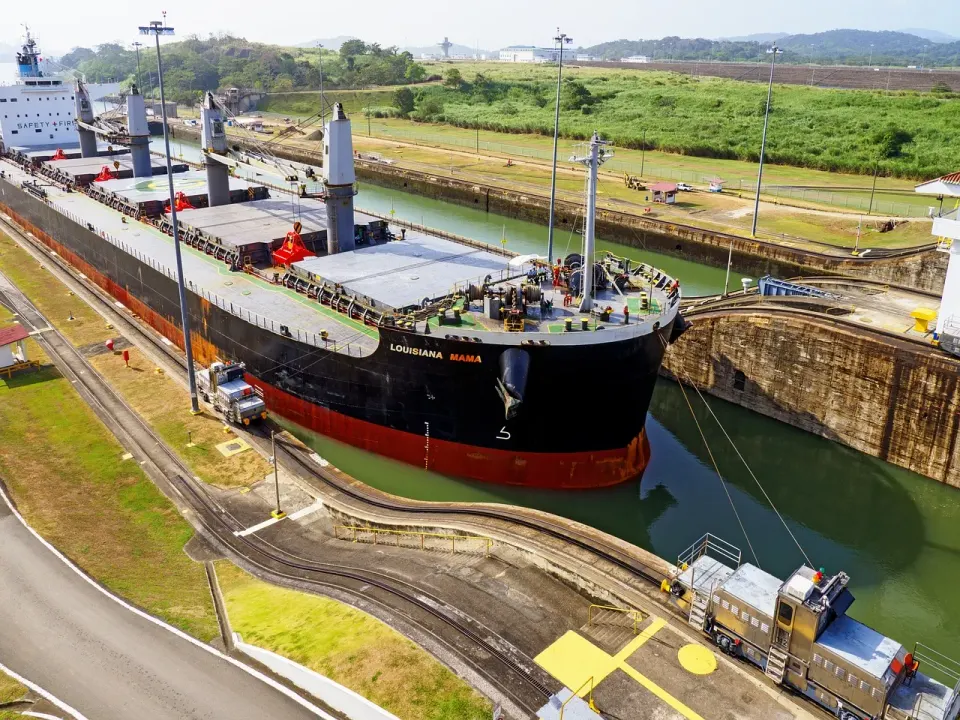
The Panama Canal matters for these routings. The Panama Canal Authority raised daily Neopanamax transits from nine to 10 starting October 15, for a combined 33 daily slots. More slots help East Coast services, but slot access can still tighten.
West Coast labor is a second risk. The Pacific Maritime Association (PMA) says ILWU Local 26 represents about 250 watchmen at six container terminals in Los Angeles and Long Beach. They are only about 2% of the union's port workforce, yet they work at terminals that handle more than half the ports' cargo. Talks ran to a November 20 deadline, so check the latest status before you commit to a West Coast routing.
Suez is the third variable. Descartes notes that carriers added selected Suez services, but only under security conditions, and it counted 129 confirmed shipping incidents in the Strait of Hormuz region through November 5. For Europe-bound cargo, read our note on how the Gemini route shift changes Asia-Europe lead times before you assume a shorter transit.
Should You Ship Early or Wait for Delays to Ease?
Ship early only for goods you are sure will sell, and wait on the rest. Early shipping buys safety against late arrivals. It also ties up cash, takes warehouse space and risks a tariff change landing after you have paid.
Shipping early makes sense in three cases. The product is a proven seller with steady demand. The goods are seasonal and a late arrival means a lost season. Or a supplier has a hard cut-off before Lunar New Year. In each case, the cost of a stockout is larger than the cost of holding extra units for a few weeks.
Waiting makes sense when the SKU is new or untested, when the forecast is soft, or when your warehouse is already full. A smaller first shipment with a second one behind it is often safer than one oversized container. If you wait, keep the factory slot reserved so you do not lose your place in the queue.
Either way, write down the trigger. For example, decide that if the average port delay passes seven days, you move the next order to air for the 10 fastest-selling SKUs. Our comparison of air freight versus ocean from Asia shows where that switch starts to pay off.
What Policy Dates Could Change Your Q1 Landed Cost?
Three dates matter between now and mid-February. The first is January 5, 2027, when CBP's heightened foreign importer-of-record requirements take effect. Our guide to the foreign importer of record rule explains what a CTPAT-based requirement means for a foreign company that imports under its own name.
The second is January 9, 2027. The Office of the U.S. Trade Representative (USTR) posted a notice on November 6, 2026 that suspends its China maritime actions for two more months, through January 9. Port fees on China-linked vessels would return after that unless the suspension is extended again. We broke down the risk in our post on China ship fees and what importers should check.
The third is Lunar New Year 2027, which will stop most Chinese factories for days or weeks. Orders that miss the pre-holiday window slip into March. Use our Lunar New Year 2027 order deadlines calendar to set each supplier's last production date.
Money has a cost too. The Federal Reserve held its federal funds target range at 3-3/4 to 4 percent on October 28, 2026. Financing a pile of early inventory is not free at that rate, so pull orders forward only for the SKUs that will sell.
How Should You Book Q1 Freight Now?
Follow these six steps, in order, to turn the record volumes into a workable Q1 plan.
- List every order shipping between December and March, with its cargo-ready date and hard in-stock date.
- Ask each factory for a firm production finish date, not an estimate.
- Book inspections for the week the goods finish, so the container is not waiting on a report.
- Request quotes for both a West Coast and an East or Gulf Coast routing.
- Confirm space and the latest cargo cut-off with your forwarder in writing.
- Add six days to your delivery plan, then add the Lunar New Year gap.
Keep one shared sheet for all of it. Put the order, factory, cargo-ready date, inspection date, vessel cut-off and routing on a single line. When a date slips, change that line and tell the factory, the inspector and the forwarder on the same day. Most missed cut-offs come from one party working from an old date.
Inspection timing is the step most importers skip. A late report holds a booking, and a held booking misses its cut-off. The Chinese New Year 2027 production and inspection timeline shows how to line up both.
Contract rates deserve a second look as well. If you ship regularly, read our guide on what to lock in with ocean freight contracts for 2027 before you sign.
What Should Importers Do Next?
Treat October as a signal, not a spike. Volume has stayed above 2.5 million TEUs every month since July, and delays have grown with it. The practical answer is earlier booking, a firm factory schedule and a second routing on paper.
This week, build the order list from the steps above and call your forwarder. Then check the Local 26 status, the January 5 and January 9 dates, and the Lunar New Year cut-offs. Eastern Plays will keep tracking the monthly Descartes data, so you can see whether delays ease or keep building.