Fuel Surcharges in Q4 2026: How to Read the Line Items on Your Freight Quote
With U.S. diesel above $6 a gallon, carriers are raising inland and bunker charges. Here is how to read, compare and check them on an Asia import quote.
In this piece 11 sections
Fuel surcharges are the fastest-moving line on a freight quote in late 2026. U.S. diesel averaged $6.276 a gallon on October 19, up from $2.656 a year earlier. Carriers are passing that on through bunker, inland and intermodal charges. Maersk's U.S. inland fuel surcharge rises from $140 to $215 per container on November 1.
This guide is for importers who buy from Asia and need to compare quotes or check invoices. It explains the fuel-related charges, which ones apply to your shipment and how to avoid paying twice. Eastern Plays covers shipping, customs and sourcing for Western businesses in Asia, and a quote that leaves out surcharges is a quote you cannot compare.
Why fuel surcharges are climbing
Diesel is the cost driver behind the inland charges. The U.S. Energy Information Administration (EIA) shows the weekly U.S. on-highway diesel price at $6.276 on October 19, 2026. That was up $0.097 from the week before. A year earlier the figure was $2.656.
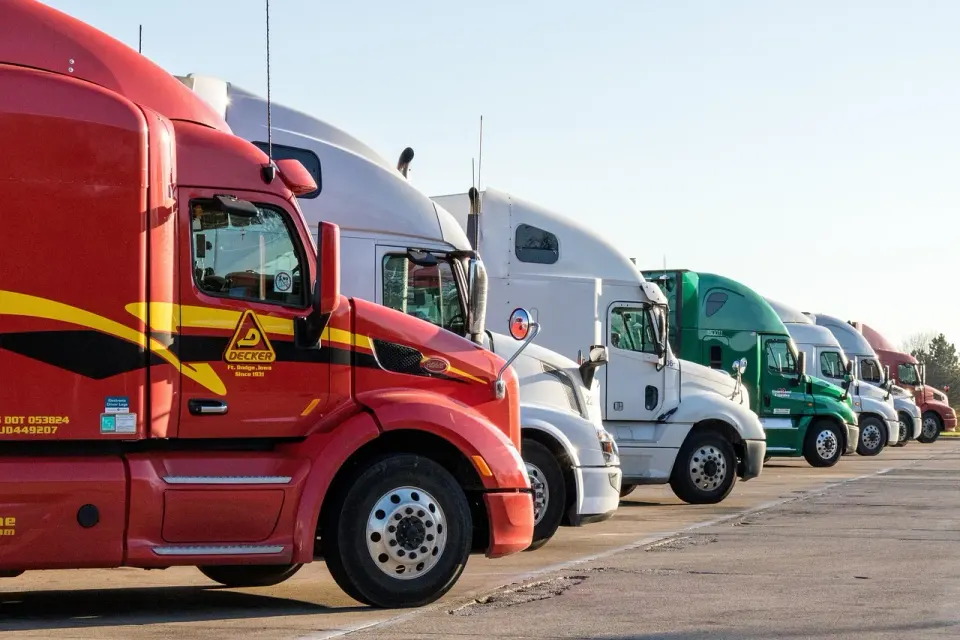
Carriers say they follow that trend. Maersk attributes its November increase to a 13-week average diesel price that rose by more than $0.10 a gallon. The rise affects trucking, drayage, depot and first-mile moves, according to Container News on Maersk's inland fuel surcharge.
The big picture is simple. Ocean rates are one cost, and fuel add-ons are another. A cheap base rate with heavy add-ons can end up costing more than a higher all-in price.
What is a bunker surcharge and who charges it?
A bunker surcharge is a per-container charge that covers a carrier's ship fuel (bunker) costs. Carriers adjust it as fuel prices change. It sits on top of the base ocean rate and usually appears as its own line on a quote or invoice.
Ocean Network Express (ONE) is a clear example. According to a Portcast carrier advisory on the ONE Bunker Surcharge, the carrier revised its tariff for October 1 through December 31, 2026. The rates per container are in the table below.
| Trade lane | Dry container | Reefer container |
|---|---|---|
| Asia to Europe and the Mediterranean | $735 | $1,103 |
| Asia to North America, eastbound | $1,035 | $1,553 |
Check whether your forwarder's quote already includes this line. Some quote a bundled all-in rate, and others show bunker as a separate item that appears only on the final invoice.
How do inland fuel charges work in the U.S.?
Inland fuel charges apply only when the carrier arranges the truck or rail move, a setup called carrier haulage. They do not apply when you or your trucker book the move yourself, which is merchant haulage. TradLinx, a freight data firm, makes that distinction in its comparison of carrier inland fuel surcharges.
That gives you a choice. If a carrier's inland add-ons look heavy, ask your forwarder to price merchant haulage for the same box. The base cost may differ, but you will not pay the carrier's fuel line.
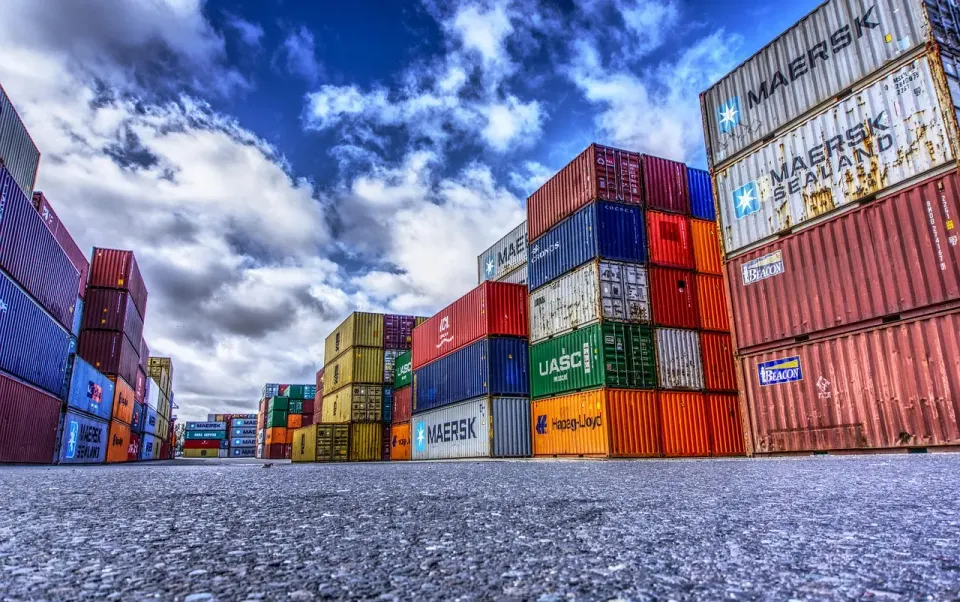
Maersk's rule is the example to know. Its $215 charge applies to cargo under a Maersk ocean bill of lading where Maersk arranges trucking to or from the customer's door in the U.S. It uses the Price Calculation Date, so shipments priced on or after November 1 pay the higher rate. It appears as a separate IFS or EFS line on the bill of lading.
Which carriers charge what?
Carriers use different formulas, and that makes comparison hard. TradLinx listed these figures as of September 23, 2026, so confirm each one before you rely on it:
- Maersk charged a $140 truck fuel surcharge, now rising to $215, plus an intermodal emergency charge of $200 on dry imports.
- CMA CGM's OCA17 import charge ran from $100 to $345, depending on delivery type and inland mode.
- Hapag-Lloyd's emergency fuel charge rose on October 1 to $64 for truck or waterway, $96 for rail and $160 for combined rail.
- Seaboard Marine charged a percentage, 54.50% from September 27 and 57.50% from October 11.
The patterns matter more than the exact figures. Some carriers charge by inland mode, so a rail leg can raise the cost. Others use a flat amount that changes only when a notice is published. Seaboard's percentage resets automatically but with a delay.
Why can't I find the fuel line on my invoice?
Labels change. TradLinx points out that Maersk's intermodal charge no longer says "fuel." On invoices it appears as "Emergency Operational Cost Recovery" for imports and "Emergency Operational Cost Exports" for exports. A search for "fuel" will miss it.
Search for "emergency," "recovery," "bunker" and "inland" as well. Then match each line to a carrier notice. If you cannot match a charge to a published notice, ask for it in writing.

Our editors at Eastern Plays found that the cleanest way to catch mistakes is to keep one sheet per carrier. List each charge, its notice date and the date you were priced. A short sheet beats a long email thread when you dispute a bill.
A five-step quote check
Use this routine when you compare two forwarders or two carriers. It takes about fifteen minutes per quote:
- Ask whether the quote is all-in, and list every surcharge by name.
- Confirm the Price Calculation Date, because that date sets which rate applies.
- Ask whether the inland leg is carrier haulage or merchant haulage.
- Check the bunker line against the carrier's current tariff notice.
- Get the answer in writing and keep it with the booking.
Pricing dates deserve special care in the next few weeks. A box booked in October but priced in November may pick up the new Maersk rate. When a revision lands, sort your open bookings by the pricing date named in the notice.
A worked example with round numbers
Suppose you ship one 40-foot dry container from Asia to a U.S. inland warehouse. The ocean leg carries a $1,035 bunker charge, and the carrier arranges delivery to your door. That delivery adds a $215 inland fuel line, plus any intermodal charge if the box rides on rail.
Those two fuel-related lines alone come to $1,250 before the base rate, port fees or duties. If your forwarder quoted you a base rate only, you would be $1,250 short on the real cost. That is the kind of gap that wrecks a margin on a low-priced product.
Now compare a second quote that bundles the same charges into one all-in number. It may look higher at first glance. It may also be the honest one. Compare totals, not headlines.
What this does to landed cost
A surcharge on one container is small against a full cargo. On a cheap product, it is not. A $215 charge on a box of low-value goods adds a few cents per unit. On a half-empty box it adds a lot more.
Roll fuel add-ons into your landed cost model instead of treating them as noise. Our guide to container freight rates after Golden Week shows how to build that budget. Our look at China ship fees in November covers another charge that can land on the same invoice.
Duties and fees sit beside freight in the same total. See our explainer on customs user fees for FY2027 for the government side of landed cost.
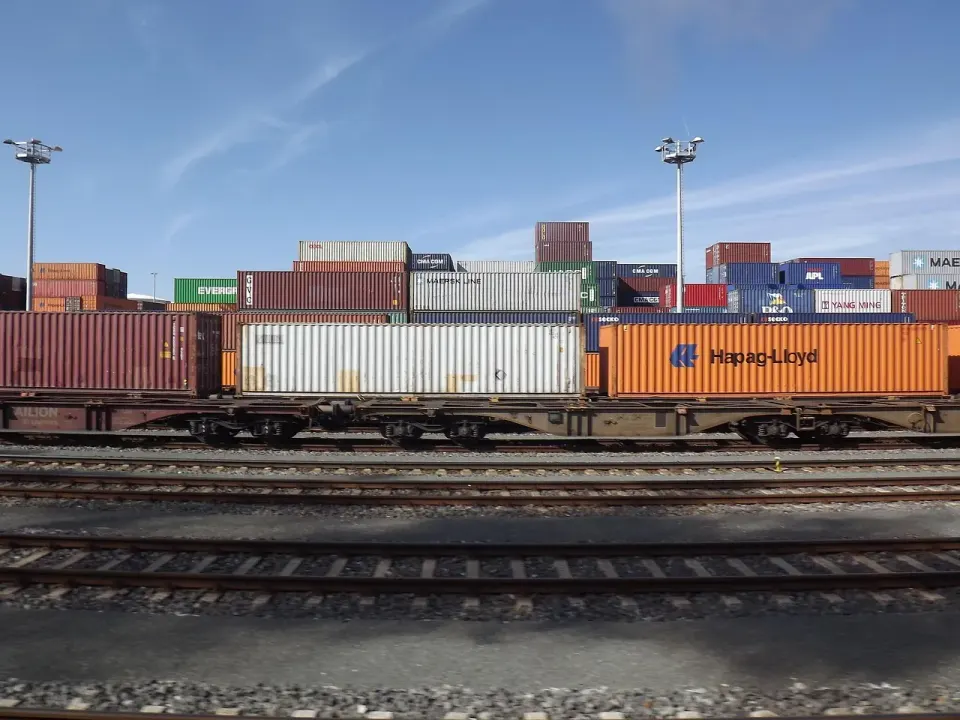
One more habit pays off. Ask your forwarder each month whether any carrier notice changed a charge you are paying. Carriers publish revisions with short lead times, and a quick check every four weeks keeps your landed cost model close to what you will actually be billed.
If a charge looks wrong
Ask the carrier or forwarder to point to the notice that authorizes it. If they cannot, dispute it in writing before you pay. Our guide on how to check and dispute detention and demurrage invoices walks through that process for a related set of charges.
The Federal Maritime Commission (FMC) also publishes a final rule on detention and demurrage billing practices and runs a charge complaint process. Its website lists both. Those rules cover billing practices for detention and demurrage, not fuel surcharges, so do not assume they cover every dispute.
What we cannot tell you
Surcharges can change at short notice, and some details above come from trade-press and data-firm summaries, not the carriers' own tariff pages. Confirm current amounts and pricing dates with each carrier and your service contract. This is general information, not a quote or legal advice.
Conclusion
Fuel is now one of the biggest moving parts in a freight quote. Diesel is above $6 a gallon, carriers are raising inland charges and bunker surcharges are high. The way to stay in control is to ask for all-in pricing and to know which charge belongs to which move.
Your next step is small. Pull your last two freight invoices, list every fuel-related line and match each one to a carrier notice.