Suez Return: How Gemini's Route Shift Changes Asia-Europe Lead Times
Maersk and Hapag-Lloyd are sending more Gemini services back through Suez. Here is what changes for importers, and what to keep on the slower timeline.
In this piece 10 sections
Maersk and Hapag-Lloyd are moving more Gemini Cooperation services back through the Suez Canal, with the Asia-Mediterranean service AE12 starting October 27. The move could shorten Asia-to-Europe transits compared with the Cape of Good Hope detour. It is gradual and reversible, so importers should plan for both outcomes.
If you buy from factories in China, Vietnam or Malaysia and ship to Europe, this affects your purchase order calendar. A shorter route sounds like good news. It becomes a problem if you plan around it and the carrier reroutes mid-voyage.
Eastern Plays covers shipping, customs, sourcing and quality control for Western businesses that buy from Asia. This guide explains what has actually changed, what has not, and how to adjust your lead times without betting on one routing.
What Did Maersk and Hapag-Lloyd Announce?
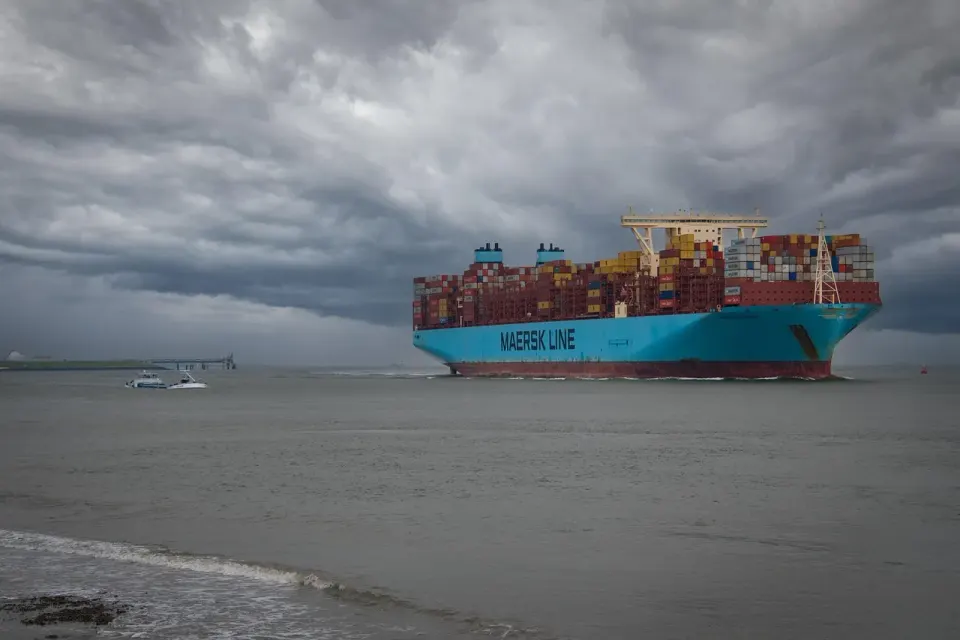
On September 14, 2026, the two carriers said four Gemini services would transit the Suez Canal in both directions. As gCaptain reported, the services are AE5 (Asia to Northern Europe), AE11 and AE12 (Asia to the Mediterranean) and ME2 (India to Europe). They join AE15 and AE19, which already use the canal.
Since late 2023, attacks by Houthi forces pushed most big container lines onto the longer Cape route and sharply cut Suez traffic. The United Nations Conference on Trade and Development (UNCTAD) said in its 2025 Review of Maritime Transport that the Suez Canal was operating about 70% below its 2023 tonnage. Ships that once crossed in days now sail for weeks around Africa.
Maersk framed the decision around safety. Its statement said, "The safety of the crew, the vessels, and customers' cargo remains the highest priority." The carrier also said the Suez route is the fastest and most sustainable option.
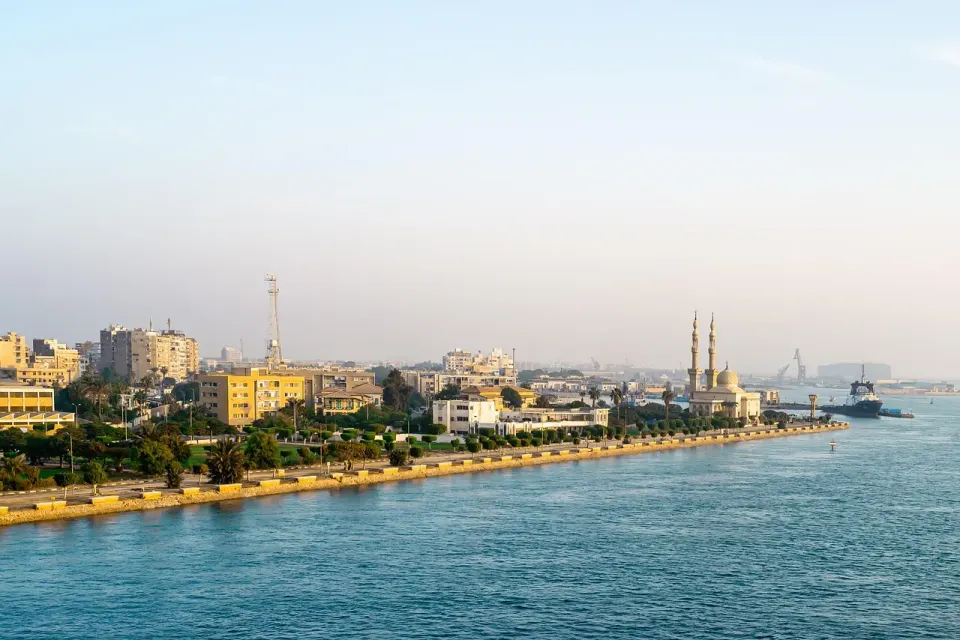
Which Services Return to Suez and When?
The first sailings came in stages. The table below lists the dates reported so far. Hapag-Lloyd uses different service codes, so AE12 at Maersk is SE1 at Hapag-Lloyd.
| Service | Trade | First westbound Suez sailing |
|---|---|---|
| AE11 | Asia to Mediterranean | September 19 (Antonia Maersk, from Tanjung Pelepas) |
| AE5 | Asia to Northern Europe | September 21 (Marchen Maersk) |
| ME2 | India to Europe | September 24 (Cornelia Maersk) |
| AE12 / SE1 | Asia to Mediterranean | October 27 (Umm Qarn, from Tanjung Pelepas) |
Container News reported on September 28 that the Umm Qarn will make the first SE1 westbound Suez transit on voyage 642W. The eastbound voyage, 649E, leaves Algeciras on December 5. Sources differ on a few voyage numbers, so confirm any sailing against the carrier's own advisory.
Two earlier services show the pattern. AE15 returned to the canal over the summer and later added a call at Jeddah, which puts it directly inside the Red Sea. AE19 followed in August. Watching how those services perform gives you real evidence, which is worth more than a press release.
If you ship from Southeast Asia, note that several of these sailings load at Tanjung Pelepas in Malaysia. Cargo from southern China or Vietnam often reaches that hub by feeder vessel first. A late feeder can miss the mainline sailing, so confirm your connection cut-off dates.
How Much Time Could Importers Save?
The carriers have not published a day count. Maersk says the Suez route cuts transit time compared with the Cape, but gives no figure. Industry estimates commonly put the Cape detour at roughly one to two weeks for Asia-Europe cargo, though the exact gain depends on the service and its port rotation.
Treat any saving as a possible range, not a promise. A vessel that loads late, waits for a naval escort or reroutes can lose the advantage. Fast-moving freight planning belongs in a buffer, not in a calendar with no slack.
Our guide to container freight rates from China after Golden Week shows how to budget landed cost when transit and rates both move. Use it alongside this article when you set next quarter's order sizes.
Why Is the Return Gradual and Conditional?
Because the security picture is still unsettled. According to gCaptain, Iran-aligned Houthi forces have expanded their presence along Yemen's Red Sea coast and around Bab el-Mandeb, and Iran continues to restrict shipping through the Strait of Hormuz. Maersk and Hapag-Lloyd said they will adjust the Gemini network depending on continued stability and no further escalation.
Hapag-Lloyd described its approach as "gradual" and "service-specific." Each transit goes through a security assessment and sails under naval protection. The carrier said the move is not a full return of the network to the Red Sea.
That language matters to a buyer. It means the carrier can switch a service back to the Cape at short notice. A cargo owner who booked on a Suez schedule could face a longer voyage than the quote assumed.
Will Freight Rates Fall When Ships Return to Suez?
Not necessarily, and not quickly. Nothing in the carrier announcements discusses rates or capacity. When more vessels run shorter routes, capacity tends to loosen over time, but carriers can also adjust sailings to hold prices.
Peak-season surcharges, blank sailings and congestion at European ports can offset the savings. Ask your forwarder for the all-in rate per container on the specific routing you are booking. Quotes that assume a market-wide drop are guesses.
Also check the fine print on equipment and storage charges. If a vessel arrives earlier than planned, free time at the terminal may start before your trucker or warehouse is ready. Review how to check and dispute detention and demurrage invoices before the first early arrival catches you off guard.
How Should You Read Your Booking Confirmation?
Look for three details on every booking: the service code, the vessel and voyage number, and the stated routing. A booking that names AE12 or SE1 on voyage 642W is a different animal from one that names a Cape-routed service. If the document lists only a port-to-port ETA, ask which route the ETA assumes.
Ask your forwarder to flag any routing change in writing. A change of route can shift your arrival by days and alter your insurance terms. A written notice also gives you a record if you need to claim a late-delivery penalty from your customer.
This is a basic check, but it prevents the most common mistake. Buyers see "Suez" in the news, assume every booking is faster, and then discover the carrier used the old route.
What Should You Change in Your Purchase Order Calendar?
Change nothing permanent yet. Run two timelines side by side, one for the Suez routing and one for the Cape. Plan inventory to the slower timeline and treat the faster one as upside.
- List your open orders by destination port and carrier service.
- Ask your forwarder which orders are booked on Suez-routed services.
- Keep your current safety stock until three sailings in a row arrive on time.
- Set a second ship-by date for orders that depend on a fixed arrival, such as a holiday launch.
- Tell your factory about any earlier cargo cutoff before you promise one to your customer.
The holiday calendar adds pressure. Lunar New Year falls on February 6, 2027, and factories close for one to three weeks. Read our Chinese New Year 2027 production and inspection timeline to line up your orders before the shutdown.
What About Insurance and Delivery Terms?
Insurers often treat the Red Sea as a high-risk area and may charge an extra war-risk premium for transits. Check your cargo policy before you accept a Suez-routed booking. Some policies exclude war risks unless you add them.
Your delivery terms matter too. Under terms where the seller arranges and pays for the main carriage, the seller picks the route. Under terms where you control the freight, the choice and the risk are yours. Know which one your contract uses.
At Eastern Plays, our editors suggest asking for the routing in writing even when the seller controls it. A line in the purchase order that requires notice of a route change costs nothing. It can save a week of confusion later.

What Mistakes Should Importers Avoid?
The first mistake is reading a headline as a schedule. A carrier's plan for one service does not describe the whole market. Another carrier on the same lane may still route around Africa.
The second is cutting buffers too soon. A shipment that arrives a week early costs little, but one that arrives a week late can cost a sales season. Keep your slack until you have a track record.
The third is skipping the factory side. A shorter ocean leg does not make production faster. Delays at the factory or at the inspection stage still decide when the cargo can leave Asia.
Conclusion
Maersk and Hapag-Lloyd are moving Gemini services back to Suez in steps, with AE12 starting October 27. The shift may cut transit times, but it is conditional and can reverse. Plan inventory to the slower Cape timeline, and treat Suez savings as a bonus.
This week, ask your forwarder which of your open bookings use a Suez-routed service. Then confirm the routing on every new booking in writing.