Ocean Freight Contracts for 2027: What Asia Importers Should Lock In
Spot rates may fall in 2027, but surcharges and route risk can erase the savings. Here is how to structure contract and spot volume from Asia.
In this piece 6 sections
Treat your 2027 ocean freight contract as a hedge, not a bet. Xeneta forecasts that spot rates could fall 30% and contract rates 5% against the third quarter of 2026, but fuel surcharges and route risk can erase those savings. Fix the base rate, cap the surcharges, and keep part of your volume on the spot market.
This article is for importers, sourcing managers and small brand owners who ship containers from China and Southeast Asia to the United States. It explains what the rate forecasts say, where the real costs hide in a contract, and how to split volume this winter. Eastern Plays follows freight because a quote is only as useful as the terms behind it.
What do 2027 ocean freight contract forecasts actually say?
The forecasts point to cheaper ocean freight, but not a cheap or calm year. In its latest outlook, reported by FreightWaves on the Xeneta forecast, Xeneta projects global spot rates down 30% in 2027 and long-term contract rates down 5%. Both figures compare full-year 2027 averages with the third quarter of 2026.
Two forces drive the call. The global container fleet is forecast to grow 6.8% in 2027, while demand rises between 2.5% and 4%. At the same time, carriers are sending more ships back through the Red Sea and Suez Canal. Shorter voyages need fewer vessels, which frees capacity for other lanes.
The starting point is high. Xeneta says Asia-U.S. West Coast spot rates in October were 343% above their level on February 28, just before the Middle East crisis began. They still sat 14% below the pandemic record. A 30% fall from a very elevated base is relief, but it is not a return to old prices.
There is also a clear counterpoint. Xeneta lists three straight years in which a disruption overturned the expected softening: the Red Sea escalation in 2024, U.S. tariffs in 2025 and the Middle East conflict in 2026. A forecast is a planning input. It is not a promise, and your contract should survive being wrong.
Should importers choose spot or contract rates this winter?

Most importers should not choose one. A split gives you a guaranteed floor on volume and a chance to benefit if the market falls. The right mix depends on how steady your monthly shipments are and how much a missed container costs your business.
Early November data shows why timing matters. Per FreightWaves reporting on November rate hikes, carriers sought increases of $2,000 to $3,000 per forty-foot container (FEU) even as the long peak season faded. An analyst put Asia-U.S. East Coast rates at about $9,900 per FEU and West Coast rates near $8,300. Carriers also wanted firm spot prices during annual contract tendering, because those prices guide the negotiations.
Freight Right's weekly market note describes a softer mid-November picture. Published benchmark rates still sat near $8,000 for the East Coast, yet almost no cargo booked at that level because carriers offered discounts. It also said carriers may try to raise rates in January, ahead of Lunar New Year demand. Posted rates and bookable rates can differ by thousands of dollars, so ask every forwarder for both.
Use this simple split as a starting point:
- Contract 50% to 70% of steady, predictable volume with a named carrier.
- Keep 20% to 30% on spot to capture any 2027 decline.
- Hold a small reserve with a second forwarder for sudden space shortages.
Read the volume commitment closely. Some contracts require a minimum number of containers each quarter and charge a shortfall if you fall below it. Ask what counts toward the minimum, whether it can be shared across ports of origin, and whether a carrier's cancelled sailings reduce your obligation.
Steady sellers with thin margins lean toward the high end of the contract share. Importers with seasonal or uncertain volume should lean toward spot and a shorter contract term. Neither group should sign a deal that penalizes them heavily for shipping less than the committed volume.
Which fuel surcharge terms belong in the contract?
The fuel clause deserves more attention than the base rate. Xeneta reports that average fuel surcharges on long-term contracts across four major Asia trades rose 42% to $820 per FEU. It also says Singapore high-sulphur bunker fuel prices climbed 107% since February 27. A cheap base rate can hide a surcharge that moves every month.
Fuel rules are also a legal area. In its Federal Maritime Commission statement on Hormuz surcharges, the agency notes that common carriers must allow at least 30 days between publishing and applying a tariff change that raises costs to shippers. A carrier can ask the Commission for special permission to shorten that window, and the Commission votes on each request.
The same statement says that if a service contract incorporates part of a carrier's published tariff, the rates and charges apply as of the effective date when the carrier receives the cargo. It also reminds shippers that filing suit in court is the exclusive remedy for breach of a service contract, unless both sides agree to another dispute forum. Read your contract's dispute clause before you need it.
A quick worked example shows the stakes. The $820 average surcharge implies roughly $580 before the 42% rise. An importer shipping 10 containers a month would now pay about $2,400 more each month for fuel alone, before any change in the base rate. Over a year, that adds up to about $29,000.
Ask your forwarder or carrier to put these terms in writing:
- A fixed all-in base rate, with each surcharge listed by name.
- A cap on any emergency or fuel surcharge, with the formula shown.
- A sunset date or trigger that ends the surcharge when fuel prices ease.
- A statement that the effective date follows the tariff notice period.
- Equal treatment if the carrier rolls your cargo to a later sailing.
A carrier may refuse some of these. Ask anyway, and compare offers on all-in cost per container, not the headline rate. Our guide to checking and disputing detention and demurrage invoices covers the charges that arrive after the quote.
How do route changes and reliability affect the Asia to U.S. quote?

Lower rates do not guarantee that your goods arrive on time. Xeneta reports that global on-time container arrivals fell to 27% in the third quarter of 2026. Delayed containers arrived an average of six days late. The firm expects improvement in the first half of 2027, but sees a ceiling around 40%.
The Red Sea return matters here. Weekly capacity crossing the Red Sea reached 467,297 TEUs in October, about half its pre-crisis level, and Xeneta estimates the shift has already released 599,000 TEUs of nominal capacity. Better headline performance can also reflect cancelled sailings or longer published transit times. For a view of one route shift, read our piece on how the Suez return changes Asia-Europe lead times.
East Coast shippers face another variable. Xeneta says the El Niño cycle raises concerns about Panama Canal water levels in the dry season at the start of 2027, and some carriers have already introduced Panama surcharges despite minimal restrictions. If you ship to Gulf or East Coast ports, ask whether such a charge applies to your contract.
Imbalance is a second risk. Xeneta says China now ships six laden containers out for every laden container it takes in, up from 3.3 in 2019. That gap absorbs capacity and could keep prices firm on busy routes even as the global average drops. Your lane may not follow the headline number.
Build slack into your own plan. Add a week to your lead time for ocean freight, and book earlier when the sailing matters to a launch or a retail date. A delayed container costs more than the saving from a cheaper, slower service.
What should importers do before Lunar New Year?
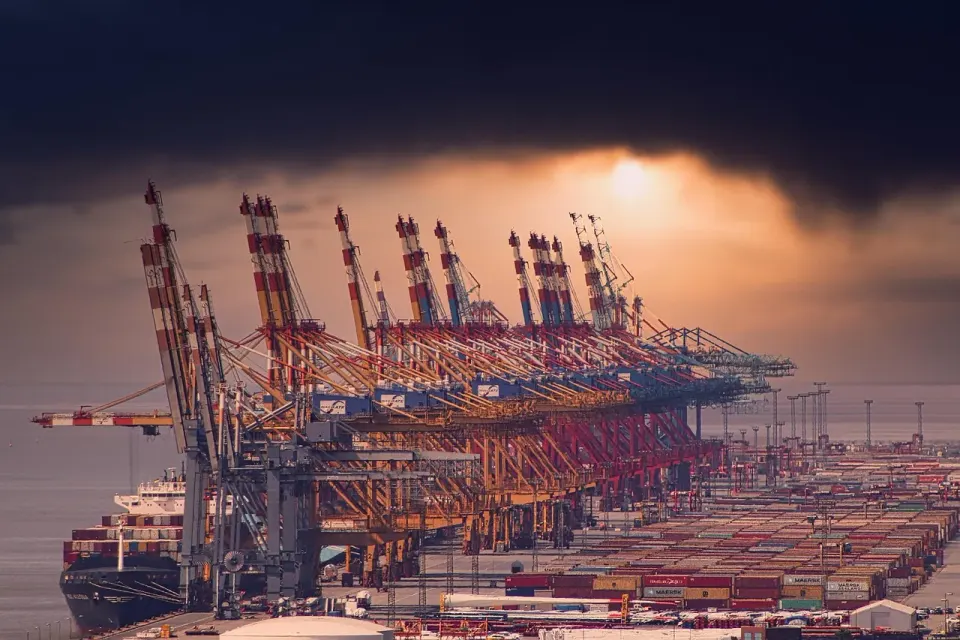
Set your freight plan before the pre-holiday rush, because carriers tend to defend rates when cargo returns. Start with your factory calendar, then work backward to a cargo-ready date. Our guide to Chinese New Year 2027 factory shutdown dates and order deadlines explains how to set those dates with suppliers.
Work through these steps in order:
- Pull 12 months of shipments and find your steady monthly volume.
- Ask two forwarders for posted and bookable rates on each lane.
- Request all-in quotes with every surcharge named.
- Negotiate a surcharge cap and a sunset clause.
- Commit the steady share, and leave the rest on spot.
- Book January and February space early, with a backup sailing.
- Set a review date in the spring to reassess the split.
Watch for a labor risk at the West Coast ports too. In early November, reporting noted that talks over a possible watchmen's strike at Los Angeles and Long Beach had been extended while negotiations continued. Check the current status before you commit West Coast volume.
Conclusion
The 2027 forecast is good news with a catch. Rates may fall, yet fuel, routes and reliability can still add cost. Fix what you can, cap what you cannot, and keep some volume flexible. Eastern Plays editors suggest a review each quarter, since the market has surprised shippers three years running.
Next step: gather your last 12 months of bookings this week. Compare what you paid on contract and on spot, then ask your forwarder for an all-in quote with surcharge caps.