Foreign Importer of Record Rule Takes Effect January 5, 2027: CTPAT, Brokers and Your Imports
CBP's new rule changes who counts as a U.S. importer and who may file entries. Here is what buyers from Asia should check before January 5.
In this piece 8 sections
Starting January 5, 2027, a foreign importer of record must be validated under CTPAT, or must use a CTPAT-validated licensed customs broker, to enter most goods into the United States. Check who is listed as importer of record on every shipment, whether that party passes the new U.S. test, and whether your broker is validated.
Eastern Plays follows the customs rules that decide whether goods from Asia clear on time. This guide is for importers, sourcing managers and small business owners who buy from Asian suppliers, and it explains what the new rule changes, who it touches and what to check before the effective date.
What Did CBP Change on November 6, 2026?
On November 6, 2026, U.S. Customs and Border Protection (CBP) issued an interim final rule called Heightened Requirements for Foreign Importers of Record. It sets stricter tests for who counts as a U.S. importer, restricts how foreign importers make entry and adds broker duties. It takes effect January 5, 2027.
The rule is published in the November 6, 2026 Federal Register. Its stated authority is Executive Order 14411, Strengthening Customs Enforcement, issued in June 2026. Comments are due on the same January 5 date, so the final text could still change.
The Crowell & Moring summary points to CBP's CSMS message on the matter. It says the rule covers formal consumption entries and informal entries that need Forms 3461 or 7501. For importers, the practical point is simple: the party named on the entry now matters far more than it used to.
The rule has two aims. It tries to tighten who can act as importer of record, and it puts more checking duties on the brokers who file for them. Small buyers feel it mainly through slower onboarding and more questions from their broker in the first months.
Who Counts as a U.S. Importer of Record Now?
A U.S. importer of record is a U.S. citizen, a lawful permanent resident, or a company that meets three tests. It must be organized under U.S. law, located in the United States, and either majority-owned and controlled by U.S. citizens or residents, or the direct owner of significant unencumbered U.S. real property.
The ownership test uses a threshold of at least 51% of beneficial owners who are U.S. citizens or lawful permanent residents and who control the entity. CBP looks through layers of corporate ownership to the people behind them. It treats a beneficial owner as someone with substantial control or at least 25% of the ownership interests, with some exclusions.
This changes an old habit. A U.S. address, an EIN or an incorporation certificate is no longer enough on its own. A U.S. subsidiary of a foreign company may now be classed as a foreign importer of record. CBP can verify location by looking at operations, physical presence, domestic assets, profitability and capitalization.
A small U.S. company owned and run by American citizens should expect to meet the first test. It still needs to be able to show it. Keep the formation papers, an ownership chart and proof of citizenship or residency in one folder, because your broker may ask for them.
Does This Affect Shipments From Your Asian Supplier?
It can, if the supplier or its agent is the importer of record. That happens when a seller ships on DDP terms and handles the U.S. entry itself, or when a trading company enters goods on your behalf. Under the new rule that party may be a foreign importer of record with CTPAT and broker obligations.

Many small buyers never think about this because the seller sorts out the paperwork. That arrangement now carries a risk. If the foreign party is not validated and has not named a validated broker, CBP can reject the entry and the goods stop moving.
Small parcels are not outside the picture. The rule reaches informal entry types 11, 12 and 13. It does not bar foreign importers from using informal entry, but the validated-party requirement still applies. Our guide to U.S. mail imports from Asia and the January 20, 2027 entry type 13 deadline covers the related timing for sellers who ship small orders by post.
Ask your suppliers three plain questions. Who is the importer of record on our shipments? Which broker files the entry? Is that broker CTPAT validated? A supplier who cannot answer clearly is a supplier to watch in January.
What Is the Difference Between CTPAT Certified and Validated?
Certification is the first step in the Customs Trade Partnership Against Terrorism (CTPAT) program, and validation comes after it. The new rule requires validation. A company that holds only an initial certification does not meet the requirement, so ask for proof of validated status, not a logo.
A foreign importer of record that is itself CTPAT validated may file on its own or hire any licensed broker. One that is not validated must designate a CTPAT-validated licensed broker to make entry or act as importer. When a broker acts as importer for a principal that would be foreign, that broker must also be validated.
At Eastern Plays, we advise buyers to get the status in writing from the broker before the end of December. Do not rely on a sales call or a website badge. Ask for the broker's validated status and the date it was granted, then file the answer with your shipping records.
What New Data Will Appear on Your Entries?
Entry filings will carry three new data fields on importer status. They appear on CBP Forms 3461 and 7501 and their electronic versions. Your broker should explain each one, because a wrong answer can trigger a rejection or a closer look at the shipment.
| Field | What it tells CBP | Who answers it |
|---|---|---|
| U.S. Importer of Record | Yes or no on whether the importer meets the U.S. test | Filer, based on the importer or principal |
| Acting on behalf of | Whether a broker is both filer and importer for a principal | Broker |
| Principal on Power of Attorney | The principal's importer number, where required | Broker, linked to Form 5106 |
The broker's own U.S. status is not a substitute for judging the principal. Expect your broker to ask for more information than before. Answer fast, because a missing document can hold a booking.
What Happens if an Importer Declaration Is Wrong?
An inaccurate U.S. importer declaration can lead CBP to require a live entry. That means you pay estimated duties, taxes and fees before the goods are released, and CBP may also end immediate delivery privileges. For a small importer, that is both a cash hit and a delay.

Brokers face tougher duties as well. Before declaring a client a U.S. importer, a broker must request and review supporting records. These may include citizenship or residency papers, corporate charters, financial records, purchase receipts and title documents. The broker must keep the verification records for five years.
Brokers can ask for delayed compliance with the new verification step if they apply by January 5, 2027, but approval is not automatic. CBP expects full broker compliance by May 6, 2027. That relief does not delay the foreign importer CTPAT rule or the new filing requirements, so do not plan around it.
Which Dates Matter for Your Planning?
Three dates matter in the next six months. The rule starts January 5, 2027, and comments are due that day. Broker verification must be fully in place by May 6, 2027. Other deadlines land in the same weeks, so plan them together.

January is already crowded. Our guide to the Section 301 exclusions that run to January 9, 2027 explains the tariff deadline that falls four days later. The China export control pause that ends January 10, 2027 adds a third supplier question to the same month.
The result is a heavy first fortnight of the year. Shipments near these dates carry extra paperwork and extra risk. Moving your key bookings away from the crunch is cheaper than paying for a rejected entry.
How Should You Prepare Before January 5?
Prepare by working through a short list in this order. Each step is small, and together they remove most of the risk before the rule starts. Do them in December, not in the first week of the new year.
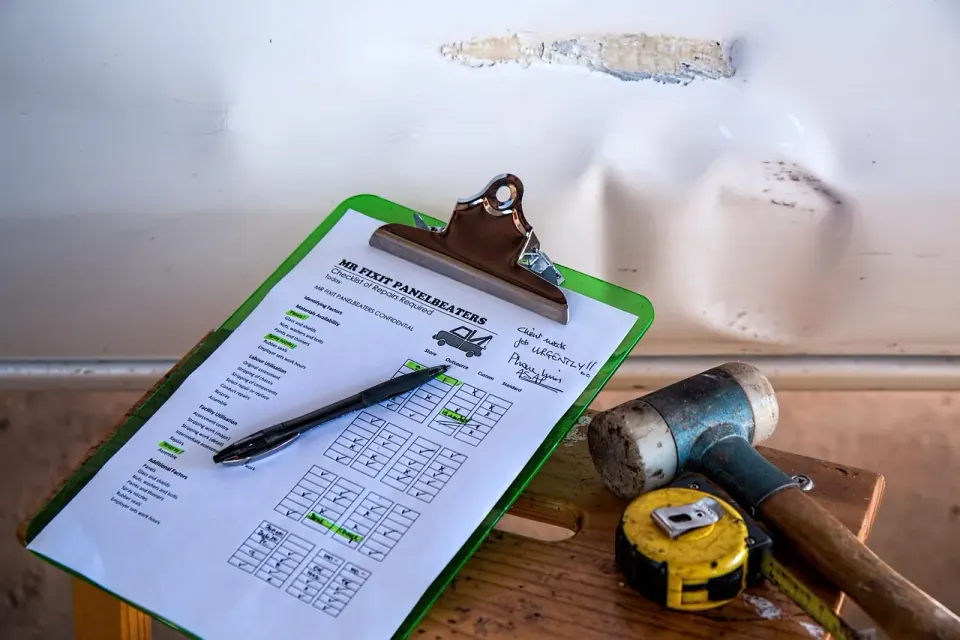
- List every shipping lane and name the importer of record on each one.
- Decide whether each importer passes the U.S. test, using the ownership and location rules above.
- Ask each broker for written proof of CTPAT validation, not just certification.
- Gather formation papers, an ownership chart and proof of citizenship or residency.
- Check with software providers that the three new entry fields will be filled correctly.
- Ask suppliers on DDP terms to confirm in writing who files the entry and through which broker.
The bottom line is simple. Know who your importer of record is, know whether that party passes the test, and know whether the broker behind it is validated. Buyers who settle those three facts in December will spend January moving goods instead of fixing rejected entries.
This guide reflects the rule as published on November 6, 2026, and the details may change after public comment. It is general information, not legal advice. Confirm your specific status with a licensed customs broker or a trade attorney before you rely on any step here.