Typhoon Season Sourcing Plan: How Importers Protect Orders From Asia in 2026
Storm closures at Shanghai and Ningbo are still rippling through Q4 schedules. Here is how to write typhoon risk into your orders, buffers and insurance.
In this piece 6 sections
A typhoon sourcing plan has four parts: purchase order clauses that set what happens when a storm closes a port or factory, buffer stock for your best sellers, cargo insurance that covers delay-adjacent loss, and a booking calendar that avoids storm peaks. Write these terms before you pay a deposit, not after a closure.
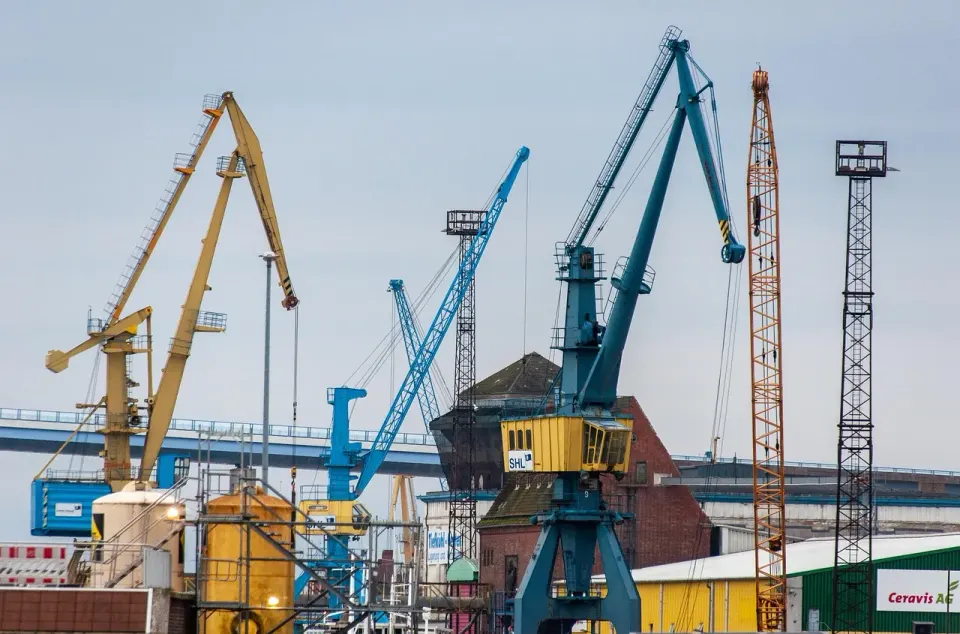
Typhoon season is not new, but its effect on importers got sharper this year. A super typhoon halted operations at the Ningbo and Zhoushan port complex in August, and Shanghai-area ports closed from July 11 to 13. Backlogs from those events are still working through schedules.
This guide is for importers, sourcing managers and small business owners who buy from factories in China, Vietnam and the Philippines. It shows how to write storm risk into your contracts and calendar, so a closure costs you days instead of a quarter. Eastern Plays covers sourcing, shipping and quality control for Western businesses working in Asia, and weather is one of the few risks you can price in advance.
What Typhoons Did to Asian Ports and Factories This Year

The Maritime Executive reported on August 7 that China's main ports were suspending operations as Typhoon Dolphin approached. The Zhoushan and Ningbo complex stopped work, more than 160 ferry routes were suspended and ships were barred from the Yangtze River and delta. The article notes that a suspension of even a few days creates large backlogs, because Shanghai handled a record 203,881 TEU on August 1 alone. A TEU is one twenty-foot container.
The effects have lasted. Dimerco's October Asia Pacific freight report says typhoon backlogs are congesting Shanghai and Ningbo, and that on-time performance at Shanghai has fallen to 21%. Yantian has an intake cap that limits empty container releases. Carriers are also announcing blank sailings, which are cancelled voyages, on much shorter notice around Golden Week. Tradlinx notes that carriers use blank sailings and allocation controls to manage effective capacity.
For a buyer, the lesson is simple. A storm is not a one-week problem. The closure, the backlog and the rollover of cargo to later sailings can add up to three or four weeks on a single order.
Which Purchase Order Clauses Handle Storm Delays?

Add three clauses to every purchase order: a force majeure definition, a notice duty and a remedy. A force majeure clause says what events excuse a late delivery. A notice duty forces the supplier to tell you quickly. A remedy says what you can do, such as extend the date, cancel or split shipment.
Many factory contracts copy a boilerplate force majeure line that lists "natural disasters" and stops there. That wording is too loose. A supplier can then claim a typhoon three weeks before shipment excuses a delay that was really caused by poor planning. Define the trigger more tightly.
Use these terms as a starting point, and have a lawyer review them for your jurisdiction:
- Name the events that qualify, such as a named typhoon warning in the factory's province or an official port closure.
- Require written notice within 48 hours of the event, with photos and a revised production plan.
- Set a maximum extension, such as 14 days, after which you can cancel without penalty.
- State that the deposit is refundable or creditable if you cancel under the clause.
- Keep late-shipment penalties for delays that began before the storm.
The last term matters most. At Eastern Plays, our editors suggest dating every production milestone in the purchase order, so you can tell a storm delay from a delay that was already underway.
How Much Buffer Stock Do You Need Before Q4 Ends?
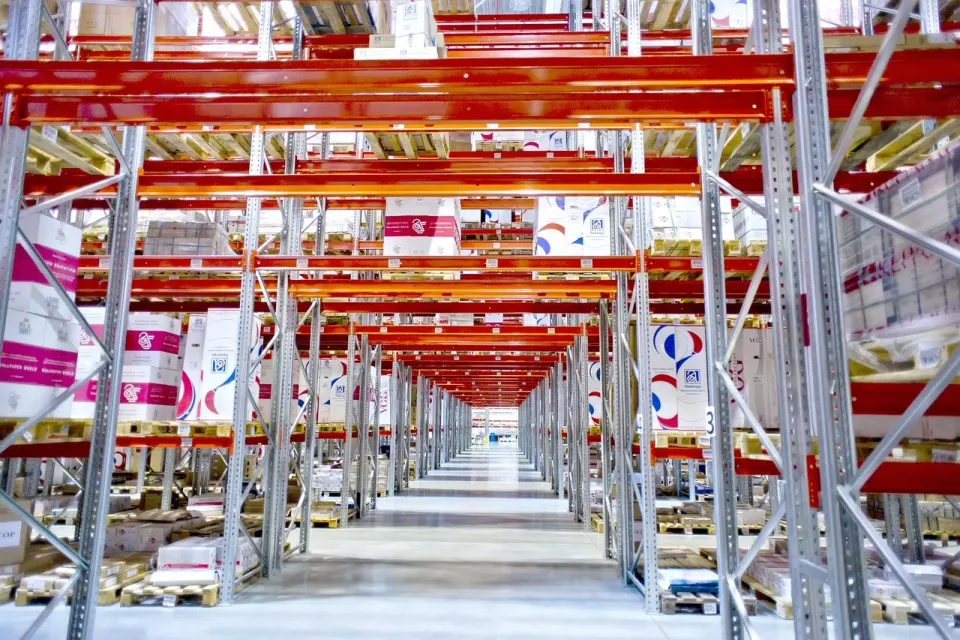
Hold enough buffer stock to cover your longest realistic delay for your best-selling products. For most importers, that means four to six weeks of sales for the top three SKUs, not the whole catalog. Buffer stock ties up cash, so spend it only where a stockout costs more than storage.
Here is a simple way to size it. Take your weekly sales of a SKU, multiply by the number of weeks of delay you could face, and compare the result with your storage and carrying costs. If a stockout would cost you a retail slot or a marketplace ranking, the buffer pays for itself.
Check how storm delays interact with your other deadlines. Our guide to the Chinese New Year 2027 production and inspection timeline shows how a late October slip can push an order into the holiday shutdown. A typhoon delay in November may turn a January shipment into a March one.
Splitting an order also helps. Ship 60% on the first sailing and 40% on the next. If one vessel rolls, you still have stock on the water. The extra booking fee is small compared with a missed season.
Booking Calendar and Freight Planning

Remember that factories close for storms even when ports stay open. Workers cannot commute through flooded roads, and power cuts stop production lines. In Vietnam, Typhoon Yagi in 2024 damaged factories and flooded warehouses in export hubs in the north, and some plants needed weeks to return to full output. Ask each supplier where its raw materials come from, since a storm that hits a component maker can stall your order even if the final factory is untouched.
Typhoon risk peaks from roughly July to October in most of the western Pacific, with storms continuing into November in the Philippines and southern Vietnam. That window overlaps with peak shipping season, which is why delays compound.
Build your booking calendar around three habits. Book space early, because blank sailings and short-notice cancellations remove capacity fast. Keep a second forwarder on file who can quote when your first one cannot. Watch the weather forecast for the origin port at least seven days before cargo cut-off.
Check the cost side too. Storm backlogs often produce detention and demurrage charges when containers sit at the port or when empty equipment is hard to return. Our guide on how to check and dispute detention and demurrage invoices explains what to ask for. The Federal Maritime Commission (FMC) publishes the rules for billing practices under the Ocean Shipping Reform Act of 2022, which can help when a carrier invoice looks wrong.
Fuel and surcharge changes can add to the confusion during a congested quarter. Our look at fuel surcharges on Q4 2026 freight quotes shows how to read each line item.
Does Cargo Insurance Cover Typhoon Delays?
Cargo insurance usually covers physical loss and damage, not delay. That surprises many small importers. If a storm sinks a ship or soaks a container, a marine cargo policy responds. If a storm only holds your goods at a port for three weeks, the policy usually pays nothing for the lost sales.
Ask your broker three questions. Does the policy cover all risks or only named perils? Does it cover goods while they sit in a port or warehouse before loading? Is there any cover for loss of market or delay, and if so, at what price? Many policies exclude delay, so you may have to accept that risk or negotiate for a different clause.
General average is another term worth knowing. When a vessel is in danger and cargo is thrown overboard to save it, every cargo owner shares the loss. Without insurance, you may have to post a deposit before the carrier releases your container. This is a general explanation, not legal advice.
After the Storm: A Short Checklist
When a named storm crosses your supplier's province, act quickly. Ask for a status report within 48 hours. Request photos of the factory floor, the warehouse and your finished goods. Confirm whether power and staff are back, and whether inbound materials have been delayed.
Then update your own schedule. Check the cargo cut-off, the vessel's new departure date and any rebooking cost. If your production slipped, request a revised inspection date. A quality check done on a rushed order is less reliable than a check done a few days later on a finished one.
Do not forget the paperwork. If goods were damaged, photograph them before anyone moves them and file a claim with the carrier and insurer within the stated deadline. Claim windows can be short, and missing one can void your right to recover. Keep the bill of lading, the commercial invoice and the packing list together in one folder.
Finally, write down what the storm cost. Record delay days, extra freight and lost sales. Next season, those numbers will tell you how much buffer and contract protection is worth the price. A storm plan only pays if you refine it each year.