Air Freight vs Ocean From Asia in Q4 2026: When Switching Pays Off
Ocean rates on some lanes are near pandemic highs and cargo is moving to air. Here is how to compare the true landed cost before you switch.
In this piece 6 sections
Air freight pays off when the product is light, valuable or urgent, and when ocean rates and delays erase the usual price gap. Compare the two by landed cost per unit, not freight cost per kilo. Include chargeable weight, port fees, inventory carrying cost and the cost of a stockout.
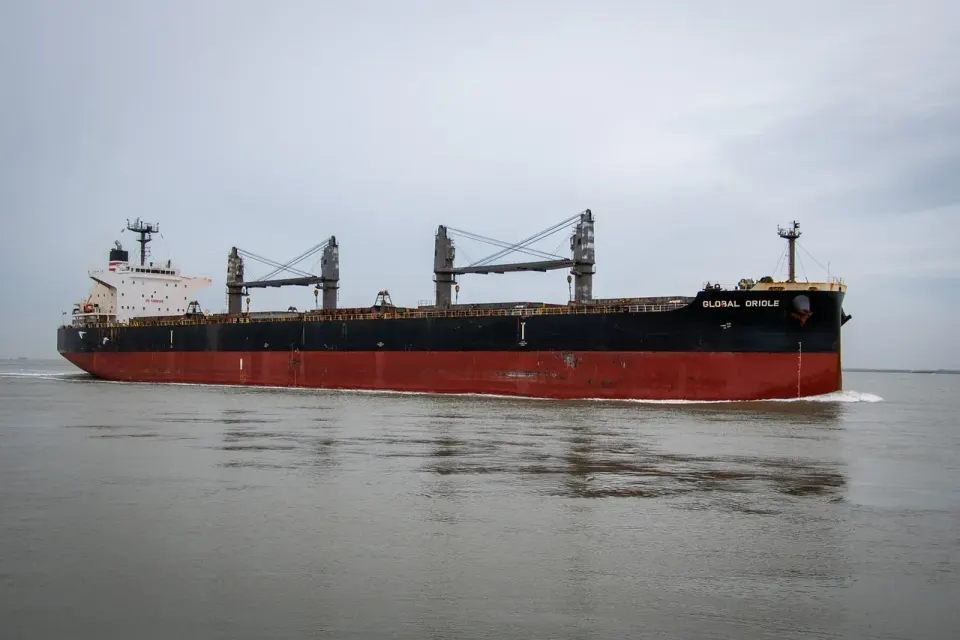
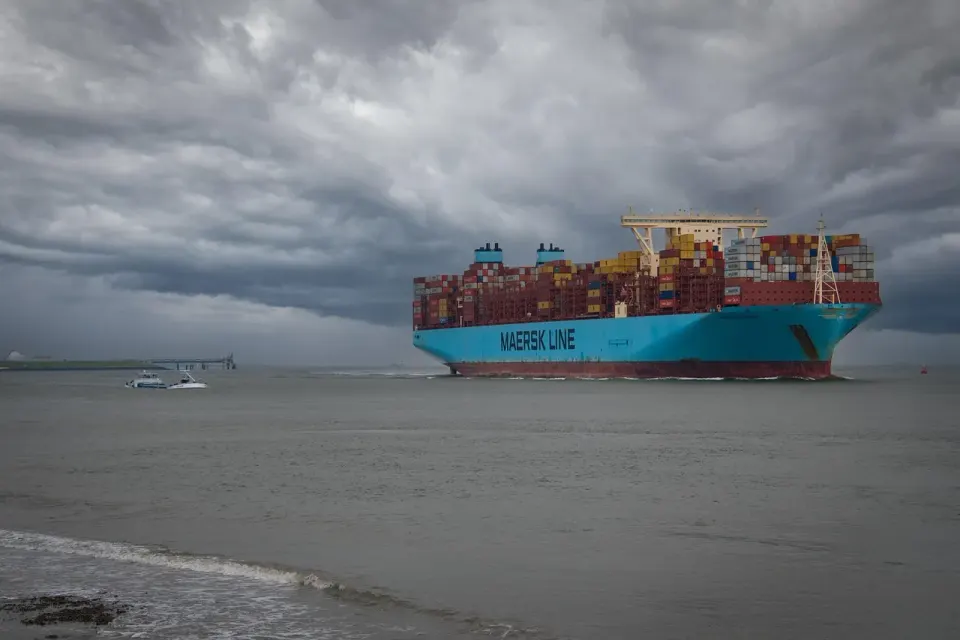
Ocean freight from Asia is usually the cheap option, and air is the fast one. In Q4 2026, the gap has narrowed on some lanes. Dimerco's October Asia Pacific report describes ocean rates as near-pandemic on certain routes and says that congestion is pushing more cargo from ocean to air on transpacific and intra-Asia lanes.
This guide is for importers who ship from China, Vietnam and other Asian origins and are deciding whether to move a purchase order to air. It shows how to price both options on equal terms, which products suit air and how to avoid the fees that catch first-time air shippers off guard. Eastern Plays covers shipping from Asia for Western businesses, and a switch of mode should be a calculated choice, not a panic response.
Why Some Importers Are Moving Cargo From Ocean to Air
The shift is driven by congestion more than demand. Dimerco's October 2026 Asia Pacific freight report says typhoon backlogs are congesting Shanghai and Ningbo, with on-time performance at Shanghai down to 21%. Yantian has an intake cap that limits empty container releases. Carriers are cancelling sailings with shorter notice around Golden Week.
Tradlinx reports that carriers are using blank sailings and allocation controls to manage capacity as transpacific rates near a peak. For shippers, this means the ocean quote you got last week may not hold, and the sailing you booked may roll to the next vessel.
Our guide on container freight rates from China after Golden Week shows how to build the ocean side of the comparison. Here we focus on the air side and the decision itself.
How Is Air Freight Priced? Chargeable Weight Explained

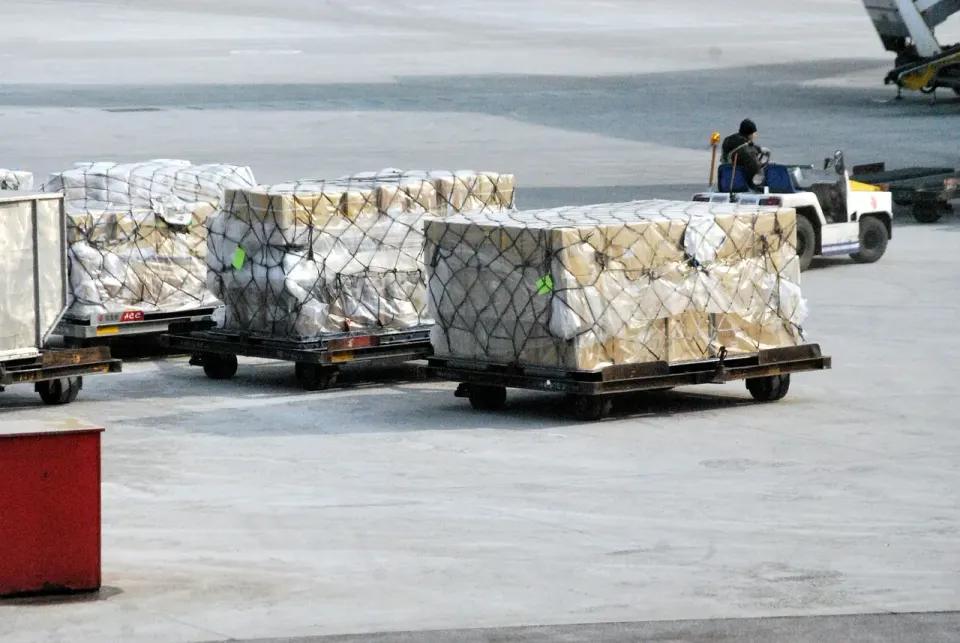
Air carriers bill on chargeable weight, which is the greater of the actual weight and the volumetric weight. Volumetric weight turns the size of a package into a notional weight. The standard conversion used across the air cargo industry is 6,000 cubic centimeters per kilogram, which means one cubic meter counts as about 167 kilograms.
The International Air Transport Association (IATA) sets the standards for the air cargo industry, and you can read more on its cargo programs page. Your forwarder will apply the same conversion to your quote.
Here is why this matters. A carton of pillows may weigh 5 kilograms but fill 0.06 cubic meters. Its volumetric weight is about 10 kilograms, so you pay for 10, not 5. A carton of metal fittings may weigh 25 kilograms and fill 0.02 cubic meters. Its volumetric weight is about 3 kilograms, so you pay for the actual 25.
Cartons that are barely full cost the same as full ones. Ask your supplier to use tight, right-sized packaging for any air portion, because trimming a few centimeters from each carton can cut chargeable weight.
Light and bulky goods are therefore a poor fit for air. Dense, compact goods are a better fit. Always ask your forwarder to show both the actual and volumetric weight on the quote.
Which Costs Differ Between Air and Ocean?

Air and ocean share some costs and differ in others. The duty you pay depends on the product, its value and its origin, not the mode of transport. The fees on top of the duty can differ, though, and the way each mode builds up the total is not the same.
| Cost item | Ocean freight | Air freight |
|---|---|---|
| Base rate | Per container or per cubic meter | Per chargeable kilogram |
| Fuel and security | Bunker and surcharges | Fuel and security surcharges per kilogram |
| Port or terminal fees | Origin and destination terminal charges | Airport handling and terminal fees |
| Harbor Maintenance Fee | 0.125% of cargo value | Does not apply |
| Demurrage and detention | Possible if containers sit | Storage charges if cargo sits |
| Transit time | Often several weeks door to door | Often days to about a week |
The Harbor Maintenance Fee is an ocean-only charge on imported cargo, described in the federal regulation on harbor maintenance fees. It is a small line for most orders, but it shows why the modes are not billed the same way. Check our guide to China ship fees for other ocean-side charges that could change your comparison. Customs fees apply to both modes, and our breakdown of FY2027 customs user fees and landed cost shows how the merchandise processing fee changes the total.
Do not forget the cost of money. Goods on a ship for five weeks are cash you cannot use. If your capital costs you 10% a year, a $50,000 order carries roughly $480 of financing cost over five weeks. Air shortens that window to a week or less. The saving is small on one order, but it adds up across a year of repeat orders.
When Does Air Freight Make Financial Sense?
Air makes sense when the extra freight cost is smaller than the money you protect or earn by arriving earlier. That usually means one of three cases. The product has high value per kilogram, the shipment is small, or the delay would cost you a sale you cannot make up.
Run this simple test for each SKU:
- Calculate landed cost per unit by ocean, including freight, duty, fees and carrying cost for the expected transit time.
- Calculate landed cost per unit by air, using chargeable weight.
- Subtract the two to get the extra cost of air per unit.
- Compare that with the unit's gross profit and with the profit lost if you run out of stock.
Here is an illustration with made-up numbers. A small electronics accessory costs $8 to make, sells for $30 and weighs 0.2 kilograms. Air freight adds about $1 per unit over ocean. A stockout would cost you $22 of gross profit per missed sale. Air wins easily. A bulky $12 storage bin with a $20 selling price might add $6 per unit by air. Air loses.
Many importers find that a small share of their catalog, often their top sellers and their newest launches, justifies air. The rest can stay on the water.
What Can Go Wrong With Air Freight?

Air has its own traps. The first is dangerous goods. Lithium batteries, aerosols and some liquids face strict rules. The Federal Aviation Administration (FAA) explains the limits on its lithium battery safety page. Products with batteries often need special packing and declarations, and some carriers refuse them.
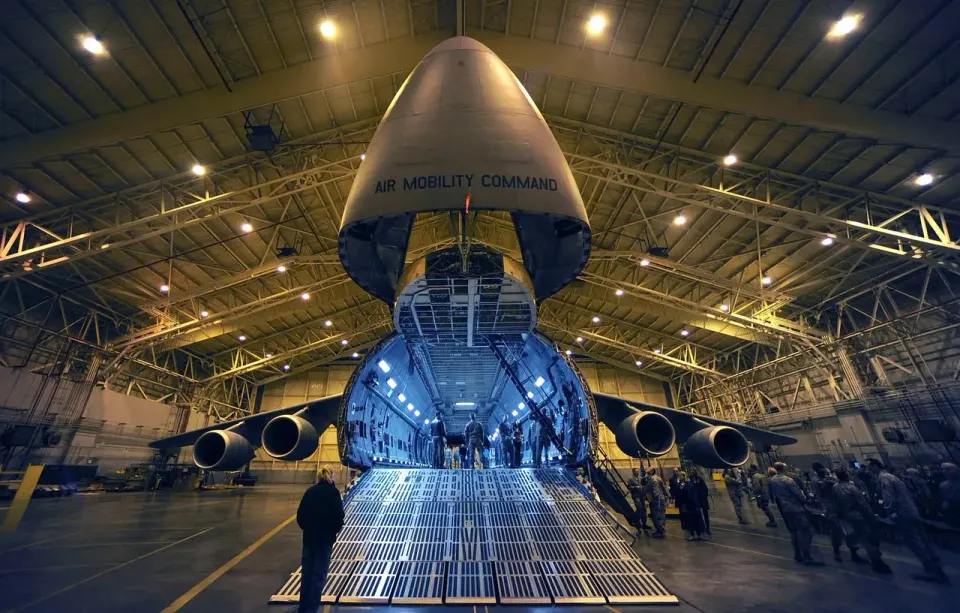
The second trap is volume. If your shipment is too large for a passenger aircraft's cargo hold, you may need a freighter, which changes the rate and the schedule. The third is booking. Rates and space move quickly near peak, so a quote is only good for a short period.
The fourth is the customs side. Duty and tariffs apply the same way, and your importer of record details must still be right. A fast flight does not help if the entry is held for a missing document. Check the HTS code, the origin marking and the commercial invoice before the cargo leaves.
At Eastern Plays, our editors advise keeping an air option warm with one forwarder, even if you rarely use it. A pre-approved rate card saves hours when you need it.
A Hybrid Plan: Split the Order
You do not have to pick one mode for a whole order. Send the first 10% to 30% by air to protect sales, and the rest by ocean. This hedge keeps your cost down while covering the weeks when ocean delays are most likely.
Ask your supplier to pack the air portion separately, with clear labels and its own packing list. Pay attention to carton marks and the invoice split, so customs sees two clean shipments instead of one confusing one.
Plan the paperwork for each leg. Ask the forwarder who handles the airline booking, who files the import entry and who pays for storage if the cargo arrives before you are ready. A shipment that lands early but sits in a bonded warehouse can still generate daily fees. Agree on a clear handover date and a contact person at both ends.
Finally, watch the market, not the headline. Rate reports often cite spot prices, which are what a shipper pays for a single booking. If you have a contract rate or a service contract, your actual price may be lower or higher. Ask your forwarder for a written quote that lists every line, and compare it with the last two you received. General information here is not a quote or legal advice.