Chinese New Year 2027: Factory Shutdown Dates and Order Deadlines
China's 2027 holiday schedule is official. Here is how to set order deadlines, protect payments and book freight before the factories close.
In this piece 8 sections
China's official Spring Festival break for 2027 runs February 5 to 13, with make-up workdays on January 31 and February 14. Many factories stop earlier and restart later than the calendar says. Plan to finish production and inspection by late January, and do not expect real output until late February.
This guide is for importers, brand owners and sourcing managers who buy from factories in China and Vietnam. It covers the 2027 dates, a worked order-deadline timeline, and the payment, inspection and freight steps that protect a spring launch. At Eastern Plays, we plan every Lunar New Year order backward from the day stock must be on the shelf.
When do factories in China and Vietnam close for the 2027 New Year?
Chinese factories close for the official Spring Festival holiday from February 5 to 13, 2027, and many stop work days earlier. Vietnamese suppliers follow a separate Tet calendar. Always ask each factory for its own written shutdown and restart dates.
The State Council schedule, reported by the Beijing municipal government, sets a nine-day Spring Festival holiday starting on Chinese New Year's Eve, Friday, February 5. It also sets make-up workdays on Sunday, January 31 and Sunday, February 14. Lunar New Year's Day itself falls on February 6.
Vietnam works differently. According to VietNamNet's report on the Ministry of Home Affairs announcement, public sector staff get seven days off from February 4 to 10, 2027. Private factories set their own dates, and many take longer.
Treat these dates as the earliest possible closure, not the factory's actual plan. Ask your supplier for three dates: the last day of full production, the last day it will load a container, and the first day the main production lines run at full strength.
How far back should you plan your order deadline for Chinese New Year 2027?

You plan the deadline by working backward from the date stock must reach your warehouse. Subtract inland delivery, ocean transit, inspection, production and material sourcing time. The result is the last day to place a purchase order and pay the deposit.
Here is a worked example with stated assumptions. Say you need goods in your warehouse by March 15. Assume ten days for port clearance and delivery, and 30 days of ocean transit. Your container must then leave Asia around February 3. Add five days for inspection and paperwork, so production must finish by about January 28.
If production takes 30 days and materials need a week to arrive and be approved, the order must start near December 22. That leaves roughly five weeks from today to finish samples, agree specs and send the deposit.
Now see the cost of missing it. If the factory is back to full output around February 22, a 30-day run ends March 24. Add inspection, transit and delivery, and goods land in early May. That is nearly eight weeks late, with the same unit price and a missed selling season.
The China Briefing holiday calendar notes that private companies may add extra days off beyond the official schedule. Build a buffer of at least a week for that risk.
Check how the delay would hit your costs too. Our look at container freight rates from China after Golden Week shows how a rate change moves landed cost per unit.
Why does the factory restart take longer than the holiday?

The restart takes longer because the workforce does not return on day one. Many workers travel home for the holiday, and some do not come back to the same employer. Machines then need to be re-staffed, re-set and run in again.
Expect three common problems after the break:
- Lines run below full capacity for the first one to two weeks.
- New or temporary operators repeat mistakes that experienced staff avoid.
- Raw material suppliers restart late, so components arrive behind schedule.
The practical answer is to treat the first post-holiday batch as higher risk. Ask for a first-article check on the first day of production, and schedule an inspection partway through the run, not only at the end. A defect found on day three costs far less than one found at loading.
Orders that straddle the holiday carry the most risk. If a run starts in January and finishes in March, the same product is made by two different crews. Ask the factory to keep a signed golden sample and to photograph the setup before the break so the restart matches it.
How should you handle deposits and inspection before the shutdown?

You should pay only against verified progress and keep the balance until an independent inspector confirms the goods. Factories need cash before the holiday, and that is the moment a weak supplier is most likely to pressure you for early payment.
A sound sequence looks like this:
- Pay the deposit when the purchase order and specifications are signed.
- Pay any mid-production installment only after photos or a mid-run check.
- Book a final random inspection two to three days before loading.
- Release the balance only after you receive the inspection report and approve it.
Hold that last rule even if the factory says the holiday leaves no time. A pre-shipment inspection can be done in a day. If the supplier refuses, treat it as a warning about the goods, not the calendar.
Keep your documents ready as well. Customs authorities expect a clear record of who made the goods and where. Our guide on building a supplier file for heightened CBP disclosures lists what to collect now, while the factory is still answering email.
How do you secure freight space around the holiday?
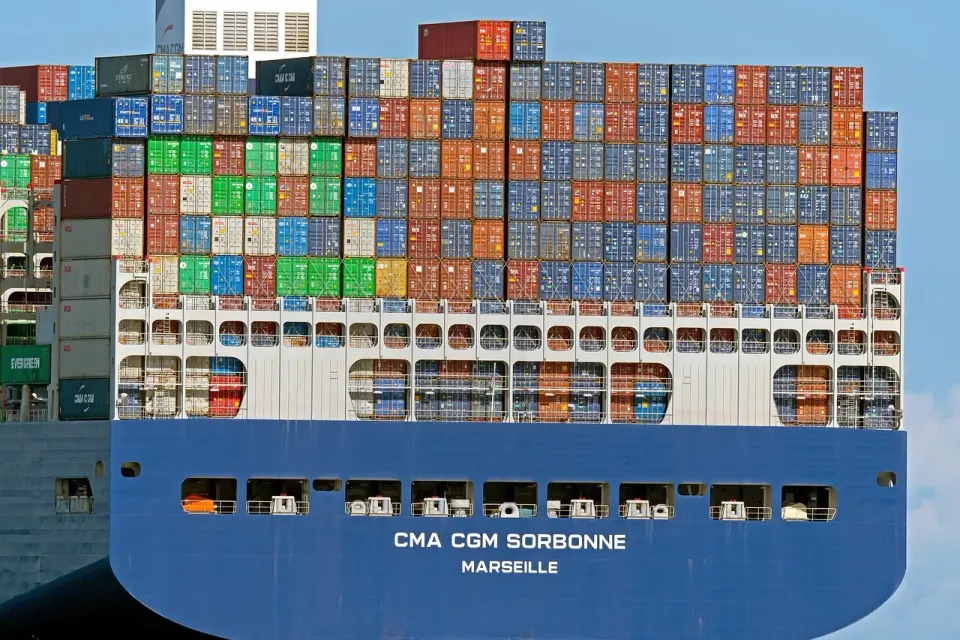
You secure space by booking early, sharing a firm cargo-ready date with your forwarder, and confirming the loading plan in writing. Carriers and forwarders fill their pre-holiday sailings quickly, and a missed cutoff can push a container back by weeks.
Ask your forwarder for the cutoff date for the last sailing before the break, not only for the vessel date. Then set your internal deadline several days ahead of it. A container that is ready but not loaded earns nothing.
Route choice matters too. If your cargo goes to Europe, the carrier network may differ from last year. Our piece on the Suez return and Gemini's route shift explains how lead times can move, and why a plan built on last year's transit time can be wrong.
Finally, keep an eye on the weeks after the holiday. Ports and trucking depots in China reopen on their own schedules, and the first sailings back are often crowded. Ask for the post-holiday booking plan before the break begins.
What should you ask every supplier before the break?
Send one short written checklist to every factory this month. A single email thread gives you a dated record, and it forces vague answers into specific ones.
Ask each supplier for these items:
- The last day of full production and the last day of container loading.
- The first day all main lines run, and the expected share of returning staff.
- Which raw material and component vendors close, and for how long.
- Who answers email and WeChat during the break, and in what hours.
- Whether any of your orders will be moved to a subcontractor.
The last question matters most. Some factories pass work to a second plant when their own lines are full before the holiday. If that happens, your inspection and your certificates may no longer match the plant that made the goods. Require approval in writing before any subcontracting.
What if you have already missed the order deadline?
If you have missed the deadline, you still have options, but each one costs money or adds risk. Decide early, because every week of delay narrows the list.
Compare these choices:
- Split the order, shipping a small first batch before the break and the rest after.
- Pay for air freight on a small share of units to protect the launch date.
- Move the order to a factory with spare capacity, after a full audit.
- Push the launch and tell retailers and customers now, not in March.
Splitting is usually the safest fix, because it keeps the same factory and tooling. A new factory is the riskiest, since a rushed supplier switch skips the checks that protect you. Never trade away inspection to save time, because a late shipment is easier to explain than a recall.
Your Chinese New Year 2027 plan in one page
The Lunar New Year is predictable, and the loss comes from planning too late. The dates are now official. The rest is arithmetic and discipline.
This guide reflects the official notices as of November 2026. Confirm your own factory's calendar before you commit, because private shutdown dates can differ from the public schedule.
This week, list every open order, work back from each shelf date, and email each supplier for its three key dates. Then book inspections and freight space against those dates. Eastern Plays will keep tracking the 2027 calendar as factories announce their plans.