Container Freight Rates From China After Golden Week 2026: Budget Your Landed Cost
Shanghai to Los Angeles is near $7,900 per container. Here is what it does to your cost per unit and how to protect margin on Q4 orders.
In this piece 10 sections
Drewry's World Container Index put a 40-foot container from Shanghai to Los Angeles at $7,884 on October 15, 2026, up 3% in a week. The all-route average was $4,485. Importers should price Q4 and Q1 orders on current spot rates, then add a buffer, because carriers are pushing more increases after China's Golden Week.
Rates move fast, and a quote that was good in September can be stale by the time a purchase order ships. This guide from Eastern Plays covers what the latest numbers say, how freight changes your landed cost per unit, and how to protect margin on the next few orders.
What Are Container Rates From China Right Now?
On October 15, Drewry reported $7,884 per 40-foot container from Shanghai to Los Angeles and $10,075 to New York. Shanghai to Rotterdam was $3,522. The composite index was $4,485, up 3% after three weekly declines, and it was $4,351 a week earlier.
The figures come from Drewry's weekly World Container Index, which tracks spot rates on eight major routes. Spot means the price for a booking made now, not a contract rate negotiated for the year.
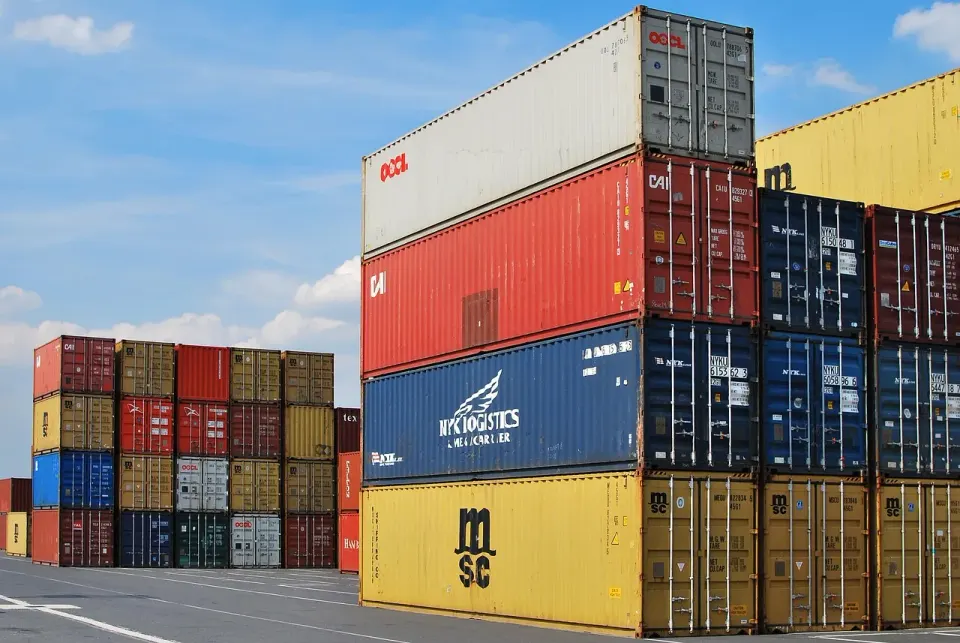
Notice the gap between lanes. Transpacific freight into the West Coast costs more than double the Asia-to-Europe rate at the moment. Strong US import demand explains most of it, and Drewry expects rates to stay volatile after Golden Week.
Why Are Carriers Pushing Rates Up After Golden Week?
Carriers use the weeks after a holiday to try rate increases when cargo returns. Golden Week, the early-October national holiday in China, empties factories and then refills ports. Shipping lines announce general rate increases and peak-season surcharges, then see how many shippers accept them.
Drewry notes that carriers are seeking higher base rates from October 19, but that implementation is uncertain. Fewer canceled sailings and the return of ships to the Suez Canal add capacity. More ships chasing the same cargo makes increases harder to hold.
That tug of war is why quotes swing. Some weeks a forwarder offers a rate that looks low, then a rolled booking or a surcharge appears. Eastern Plays editors recommend asking one question on every quote: what is not included?
How Much Does Freight Add to Your Cost Per Unit?
Divide the container rate by the units inside. A container holding 8,000 units at a $5.00 factory price costs $40,000 for the goods. At $7,884 freight, shipping adds about $0.99 per unit. At a quiet-market rate of $3,500, it adds about $0.44.
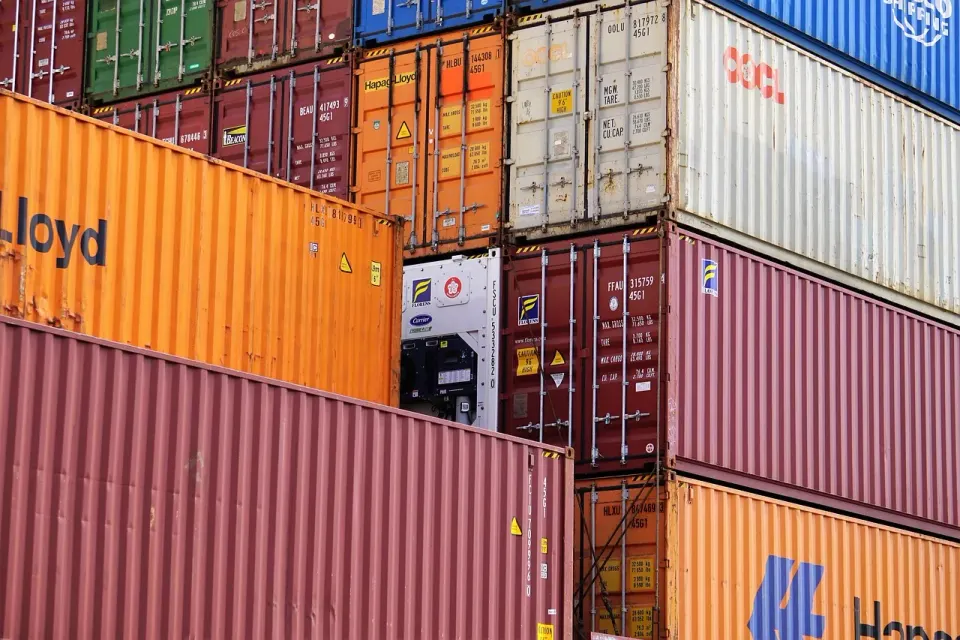
That swing of 55 cents trims gross profit per unit by about 6% when the product sells for $15 and costs $5 at the factory. On a thin-margin item it can erase the profit entirely. Bulky, low-priced goods feel the swing most, while dense, high-value goods barely notice it.
Freight is only one piece of landed cost. The importer also pays duties, brokerage, port fees and inland trucking. Our guide to finding your HTS code and asking CBP for a binding ruling shows how to pin down the duty piece before you quote a customer.
The table below shows how the same 8,000-unit order changes at three freight rates.
| Container rate | Freight per unit | Landed cost before duty | Margin on a $15 sale |
|---|---|---|---|
| $3,500 | $0.44 | $5.44 | 63.7% |
| $5,500 | $0.69 | $5.69 | 62.1% |
| $7,884 | $0.99 | $5.99 | 60.1% |
These margins exclude duties, marketing and other costs, so treat them as a way to compare scenarios rather than as profit. The point is the change, not the level.
What Does a Container Quote Leave Out?
Most quotes list the ocean rate and a few headline fees. Others show up later. Check for terminal handling, documentation, fuel and peak-season surcharges, chassis fees and detention. The Federal Maritime Commission (FMC) regulates ocean carriers, and its website explains how to file a complaint over unreasonable charges.
Look at the Incoterm too. Under FOB, you pay the ocean freight and arrange the carrier. Under CIF or DDP, the supplier does, and the price may hide a markup. The International Chamber of Commerce publishes the official Incoterms rules.

Detention and demurrage deserve special attention in a volatile market. Delays at the port or at your warehouse turn into daily fees fast. Our walkthrough on checking and disputing detention and demurrage invoices shows what you can challenge.
How Can You Protect Margin When Rates Keep Moving?
Use five habits, none of which depend on guessing the market. They work for a one-person importer or a team with a logistics manager.
- Get two or three written quotes with expiry dates and a full fee list.
- Ask for the all-in rate to your door, not just the port.
- Ship in two smaller batches if cash and demand allow.
- Build a 10% to 15% freight buffer into your price model.
- File the Importer Security Filing (ISF) on time to avoid penalties.
Start with the written quote. A verbal rate from a forwarder is a guess. A signed quote with an expiry date is something you can hold them to. If the rate rises before the booking is confirmed, you will at least know who owns the change.
The ISF point is easy to miss. U.S. Customs and Border Protection (CBP) requires importers to file it at least 24 hours before cargo is loaded onto a vessel bound for the U.S. Late filings can bring liquidated damages of $5,000 per filing, and the details are in CBP's importer presentation on the ISF.

Is a Contract Rate Better Than Spot Pricing?
It depends on your volume and your tolerance for risk. A contract rate fixes the price for a set period, often a year, and guarantees space in return for a minimum number of containers. Spot pricing is flexible, but it follows the market up and down. Small importers shipping a few containers a year rarely qualify for direct contracts.
Your forwarder, however, may offer a fixed rate for a quarter by pooling your cargo with other customers. Ask for a written quote that names the validity dates and what happens if the carrier rolls your booking. Fixed pricing can feel expensive when spot rates fall, and a lifesaver when they spike.
A mixed approach works for many businesses. Fix the rate on the shipments you cannot afford to miss, such as your holiday restock, and leave the rest on spot. That protects the orders that matter most without locking in a price on everything.
When Does Air Freight Make Sense Instead?
Air freight costs far more per kilo, but it can be worth paying on small, valuable or urgent shipments. A rush restock of a bestseller can pay for itself if the alternative is weeks of empty shelves. Samples and prototypes almost always go by air.
Compare cost per unit, not cost per shipment. A lightweight item like a phone accessory might add only a dollar or two per unit by air, while a bulky one might add ten. Work out the figure for each product before you decide.
Should You Ship Now or Wait for Rates to Fall?
For most small importers, waiting is a poor bet. Rates were falling for three weeks before the latest rise, and Drewry expects continued volatility. If your stock is low, a late shipment costs sales, and sales usually matter more than the freight difference.
There is a case for waiting if you have plenty of stock and flexible delivery dates. In that case, book space for a later sailing and watch the weekly index. A rule of thumb is to wait only when you could lose less on freight than you would lose in missed sales.
Chinese New Year is the next hard deadline. Factories close for weeks, and orders crowd into the last sailings before the break. Our Chinese New Year 2027 production and inspection timeline shows how to work backward from that date.
What Else Is Hitting Importers' Costs This Quarter?
Freight is not the only moving part. Duties, trade-policy deadlines and port fees all change the final bill. One related deadline is the possible return of ship fees, which our piece on China ship fees in November 2026 explains.
The simplest defense is a single spreadsheet that lists every cost from factory gate to your shelf. Update it weekly while rates are volatile. When a number moves, you will see what it does to margin the same day.
Conclusion
Freight from China is expensive and unstable after Golden Week, with Shanghai to Los Angeles near $7,900 per container. Price your orders on current rates, add a buffer, get quotes in writing and read every fee line. Small habits like these protect more margin than any attempt to time the market.
Your next step is to take your last three quotes, divide each by the units shipped, and see how much freight actually adds to your cost per unit.