China Export Control Pauses: What Importers Should Do Before January 10 and 27
China extended two export-control pauses this month. Here is which imported products carry risk and what to ask suppliers in writing.
In this piece 8 sections
China has extended two pauses on export controls. Its expanded rare earth and processing-technology rules stay suspended until January 10, 2027, and its US-specific ban on gallium, germanium and antimony is suspended until January 27. Licensing still applies to many materials, so importers of electronics, magnets and batteries should ask suppliers about license status and add buffer time.
Eastern Plays covers sourcing from Asia for Western buyers. This guide is for importers and sourcing managers who buy finished goods, not raw minerals, from Chinese factories. It explains what the pauses cover, which products carry the most exposure and what to put in writing with suppliers before the next deadlines.
What Did China Extend in November 2026?
Two separate pauses were extended. The first covers expanded rare earth and processing-technology rules. According to CASRAI's summary of the notice, China's Ministry of Commerce extended the suspension of Announcements 2025/61 and 2025/62 from November 11, 2026 until January 10, 2027.
The suspended package includes a rule that would require permits for foreign-made goods containing as little as 0.1% Chinese-origin rare earth content by value. It also covers some controls on lithium batteries and synthetic graphite anode material. Strict licensing stays in place for dysprosium, terbium and yttrium.
The 0.1% rule deserves a plain explanation. It would reach products made outside China if they contain a small amount of Chinese-origin rare earth material. That would pull factories in Vietnam, Malaysia or Thailand into the same permit system. Because it is suspended, it is a risk to track now, not a rule you must follow today.
The second pause is separate. On November 24, the Commerce Ministry said it would keep its US-specific ban on gallium, germanium and antimony exports suspended through January 27, 2027, according to TechTimes. The same report says licensing requirements and the ban on U.S. military users stay in force.
Neither pause adds supply. They move the next cliff by a few weeks. That is why a sourcing plan should work for both dates, not just the one that comes first.
Which Imported Products Could Feel the Pressure?
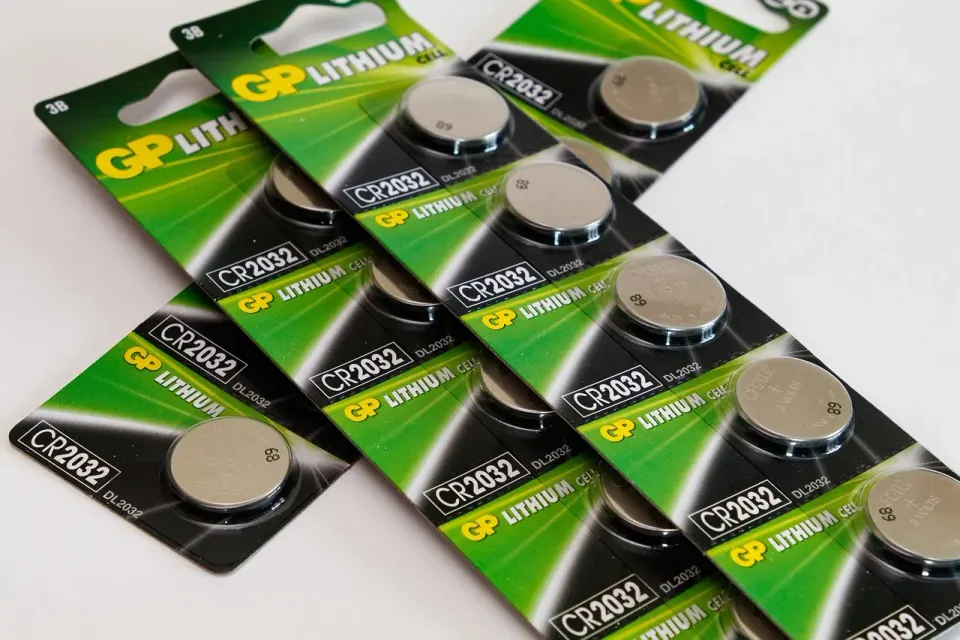
Most importers do not buy rare earths. They buy products that contain them. The exposure sits inside the parts list, so you need to know what is in the box and who supplies each component.
The table below maps common product types to the materials that could matter. It is a screening tool, not a legal opinion.
| Product type | Material at risk | Question to ask the supplier |
|---|---|---|
| Speakers, motors, power tools | Magnets with heavy rare earths | Where is the magnet made, and under what license? |
| Rechargeable devices | Lithium batteries, graphite anodes | Does the cell supplier rely on controlled inputs? |
| Electronics and chargers | Gallium and germanium parts | Which chips or optics use these metals? |
| Lenses and sensors | Germanium optics | Is there a non-controlled alternative? |
| Flame-retardant plastics | Antimony compounds | Can the formulation change without a retest? |
Not every product in these groups is at risk. A basic speaker may use a ferrite magnet, which does not use heavy rare earths. Ask before you assume either way.
How Dependent Is the U.S. on Chinese Processing?
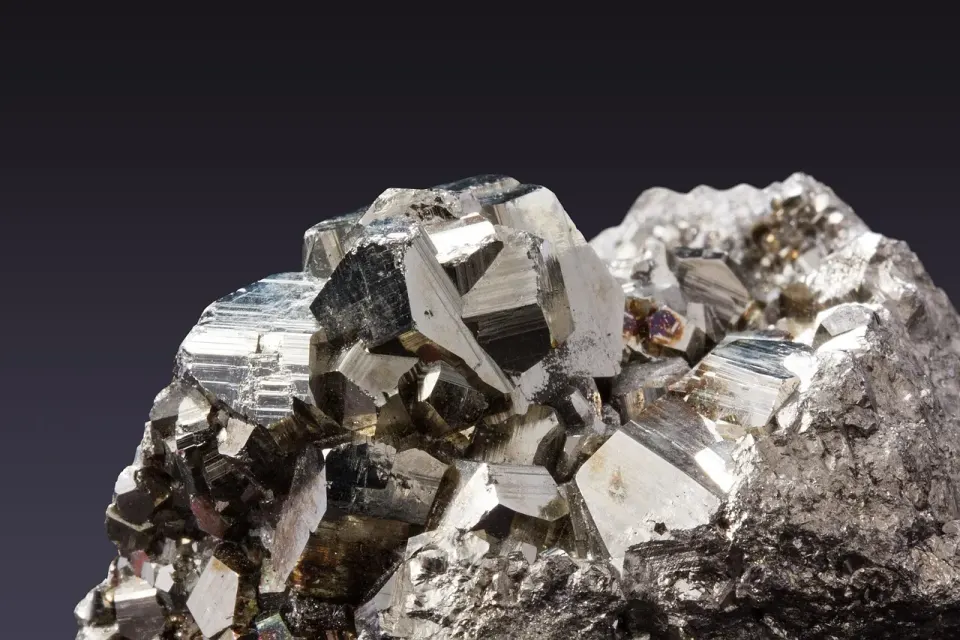
Very dependent, according to U.S. government data. The U.S. Geological Survey (USGS) reports that imports of yttrium alloys, compounds and metals in 2021 to 2024 came from China at 70%, and that nearly all of those imports were derived from concentrates processed in China.
The same agency describes the gallium and germanium picture in a study on export bans. China imposed export licensing on mineral commodities containing gallium and germanium in 2023, requiring state approval for all exports. China is the leading producer and exporter of both metals.
For you, the lesson is practical. Even if your factory is in Vietnam or Thailand, its magnet, chip or battery supplier may still be in China, and that supplier needs the license. A change of country at the final assembly step does not remove upstream exposure.
What Should You Ask Suppliers Before January 10?
Start with documents, not worry. Send each key supplier a short written questionnaire. The list below covers the main items:
- A bill of materials that names every magnet, battery, chip and optic.
- The country of origin of each component and the name of its maker.
- Whether any component needs a Chinese export license, and who holds it.
- The current stock of the controlled parts, in weeks of production.
- The lead time if a license is delayed.
- Any approved alternative part and the retest time it would need.
Be specific when you ask. "Do you use rare earths?" gets a vague yes or no. "Which company makes the magnet in model 214, and which country is it in?" gets a name you can check. Specific questions also show the supplier that you track the issue, which tends to improve the quality of the reply.
Ask for answers in writing by a fixed date. A supplier who cannot say where a magnet comes from is a supplier with a gap in its own records. Treat that gap as a risk signal.
Also check your supplier list against compliance lists. Our guide to the UFLPA Entity List check for China suppliers shows how to screen names. Export-control risk and forced-labor risk often overlap in the same upstream mines and smelters.
How Should You Change Contracts and Lead Times?

Put the risk into the purchase order. A good clause says who must apply for any needed license, how soon the supplier must report a delay, and what happens to your deposit if the goods cannot ship. Without that language, you may wait weeks for news and have no clear remedy.
Here is a simple example, for illustration only. Say a motor supplier needs 30 days to produce and 10 days to ship from the factory gate to the port. If you need goods by March 1 and a license delay could add 30 days, the order should be placed by mid-December. Building that buffer now costs nothing. Rushing in January costs a lot.
Timing connects to your tariff plan as well. Our piece on what China importers should do before January 10, 2027 covers the trade-truce date that falls on the same day as the rare earth deadline. Plan for both at once.
Weather and holidays add more risk. Our typhoon season sourcing plan for importers explains how to keep a schedule buffer, and the same buffer helps here.
Do You Need to Switch Suppliers Right Now?
Usually not. Switching a supplier costs time, samples and a new round of testing. A pause that lasts to January does not mean a ban will return. Trade talks have extended the dates before, and the next round may do the same.
There is a fair counterpoint. The pauses are short, and they can end without much notice. If your product depends on a controlled material and you have no stock, a second source is worth qualifying now. Start with samples, not orders, so the cost stays low.
Price is the other side of the decision. A second source often costs more per unit at first, because volumes are small. Compare that premium to the cost of a missed season. For some products the extra cents are cheap insurance, and for others they are not worth it.
A middle path works for many buyers. Keep your current supplier, ask for extra safety stock of the controlled parts, and qualify one alternative in the background. That plan limits cost and keeps options open.
What Does a License Delay Look Like in Practice?
A delay rarely arrives as a headline. It shows up as a supplier email that says a component is "waiting for paperwork." The production date slips by a week, then another. Meanwhile your shipping slot, your customer promise and your cash all stay fixed.
Watch for early signals. A supplier that stops quoting firm dates, a price increase on one component, or a sudden request to change a part are all signs of stress upstream. Ask for the reason in writing, and compare it to what you know about the bill of materials.
Keep your own buyers informed too. If you sell to retailers, tell them early that a component has a long lead time. A warning in November is a conversation. A missed delivery in March is a penalty.
What Should You Do This Week
Write down your review. A one-page memo with the product list, the components at risk, the supplier answers and the decision for each order is enough. If a customer, lender or auditor asks how you handled the pause, you will have a dated record to show.
Send the questionnaire, mark the January 10 and January 27 dates on your calendar, and review every open purchase order that includes magnets, batteries, chips or optics. Eastern Plays recommends one rule: no new large order without a written license-delay clause.
Fact-checked as of November 25, 2026. Export rules change often, so confirm the latest notices with a trade lawyer or customs broker before you act.