
Chinese New Year 2027 Order Deadlines: Work Back From Mid-January
Factories close February 5 to 13, but the real cut-off is mid-January. Here is how to count back from it and what to lock in first.
In this piece 7 sections
Chinese factories close for the Spring Festival from February 5 to 13, 2027, and output slows from mid-January. To ship by sea before the break, confirm your order by early December and get a loading date in writing. Orders that miss that window usually wait until March.
This guide sets out the Chinese New Year 2027 order deadlines for Western importers and sourcing managers who buy from factories in China. It shows how to work backward from the shutdown, what ocean freight looks like right now, and what to lock in with suppliers before the calendar runs out. Eastern Plays covers sourcing and shipping from Asia, and this is the one planning job that cannot be done late.
Chinese New Year falls on February 6, 2027, eleven days earlier than in 2026. An earlier holiday pulls every deadline forward. The catch-up work then lands in the weeks when many buyers are still clearing winter stock.
When do Chinese factories close for Chinese New Year 2027?
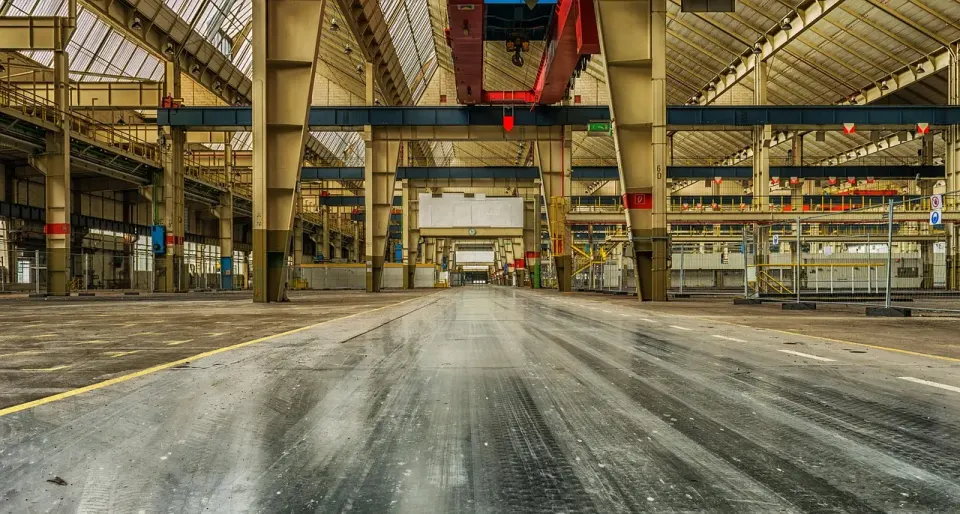
The State Council's 2027 holiday notice, as reported by the Beijing municipal government, sets Spring Festival at nine days, from Friday, February 5, to Saturday, February 13. Factories stop earlier and restart later than that. Expect real slowdown from mid-January and full output only in early to mid-March.
The notice also lists make-up workdays on Sunday, January 31, and Sunday, February 14. Those Sundays count as working days on paper. Do not plan around them, because many workers travel home days before the holiday and return days after it.
The gap between the official dates and the real shutdown is where orders get lost. A factory that is legally open on February 14 may still be running at a fraction of normal output through the first weeks of March. Larger plants with permanent staff often recover faster. Small workshops that lean on seasonal labor can take longer, and some lose operators who never come back.
How do you work out your order deadline for Chinese New Year 2027?
Start with the date you need goods on the water, then subtract production time, sample approval and deposit clearing. For a 30-day production run that must finish by January 15, production starts by December 15. Add one to two weeks for materials and approvals, and your order confirmation falls in early December.

The table below turns that arithmetic into a calendar. These are planning dates built from the official holiday, not promises from any factory. Replace each one with the dates your supplier confirms.
| Milestone | Target date | What must be done |
|---|---|---|
| Order confirmed | December 1 to 5 | Deposit paid, specs signed, sample approved |
| Production starts | By December 15 | Materials in hand, line slot confirmed in writing |
| Inspection | January 11 to 15 | Inspector on site, report received |
| Production ends | By January 15 | Goods packed, cartons marked |
| Cargo loaded | By January 29 | Security filing sent 24 hours before loading |
| Official break | February 5 to 13 | Nothing moves, nobody answers |
One question changes every row. Ask whether the quoted lead time starts at the deposit or when the raw materials arrive. A supplier who quotes 30 days from material arrival has just handed you an extra two weeks you did not budget for.
Orders that cannot meet these dates are not lost. They need a different plan: pay for air freight on the urgent lines, split the order so the best sellers ship first, or accept a March start and tell your sales team now.
What does the ocean freight market look like before the break?
Transpacific rates are easing, but they remain far above last year. Supply Chain Dive, citing Freightos, reported that Asia to U.S. West Coast spot rates were $8,245 per forty-foot container on November 10, and East Coast rates were $9,708. A year earlier they were $2,958 and $3,513, so current rates run roughly 2.8 times higher.
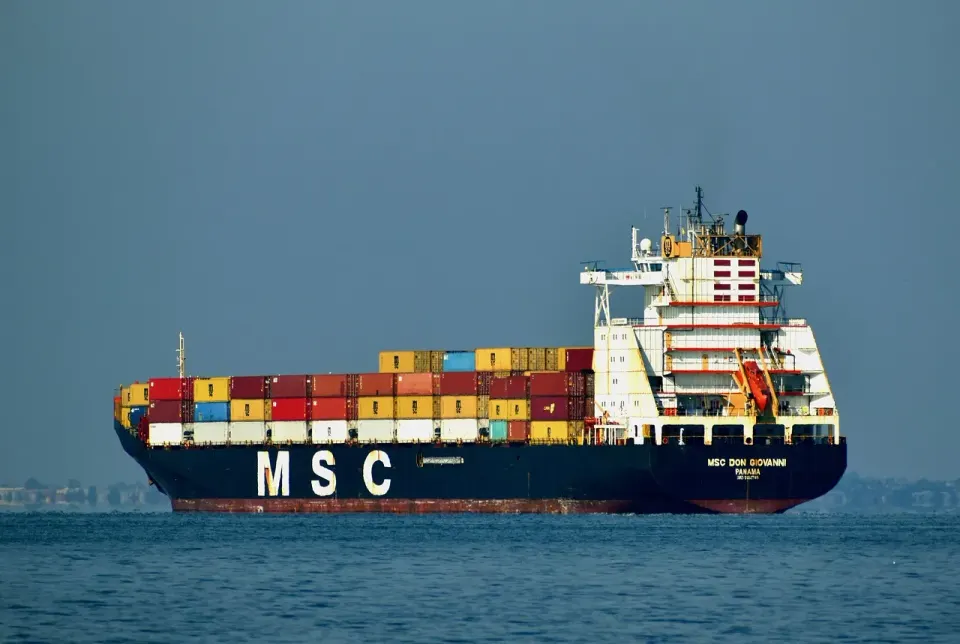
The direction is now down. The Loadstar reported on November 20 that Asia to U.S. East Coast spot rates hit their lowest level in 15 weeks, and West Coast rates their lowest in 12 weeks. The same article describes the move as normal slack-season behavior after an extended peak.
A falling spot rate is not a locked rate. Buyers rushing cargo out before the holiday can push prices back up in January, so a November quote does not guarantee a January price. Eastern Plays editors suggest asking two forwarders for a quote with a stated validity date, then comparing what each one leaves out: origin charges, fuel surcharges and inland delivery.
The cargo outlook helps a little. The National Retail Federation's Global Port Tracker, cited in the same Supply Chain Dive piece, forecasts 2.05 million TEUs for November and 2.03 million for December, down from 2.26 million in October. Lighter port volume should mean easier space, but only if you book early.
Which quotes and paperwork should you lock in before the shutdown?
Anything that needs a factory signature, a stamp or a data point from the supplier should be finished before the holiday. A closed office cannot correct a wrong document. The list below covers the items that most often stall a shipment.
- A final commercial invoice and packing list that match the cartons.
- The manufacturer name, address and container stuffing location for the security filing.
- Tariff classification and country-of-origin details for every line.
- Any compliance documents your destination market requires.
For U.S.-bound ocean cargo, Customs and Border Protection (CBP) requires an Importer Security Filing, known as ISF or 10+2, with ten data elements. The filing is due no later than 24 hours before the cargo is loaded at the foreign port. Several of those elements come straight from the factory, so a gap in January becomes a hold in February.
Tariff terms need the same attention. Our explainer on the Section 301 exclusions that now run to January 9, 2027 shows how to write that date into a supplier quote. That deadline falls inside this loading window, so check each shipment's entry date against it before you agree a price.
If you sell into the EU, the deadline is even closer. The EUDR checklist for EU importers buying from Asia covers the supplier statements due around December 30, 2026. Collect those before your supplier's office empties out.
How do you check a supplier's real shutdown schedule?
Ask for four dates in writing: the last day the factory accepts new orders, the last production day, the last loading day and the first day of full output. Then ask for the same dates from its component suppliers. A factory that answers with only the official holiday dates has not planned its own shutdown.
The answer also tells you who you are dealing with. A trading company without its own production line cannot promise a slot it does not control. Our guide on how to tell a real factory from a trading company lists the questions that expose the difference quickly.
Suppliers outside China keep their own calendars. Vietnam's Tet holiday also clusters around the lunar new year, and the local rules differ from China's. If you run people there, Vietnam's winter calendar and 2027 pay rules are worth reading before you set deadlines for that team.
Moving part of an order to a second country is a real option for a repeat product. It is a poor choice for a new one, because a second factory needs its own samples, audit and learning curve. Do that work in spring, not in the last week of December.
Why should you inspect goods before the factory closes?
An inspection after the break is too late to fix anything, because the workers and materials are gone for weeks. Book the inspector for the final week before production ends. Check the cartons against the approved sample, and hold the balance payment until the report arrives.

Timing matters more than the sampling plan. A defect found on January 12 can still be reworked before loading. The same defect found in March means a second production run, a second freight bill and a missed selling season.
The inspector should check the outer carton marks, the barcode labels and the packing method as well as the product. Cartons that fail at a port cost far more to correct than cartons that fail at the factory gate. Ask for photos of the loaded container as well, so you know what left the building.
What should you do this week?
The next ten days decide the whole first quarter. Work through these steps in order, starting with the supplier emails.
- Email every supplier for the four shutdown dates.
- Rebuild your calendar from the earliest date any supplier gives you.
- Request two freight quotes with validity dates.
- Book inspections for January 11 to 15.
- Collect invoices, packing lists and compliance documents early.
None of this is complicated. It only has to happen before the holiday, and it has to happen on paper. Eastern Plays recommends treating the supplier's written dates as the plan and everything else as hope.