UFLPA Entity List 2026: How to Check Your China Suppliers
DHS just added 43 companies to the UFLPA Entity List. Here is how to find out whether any of them sit behind your factory, and what to ask before your next deposit.
In this piece 9 sections
To check your China suppliers against the UFLPA Entity List, search each factory and its main raw-material suppliers on the official DHS list. Then get written traceability back to the raw input. The list grew to 187 companies on August 3, 2026, and any listed input in your product triggers detention at the US border.
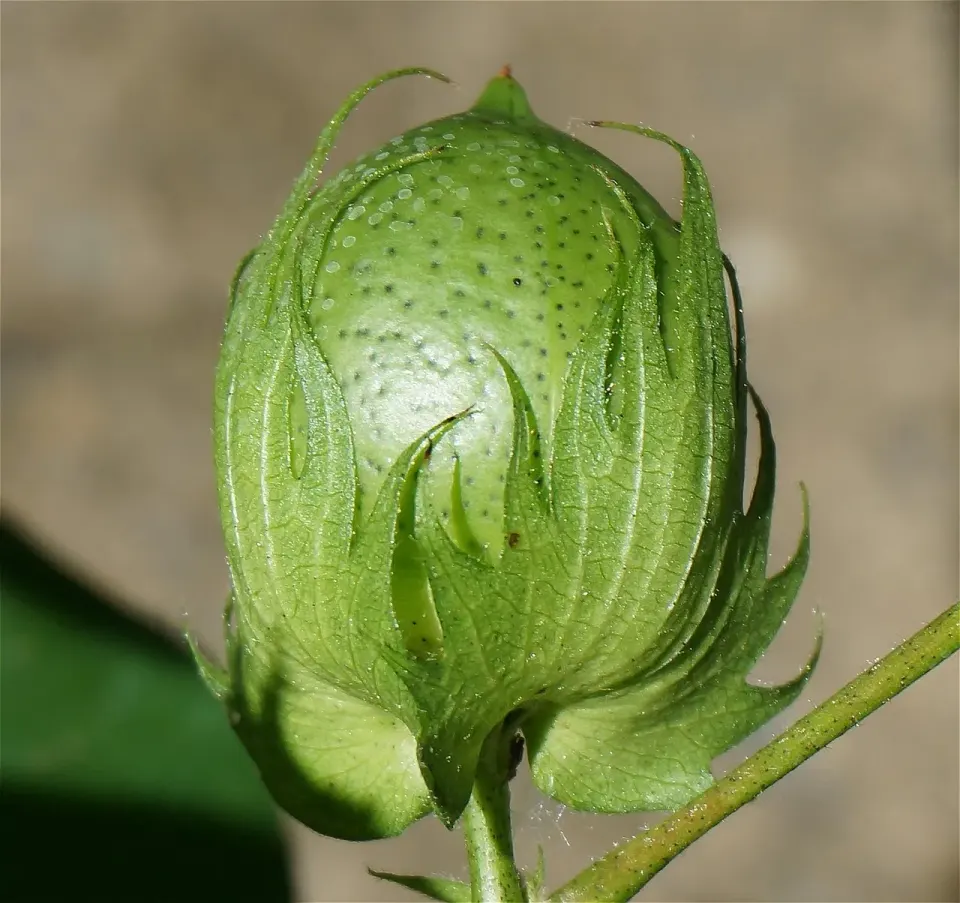
That last point is the one buyers miss. The Uyghur Forced Labor Prevention Act (UFLPA) does not care which factory assembled your product. It cares where the cotton, aluminum, polysilicon or tomato paste came from. At Eastern Plays, we write this guide for importers buying from China and from the Southeast Asian factories that buy Chinese inputs. It covers what changed this summer, how to screen suppliers properly, and what paperwork to have ready before a shipment gets stopped.
Factories that fail onboarding checks rarely fail at the front door. They fail when they are asked who sold them the steel.
What Changed on the UFLPA Entity List in August 2026?
The Department of Homeland Security (DHS) added 43 companies to the UFLPA Entity List, effective August 3, 2026. According to a summary from law firm Troutman Pepper Locke, that is a 30% jump and the largest single expansion since the law took effect. The total now stands at 187 listed entities.
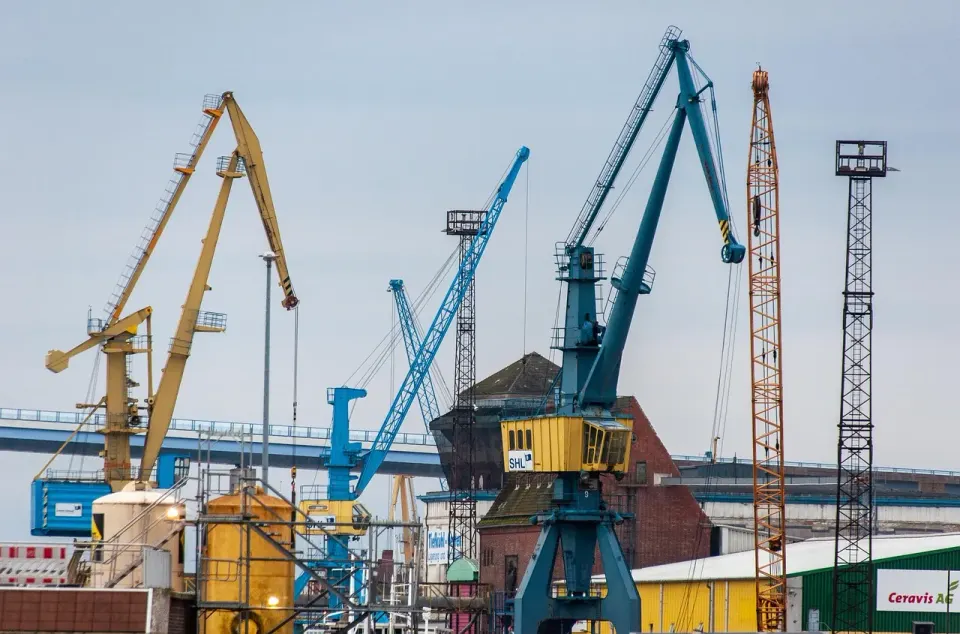
The new names cluster in a few sectors. Aluminum, copper, cotton, apparel and tomato products feature heavily. That matters well beyond textiles. Aluminum shows up in cookware, furniture frames, bike parts, lighting and electronics housings.
The enforcement numbers explain why this is worth an afternoon of your time. The same Troutman summary reports that U.S. Customs and Border Protection (CBP) has denied more than 24,300 shipments, worth roughly $1 billion, since UFLPA enforcement began in 2022.
How the Rebuttable Presumption Works at the Border
The UFLPA flips the usual burden of proof. CBP presumes that any good made wholly or partly in Xinjiang, or by a company on the Entity List, was made with forced labor. Your job is to prove otherwise.
The standard is high. On its UFLPA enforcement page, CBP says importers must show "by clear and convincing evidence" that the goods were not made with forced labor. A supplier’s signed declaration will not get you there. CBP wants a documented chain from raw material to finished product.
The practical consequence is simple. If a detained shipment depends on an input you cannot trace, plan on losing it. You might re-export it or abandon it. Either way you have paid for goods, freight and duty on something you cannot sell in the US.
How to Screen a Supplier Against the Entity List
Screening takes longer than a name search, but not much longer. Here is the order to follow with every new supplier and every annual review.
- Get the legal name. Ask for the business license and record the registered Chinese name and the unified social credit code. Trade names and English names on a quote are not enough.
- Search the official list. Check the full UFLPA Entity List on the DHS website. It also lists aliases and known subsidiaries. Search both the Chinese and English names.
- Ask for the bill of materials. Request a list of the main raw materials and who supplies each one. Focus on cotton, aluminum, polysilicon, PVC, steel, tomatoes and other flagged sectors.
- Screen the tier-two suppliers. Run every named material supplier through the same list search. This is where most hits turn up.
- Record the result. Save screenshots with dates, the supplier responses and the license copies in one folder per supplier.
A factory that will not name its fabric mill or its aluminum source is giving you an answer. Good suppliers usually already have this information because their bigger customers ask for it. The ones who stall usually buy on spot from whoever is cheapest that month. Regulated goods bring similar requests: CPSC eFiling test data from your factory.
Which Products Carry the Most UFLPA Risk?
Products built on cotton, aluminum, polysilicon and processed tomatoes carry the most risk. These materials come through supply chains with documented links to Xinjiang labor programs. The August 2026 additions widened that net into copper, battery materials and more agricultural goods. Mixed-material products are harder to trace, so they need more paperwork.
The US Department of Labor keeps a separate reference that helps here. Its List of Goods Produced by Child Labor or Forced Labor covers 204 goods from 82 countries as of its September 2024 edition. Chinese aluminum is on it, along with auto parts made from that aluminum.
The table below ranks common import categories by input risk. Treat it as a starting point for your own review, not a clearance.
| Product category | Main risk input | Tracing difficulty |
|---|---|---|
| Cotton apparel and home textiles | Cotton fiber and yarn | High |
| Cookware and furniture frames | Aluminum | Medium to high |
| Solar lights and small panels | Polysilicon | High |
| Packaged food and sauces | Tomato paste, sugar, nuts | Medium |
| Plastic housewares | PVC | Medium |
One honest caveat belongs here. Plenty of products in these categories are clean. The risk sits with the input, so a cotton tote from a well-documented mill is a lower risk than an aluminum lamp from a factory that buys metal on spot.
Moving Production Out of China Does Not Remove the Risk
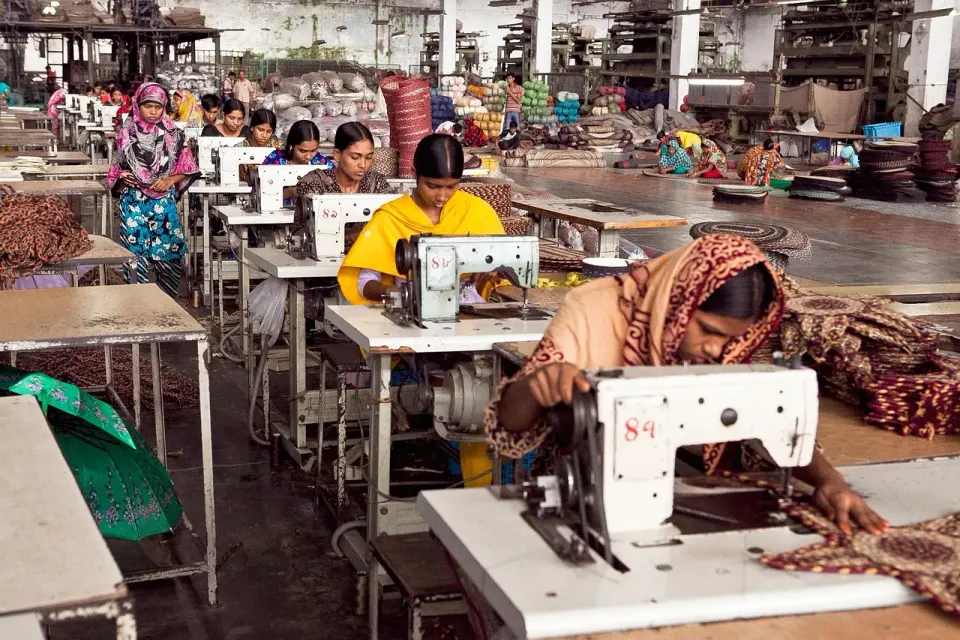
Many importers moved orders to Vietnam, Cambodia or Bangladesh over the last few years. That does not remove UFLPA exposure. A Vietnamese sewing factory often buys Chinese fabric, and that fabric can trace back to Xinjiang cotton.
The UFLPA Entity List and the Xinjiang presumption apply to the input wherever the final assembly happens. CBP has detained goods shipped from Southeast Asia on exactly this basis. So the screening steps above apply to every supplier in Asia, not only those in China.
When visiting a factory outside China, the first question should be about fabric and metal sourcing. The second is whether they can show the mill invoices. If both answers are vague, the low unit price does not matter.
What Documents Should You Collect Before You Ship?
Collect a traceability file before the goods leave the factory. If CBP detains a shipment, you have a short window to respond, and a factory will not dig out three-year-old mill invoices in a few days. CBP’s own UFLPA guidance lists the kinds of documents it expects to see. A local agent or inspector can help gather them, and how to pay a sourcing agent or QC inspector in Asia covers the setup.
A workable file for each product includes the following items.
- A supply chain map naming every company from raw material to finished good.
- Purchase orders, invoices and payment records between each tier.
- Production and shipping records showing quantities moving between companies.
- Business licenses for each company in the chain.
- Any third-party audit or testing reports that support the origin claims.
Keep the file up to date as suppliers change. A file built for last year’s fabric mill does not help this year’s shipment.
What to Do If CBP Detains a Shipment
Act on the detention notice the day it arrives. CBP will tell you what it needs, and the clock starts straight away. Call your customs broker first, then the supplier. Ask the supplier for every tier of records you do not already hold.
You have three broad options. You can submit evidence to rebut the presumption, export the goods somewhere else, or abandon them. Rebuttal only works with a complete paper trail. A partial file usually ends in re-export, and you still pay the freight, storage and broker fees along the way. Held boxes can also draw demurrage bills, so try checking detention and demurrage invoices.
This is why the file has to exist before the container sails. Importers with traceability on hand often answer CBP within days. Those without it end up chasing a fabric mill they have never spoken to.
Building the Check Into Your Sourcing Routine
A one-time screen is not enough because the list keeps growing. DHS does not publish additions on a set calendar. The August 2026 update arrived without much warning, and importers with stale supplier files had to scramble.
Three habits keep this manageable. First, add a UFLPA screen to your new-supplier checklist, next to the business license check and the factory audit. Second, put a quarterly reminder in your calendar to re-run every active supplier and their key material sources. Third, write the traceability requirement into your purchase contract so the supplier agrees to provide records on request.
The same logic carries into quality control. Inspectors already visit the factory, so ask them to photograph material labels and mill tags during the inspection. Our quality control coverage goes into how to brief an inspector. Landed cost matters too, because a detention adds storage and freight costs. The tariffs and customs section covers what those charges look like.
The Bottom Line on Supplier Screening
The UFLPA Entity List is now at 187 companies, and the August 2026 additions reach far past cotton. Screening only the factory you pay will miss most of the risk. Get the legal names, search the DHS list, push back to the material suppliers and keep the paperwork on file before you ship. Eastern Plays keeps returning to checks buyers can run before a deposit goes out.
Your next step is small. Pull your top five suppliers by spend this week and ask each one to name its main raw-material sources in writing. How quickly they answer will tell you a lot about where to look first.