China Export Control Pause Ends January 10, 2027: What to Ask Your Suppliers Now
China extended its pause on rare earth, battery and graphite export controls by only two months. Here is how buyers should prepare.
In this piece 6 sections
China has paused its export controls on rare earth items, lithium batteries and graphite anode materials until January 10, 2027. That is only two months of breathing room. Importers of magnets, batteries and products that contain them should ask suppliers about license status now, and plan for the controls to return when the pause ends.
This guide is for importers, sourcing managers and small brand owners who buy finished goods or components from Chinese factories. It explains what the November 9 notice did, which materials it touches, and which questions to put to suppliers before the deadline. Eastern Plays follows sourcing rules because a supplier's promise only helps if it is checked against the paperwork.
What did China's November 9 notice actually extend?
China's Ministry of Commerce (MOFCOM) and the General Administration of Customs published a notice on November 9, 2026 that continues a suspension of earlier export controls. The text, shown on the China Countermeasures database entry for Announcement No. 58 of 2026, keeps six 2025 announcements suspended from November 11, 2026 through January 10, 2027.
The timing is short. Benchmark Minerals reported that the original suspension was for a year, that the notice came a day before it was due to expire, and that China gave no reason for the length of the extension. Buyers should not read a two-month pause as a lasting policy.
In practice, "suspended" means the controls do not apply during the window. A compliance summary from APA Engineering says that after January 10, exporters could again need licenses unless China extends the pause again. Nothing in the notice promises that it will.
The pause also sits inside a wider trade truce. The same summary says the broader arrangement between China and the United States runs to the same January 10 date. That means the controls and the trade talks share a deadline, and a failure on one can affect the other.
One more point matters for planning. The pause does not remove every restriction. The same APA summary says April 2025 controls on seven medium and heavy rare earths were never part of the suspension and remain in force. A supplier who says "everything is open" is overstating the position.
Which products and materials does the pause cover?
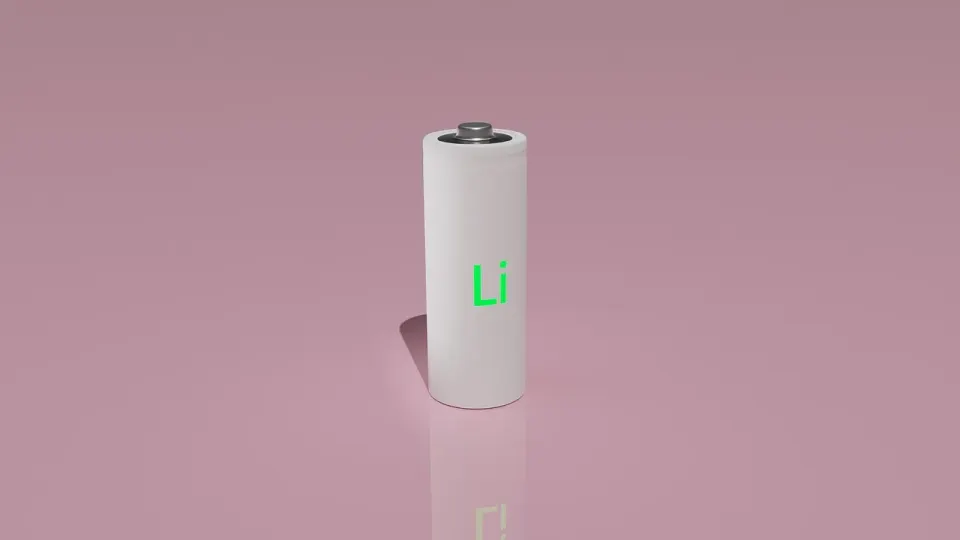
The suspended announcements cover several groups of items. The APA summary lists superhard materials, rare earth equipment and materials, holmium, erbium, thulium, europium and ytterbium, and lithium batteries and artificial graphite anode materials. The suspended list also includes notices on overseas-related rare earth items and on rare earth technologies.
Few importers buy these as raw materials. Most buy a motor, a speaker, an e-bike, a power tool or a charger that contains them. The U.S. Geological Survey (USGS) makes the link in its Mineral Commodity Summaries 2026 chapter on heavy rare earths. It notes that a significant amount of imported heavy rare earths is embedded in finished goods.
The same USGS chapter shows how concentrated supply is. For 2021 to 2024, shipping records indicated that the United States imported terbium and holmium compounds and metals only from China, at 100% each, and about 86% of ytterbium from China. The agency also puts U.S. net import reliance for heavy rare earth compounds and metals at 100%. USGS adds that China tightened its controls in April 2025 and that those April controls remained in effect as of December 2025.
Alternatives exist, but they are young. USGS says several companies are developing heavy rare earth processing capacity outside China, and that none produced sustained commercial-scale quantities in 2025. A replacement source for next quarter is unlikely.
Which importers are most exposed if the controls return?
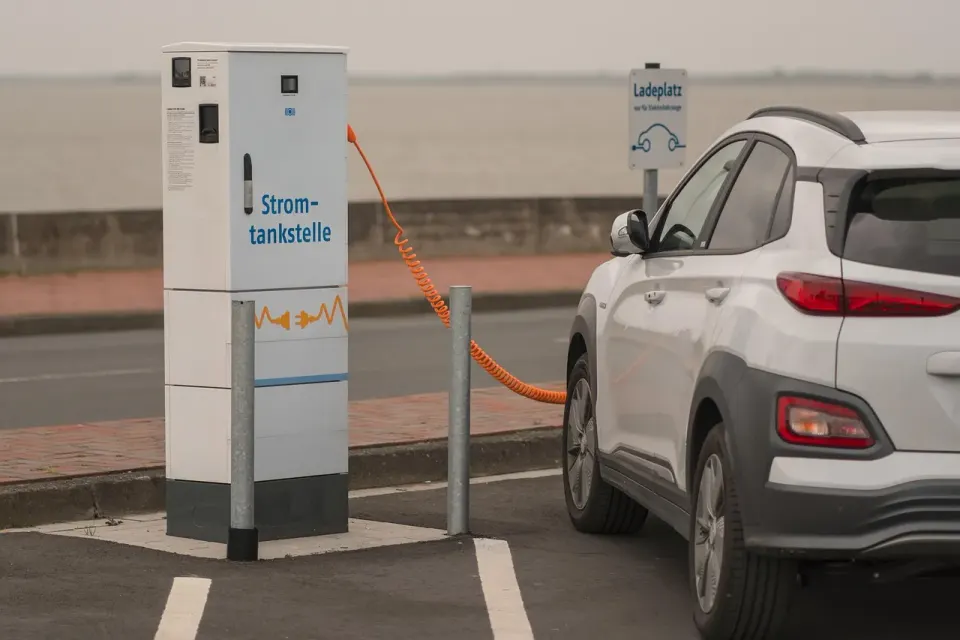
Exposure depends on what is inside your product, not on what the product is called. Look first at goods with permanent magnets, rechargeable lithium-ion cells or graphite parts. Examples include e-mobility products, chargers, power tools, small motors, audio gear and industrial equipment.
Three groups face the most risk:
- Brands that sell products with magnets or lithium-ion cells under their own label.
- Importers that buy components for assembly in another country.
- Buyers with orders scheduled to ship in the weeks after January 10.
Pay attention to that third group. A purchase order signed in November may not ship until late January because of factory scheduling. If the controls return on January 11, the paperwork for that shipment is a license question your supplier never planned for.
A hypothetical shows the risk. Say you ordered 3,000 chargers, with 1,500 ready in December and 1,500 due in late January. The first batch can leave before the deadline. The second batch is exposed, and any license delay may push it past the factory holiday and into the spring. Splitting the order this way takes ten minutes to plan and can save a season.
Also consider the Lunar New Year shutdown, which arrives within weeks of the deadline. Factories finish orders early and then close, so any license delay can push a shipment past the holiday. Our guide to Chinese New Year 2027 factory shutdown dates and order deadlines covers how to set those cut-offs.
What should you ask suppliers about license status?

Ask direct questions and ask for answers in writing. A supplier who answers by phone gives you nothing you can use if a shipment stalls. Start with the products on your open orders, then work through your reorders for the next two quarters.
Put these questions to each supplier:
- Does any part of this product contain rare earth magnets, lithium-ion cells or graphite anode material?
- Which of these items would need an export license if the pause ends on January 10?
- Does the factory hold licenses, or does a component supplier apply for them?
- What is the license processing time, and what happened on past applications?
- How much inventory of the sensitive parts does the factory hold today?
- Which shipments in the order are due after January 10?
Ask for documents as well as answers. Request the supplier's license numbers if it holds any, the tariff code it uses on the commercial invoice, and the name of the maker of each magnet or cell. Compare the code on the invoice to the one your broker will declare. A mismatch at the border is a delay you can prevent at the factory.
Treat vague answers as a warning. A reliable supplier knows the origin of its magnets and cells and can name the sub-supplier. If the factory is a trading company, ask it to get the same answers from the actual maker. Our piece on vetting a Vietnam factory so goods keep their origin shows how to check what a supplier really controls.
Keep the answers in your supplier file. If your order depends on a license, ask for a written shipping commitment tied to a date. Add a clause that lets you cancel or reschedule without penalty if a license delay stops the shipment. A supplier who refuses that clause is telling you something about its confidence.
Should you stock up or add a second source before January 10?
Do both in small steps, and do not panic buy. Buying a large stock of magnets or batteries at a high price can hurt cash flow if the pause is extended again. The better move is to pull forward only the orders that are safe, cheap to store and near term.
Use this order of actions:
- List open orders with magnet, battery or graphite content.
- Move up the shipments that can leave before January 10.
- Get written license answers from every supplier on that list.
- Request quotes for the sensitive parts from one backup supplier.
- Check that your tariff and customs plan covers the alternative source.
- Set a review date in early January to decide on any further changes.
A backup supplier needs vetting before it needs orders. Request samples, ask how the factory sources its own magnets or cells, and run a small trial order before the deadline. A second source that has never shipped to you is not a plan yet. Keep early volumes modest, and pay no deposit until someone independent of the supplier has verified that the factory exists and can make the part.
There is a counterpoint. The pause has been extended before, and it may be extended again. Planning for a return of the controls costs little if you only ask questions and prepare a backup. Overreacting costs more. Match your response to the share of your revenue that depends on the affected parts.
Check section 232 tariff dates too. Our sourcing calendar for the January 2027 Section 232 furniture and cabinet tariffs shows how January deadlines stack up for other categories, and the same discipline applies here.
Conclusion
The extension to January 10, 2027 gives buyers time, but not certainty. The materials are concentrated in one country, the pause is short, and some April 2025 controls were never lifted. Ask the license questions now, get answers in writing, and prepare a backup for any part that matters. Eastern Plays editors checked each date in this guide against the published notice summaries.
Next step: pull your open purchase orders this week and flag every item with magnets, lithium-ion cells or graphite parts. Send those suppliers the six questions above and set a reply date before the end of November.