
US-China Tariff Cut List: 77 Chinese Product Categories and How Importers Should Prepare
The U.S. and China agreed to cut tariffs on about $30 billion of goods each. Here is what is known, what is not, and how to protect your next order.
In this piece 8 sections
The United States and China agreed on September 27, 2026 to cut tariffs on about $30 billion of each other's goods. Washington's list covers 77 Chinese product categories, including toys, tableware, glassware and Christmas ornaments. No rates or start dates have been published yet, so importers should plan for the cut without counting on it.
If you buy household goods, seasonal items or small appliances from China, this deal could matter to your margins. At Eastern Plays, we write for importers who verify before they act. This guide covers what the two governments released, what remains unknown, how the cut might interact with the new forced labor duty, and how to protect your next purchase order.
What Did the U.S. and China Agree To?
The two governments released reciprocal lists of products that may receive more favorable tariff treatment. The U.S. list names 77 Chinese goods, and the Chinese list names 1,619 U.S. goods, according to reporting from Al Jazeera and the Associated Press. Each side's list covers about $30 billion in trade.
U.S. Trade Representative Jamieson Greer described the lists as "non-sensitive goods" that could benefit from better tariff treatment. He said the deal could give American consumers cheaper imports such as household goods and toys. China's Commerce Ministry said rates on more than 90% of the listed products would be set at most-favored-nation (MFN) levels, which would effectively remove country-specific duties.

Different outlets name different examples from the 77 categories. Reports mention fireworks, tableware, glassware, wooden Christmas ornaments, soccer balls, microwave ovens, fish hooks, artificial flowers and weighing scales. C.H. Robinson's October update adds toys, child safety seats, towels and bed linens. The full list sits in an annex that was not reproduced in most coverage, so check the official text for your product.
What Is Still Unknown About the Tariff Cuts?
Three important facts are missing: the new rates, the effective dates and the final product list. C.H. Robinson notes that the reductions will be implemented through each country's legal process. It says timing, the final list and the rates stay uncertain until that happens.
Both governments said the lists can be adjusted, with changes likely once a year. The broader U.S.-China trade truce has also been extended by two months, to January. Leaders are expected to meet again at the APEC summit in Shenzhen in November and the G20 summit in Florida in December.
Analysts are cautious about the effect. Deborah Elms of the Hinrich Foundation told Al Jazeera that the goods listed "do not move the needle on overall trade flows." Some exporters also noted that most Christmas goods have already shipped for this season.

One more risk sits in the background. The U.S. is running a separate Section 301 investigation into excess industrial capacity in China and 16 other trading partners. That probe could lead to new tariffs, so a cut in one place can coexist with a rise in another.
How Could the Cut Interact With the Forced Labor Duty?
The listed goods currently face China's stacked tariffs, including the 12.5% Section 301 forced labor duty that began on July 24, 2026. Whether the new deal removes that duty for listed goods is not clear from public reporting. Treat any claim of a specific final rate as a guess until a notice appears.
Our guide to Section 301 forced labor duties by country shows how that duty stacks with your normal rate. The table below is a hypothetical comparison, not a forecast. It uses a $10,000 order and a 5% MFN rate.
| Scenario | Total duty rate | Duty on $10,000 |
|---|---|---|
| Today: MFN plus forced labor duty | 5% + 12.5% = 17.5% | $1,750 |
| Today: also on an original 25% list | 5% + 25% + 12.5% = 42.5% | $4,250 |
| Hypothetical: MFN rate only | 5% | $500 |
The gap between the first and last rows is large enough to change a pricing decision. That is why the details matter. It is also why you should not bank on the last row until a Federal Register notice or a CBP message confirms it.
How Should Importers of Listed Goods Prepare?
Prepare by identifying your exposure, keeping your orders on schedule and writing flexibility into your contracts. You do not need to guess the final rates. You need to be ready to act within days of the official notice.

Start with a short list of actions you can take this week.
- Match your products to their Harmonized Tariff Schedule (HTS) codes, using our guide to finding your HTS code if you are unsure.
- Compare those codes with the lists once the official annex is available.
- Calculate your landed cost at today's rates and at an MFN-only scenario.
- Ask your broker how CBP will handle entries made before and after the effective date.
- Talk with your supplier about price changes in either direction.
Our explainer on Section 301 exclusions expiring in November 2026 covers a separate date that could raise costs on some products. Check both calendars together, because the dates may overlap. A cut on one line item can be offset by a lost exclusion on another.
Why This Deal Is Smaller Than It Looks
The deal covers about $30 billion each way. U.S. imports from China were roughly $270 billion in the first eight months of 2026, according to BNP Paribas Wealth Management figures cited by the Associated Press. That puts the listed goods at a modest share of the total, and the list leaves out the biggest categories.
Chips, electric vehicles and batteries are not on it. For an importer of tableware or toys, the news may still be good. For an importer of electronics, it changes little. Know which side of the line your products fall on before you rework your plans.
Should You Delay Orders and Wait for Lower Tariffs?
No. Delaying a purchase order to wait for a tariff cut is a gamble with poor odds. Production slots fill, freight rates move and a missed season can cost more than any duty saving. Order on your normal schedule, and build in the right to adjust prices if rates change.
Duty is charged at the time of entry, so the rate in force when the goods enter the U.S. generally applies. If a cut takes effect after your goods arrive, you should not assume a refund for entries that already cleared. Ask your broker what the notice says when it appears.
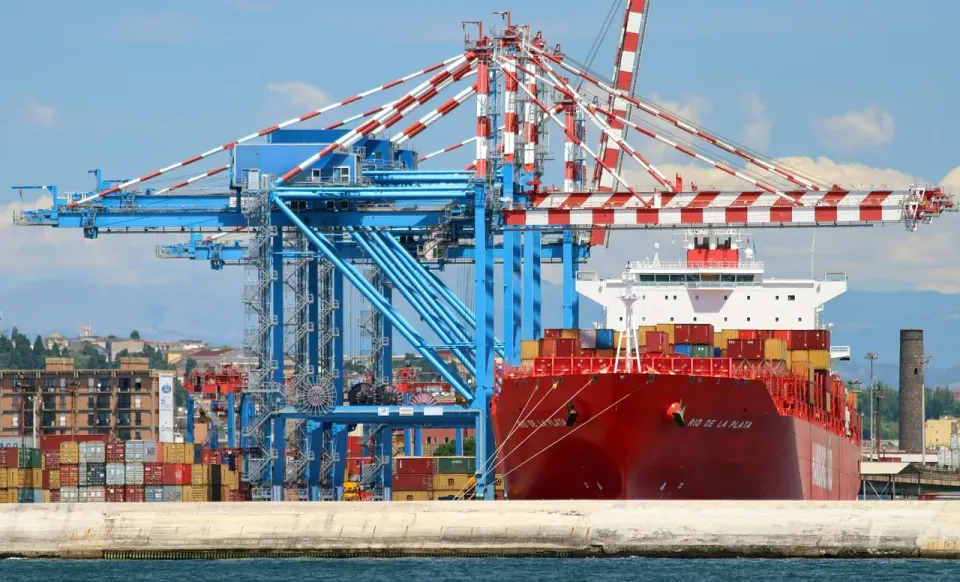
A short price-adjustment clause can protect both sides. It lets the buyer and seller share the benefit of a lower tariff or the burden of a higher one. Agree on the formula before you sign, not after the rate changes.
What Should You Ask Your Supplier Right Now?
Your supplier may already know more than the headlines say. Chinese factories hear about product lists through trade associations and local officials, often before U.S. buyers do. A direct question can save weeks.
- Is your product on the Chinese government's published export list for this deal?
- Would you share part of any tariff saving in the price?
- Will you hold production slots if my order moves by two weeks?
- Can you state the HTS code and origin on every commercial invoice?
Treat every answer as information, not as a promise. A supplier who says a cut is certain is guessing. A supplier who says they will watch the notice and call you the same day is more useful.
Freight Still Matters More Than You Think
While tariffs get the attention, freight can swing your landed cost just as far. Our look at container freight rates from China after Golden Week shows how to budget for the leg that comes after the factory. A tariff saving of a few points can disappear in a single rate spike.
Build both numbers into one sheet. When a tariff notice arrives, you update one cell and see the new landed cost for every product at once.
Does This Change Where You Should Source?
For most buyers, no. A tariff cut that may arrive in a few months is a weaker reason to move production than the cost of a new factory. If your supplier is reliable, a lower rate simply improves your margin. If your supplier is a problem, no tariff cut will fix it.
Buyers who were already exploring other countries should keep going. Our piece on China plus one and Vietnam factory vetting covers how to check a new factory before you move volume. Diversifying also protects you from the next round of changes, whichever direction they go.
Eastern Plays editors checked this summary against reporting from Al Jazeera, the Associated Press and C.H. Robinson as of October 23, 2026. The Office of the U.S. Trade Representative publishes official notices, and the USITC tariff search shows current rates by HTS code. This article is general information, not customs or legal advice.