Lunar New Year 2027 Factory Shutdown: A QC Checklist for Importers
China's Spring Festival break starts February 5, but factories stop earlier. Here is when to inspect, ship and check the restart.
In this piece 7 sections
China's official Spring Festival holiday runs February 5 to 13, 2027, but most factories stop weeks earlier and restart weeks later. Book your final inspection for mid-January, ship before the carrier cutoffs, and plan a first-article check after restart. Expect about four weeks without normal output, and order buffer stock now.
The Lunar New Year 2027 factory shutdown arrives 11 days earlier than in 2026. That moves every deadline forward. This guide is for importers and ops managers who buy finished goods from China and Southeast Asia and want the goods checked before the factory closes. At Eastern Plays, we cover sourcing, shipping and quality control from Asia, and this is the quality-control view of the holiday.
When does the Lunar New Year 2027 factory shutdown start?
Most factories in China start winding down in mid-January 2027 and are fully closed by early February. The government break itself covers February 5 to 13. Production usually does not return to normal until late February or March.

The State Council set the 2027 schedule in early November. China's official 2027 public holiday list gives the Spring Festival as a nine-day break from February 5 to February 13. Lunar New Year Day itself falls on Saturday, February 6.
The official calendar also adds make-up workdays. The Beijing municipal government lists January 31 and February 14 as working Sundays. Some factories use those days. Many do not, so ask.
The real shutdown is longer than the official one. Migrant workers leave days before the break and return over the following weeks. Freight forwarder Jade International puts the full disruption at four weeks or more of closed or reduced operations. Use that number for planning, not the nine days.
Not every supplier follows the Chinese calendar. Vietnam observes Tết, and South Korea's Seollal falls on February 7, 2027. If you buy from several countries, collect each factory's own dates. Do not assume one Asia-wide closure.
What should a pre-holiday inspection cover?
A pre-holiday inspection should confirm that finished goods match the approved sample, the order quantity and the packing spec before the factory closes. It should also record any defects while the factory still has staff, materials and time to fix them.

Timing matters more than usual. A defect found on January 12 can be reworked before the break. The same defect found on February 20 waits for a restarted line, a returning crew and a new shipping slot. That can cost an extra month.
Put a final random inspection on the calendar for the first half of January. Use the AQL sampling plan from your purchase order. If the order has no plan, add one before you pay the deposit. For most consumer goods, importers set a tighter limit for critical defects than for minor ones.
Check these items on every pre-holiday inspection:
- Quantity produced against quantity ordered, by SKU and color.
- Workmanship against the golden sample, including stitching, finish and fit.
- Function tests, such as battery runtime, seals or load limits.
- Carton labels, barcodes and marks required for your destination.
- Packing: drop-test the master carton and confirm the carton count per pallet.
Keep the test paperwork current too. A manufacturer or importer of a children's product must use a third-party, CPSC-accepted laboratory to test it for compliance, according to the Consumer Product Safety Commission (CPSC). Labs in China also slow down around the holiday. Our product testing plan for Asian imports shows what to test and when. For the paperwork side, see this QC checklist for eFiling certificates and test reports.
How do you get cargo out before the carrier cutoffs?
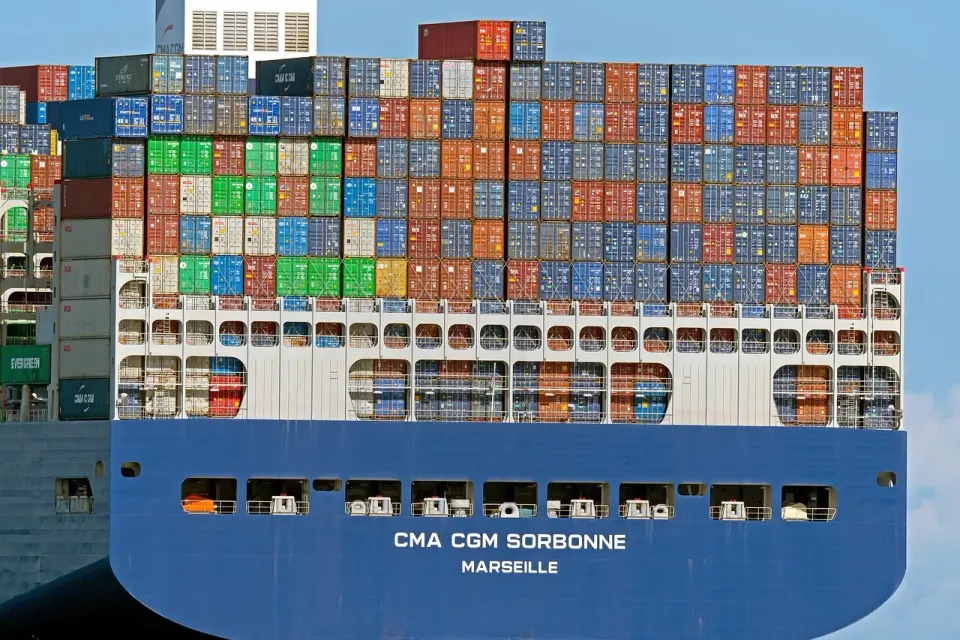
Book space now, aim to have goods leave the factory three to four weeks before February 6, and treat the last January sailings as high risk. Carriers roll cargo when space runs out, and rolled cargo arrives after the closure, not before it.
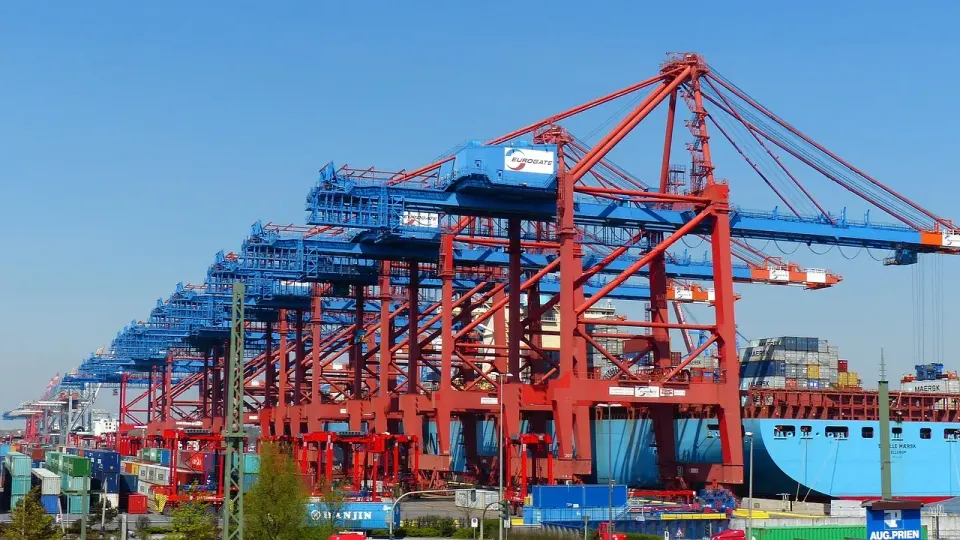
Ocean freight tightens first. Exporters rush to ship before closures, vessel space fills, and rates climb. Trucking inside China also thins out as drivers go home. Air freight gets the overflow from missed ocean cutoffs and costs more at peak.
Work backward from the date you need goods on the shelf. Take the transit time, add a week for port and customs delays, and add the inspection window. If the result lands after mid-January, you are already late for a full pre-holiday shipment. Split the order instead. Ship the finished SKUs now and move the rest after restart.
Read the surcharge lines on your quote before you book. Peak-season fees and fuel charges can change the landed cost of a tight shipment. Our guide to reading fuel surcharges on a freight quote explains each line.
Make sure the inspection report is signed off before the goods are loaded. Pay the balance against a passed report, not against a booking confirmation. Once the container leaves, your leverage over the factory leaves with it.
Who should run the pre-holiday inspection?
Use an independent inspector or your own QC person, not the factory's quality team alone. The factory's staff report to the factory, and in the rush before closure they face pressure to pass goods. An outside inspector has no reason to bend the result.
Inspectors book up fast in January. Reserve dates in early December and name a backup day in case production runs late. Give the inspector the purchase order, the golden sample, the spec sheet and the AQL levels in one file. A vague brief produces a vague report.
Ask for the report within 24 hours, with photos of every defect category. If the result is a fail, you still have time to demand rework and a re-inspection before the break. That option disappears after the factory closes.
What can go wrong while the factory is closed?
Three problems show up most often during the closure: unfinished orders that sit idle, goods stored in poor conditions, and staff who do not come back. Each one can be reduced with a written plan agreed before the factory closes.
Unfinished work is the biggest risk. A half-built order stops mid-line and waits. When the crew returns, some workers are new, and the process is rebuilt from memory. Quality often dips in the first weeks. Ask the supplier which orders will be in progress at closure and what the restart plan is.
Storage is the second risk. Finished cartons may sit in a warehouse for weeks. In humid regions, that means mold risk for textiles, paper and wood. Ask for desiccant in the cartons and for pallets to be kept off the floor.
The third risk is turnover. Factories often lose a share of their workforce after the holiday and recruit replacements. A new crew needs a few days to reach normal speed and quality. This is why a first-article check matters after restart.
How do you restart production without a quality slip?
Ask the supplier for a first-article sample from the restarted line before approving full production. Compare it to your golden sample and check three things: dimensions, finish and function. Approve the run only after you have seen the sample and the photos.
Plan the restart in writing. Confirm the date the line starts, the date raw material is back in stock, and who is on site. Ask for photos of the line on day one. If you work with a local QC person, send them to the factory in the first week after reopening.
Build a buffer for the gap. Bring in extra stock of your best sellers before the holiday, because new orders placed after the break will not ship until March. Order stock for roughly six to eight weeks of sales beyond your normal reorder point. Adjust the figure to your sell-through.
The supply chain around the factory restarts slowly too. Component makers, printers and carton suppliers return on their own timetables. A factory with a full workforce still cannot run without materials. Ask which inputs are bought in and when each supplier reopens.
The table below shows a simple QC calendar to adapt to your own orders. Dates are approximate and depend on each factory.
| Window | QC action | Owner |
|---|---|---|
| Now to December 15 | Confirm closure dates and in-progress orders | Buyer |
| January 4 to 15 | Final random inspection on finished goods | Inspector |
| January 15 to 25 | Rework, re-check and load containers | Factory and forwarder |
| February 5 to 13 | Official holiday; no approvals possible | Nobody |
| Late February | First-article check on the restarted line | Inspector |
| March | In-line checks during the first full runs | Inspector |
Conclusion: put the inspection date on the calendar today
The Lunar New Year 2027 factory shutdown is predictable, which makes it manageable. Get closure dates in writing, inspect in the first half of January, ship before the cutoffs, and check the first articles after restart.
The next step takes ten minutes. Eastern Plays suggests you email each supplier today and ask for three dates: last production day, last shipping day and full restart. Then book your inspector before their January diary fills up.