Foreign Importer of Record Rule 2027: What CBP's Jan. 5 Change Means for Asia Importers
CBP's new rule redefines who counts as a U.S. importer of record. Here is who it hits, what changes on every entry and what to check before January 5.
In this piece 9 sections
The foreign importer of record rule from U.S. Customs and Border Protection (CBP) takes effect January 5, 2027. A U.S. company counts as a domestic importer only if U.S. persons own and control at least 51% of it, or it holds significant U.S. real property. Every other importer is foreign and needs a CTPAT-validated broker.
This explainer is for small and mid-sized importers who buy from Asia and clear goods into the United States. It covers who the rule hits, what changes on each entry, and what to do before the effective date.
Eastern Plays covers sourcing, shipping and customs for Western businesses buying from Asia, and this rule changes who can file entries at all.
What Does the Foreign Importer of Record Rule Change?
The rule redefines who counts as a U.S. importer of record. An entity must be organized and located in the United States, and either have at least 51% U.S.-person beneficial owners who control it or hold significant U.S. real property. Everyone else is a foreign importer of record and needs a CTPAT-validated broker.
CBP published the interim final rule on November 6, 2026, under the title Heightened Requirements for Foreign Importers of Record in the Federal Register. The law firm Mayer Brown explains that the rule implements part of Executive Order 14411, Strengthening Customs Enforcement. Comments are due on January 5, 2027, the same day the rule takes effect.
The aim is duty collection. Wiley's analysis says CBP has had trouble identifying, monitoring and collecting duties and penalties from foreign importers. A shell importer that cannot be reached after an entry is the typical concern.
Who Counts as a U.S. Importer of Record Under the New Test?
An individual qualifies if they are a U.S. citizen or lawful permanent resident. An entity has to pass two tests: organized and located in the U.S., and one of the ownership or property tests. The ownership test looks at beneficial owners, meaning the real people who control the company or own at least 25% of it.
The property test is harder to meet. CBP's FAQ guidance puts a "significant amount" of unencumbered U.S. real property at 100% of the prior year's entered value or $20 million, whichever is greater. Most small importers will not pass it, so the 51% ownership test is the main route.
The table below shows how common setups are likely to land. This is our reading of the rule, not a CBP ruling, so confirm with a licensed broker or customs attorney.
| Setup | Likely status | Why |
|---|---|---|
| U.S. LLC owned and run by U.S. citizens | U.S. IOR | Passes the 51% beneficial owner test |
| U.S. LLC owned by a founder living abroad | Foreign IOR | Fails the ownership test unless it owns enough property |
| U.S. subsidiary of an Asian parent | Likely foreign IOR | Foreign natural persons control it |
| Supplier's U.S. shell used for delivered duty paid (DDP) sales | Likely foreign IOR | Little U.S. ownership or physical presence |
Wiley notes that simply incorporating a subsidiary in the United States will not qualify it. CBP can also verify status using the principal place of business, physical operations, assets, profitability and capitalization. Status can change from year to year if ownership or assets change.
Here is a worked example from our own reading of the rule. A Delaware LLC imports $600,000 of goods a year, and its only owner is a Canadian citizen living in Vancouver. The LLC fails the 51% U.S.-person test.
It could try the property test, but the threshold is the greater of the prior year's entered value or $20 million. That means $20 million here. The LLC will almost certainly be a foreign importer and will need a CTPAT-validated broker.

What a Foreign Importer Must Do Starting January 5
A foreign importer may enter goods for consumption only if it is CTPAT validated, or if it designates a CTPAT-validated licensed broker to file the entry or act as importer. CTPAT is the Customs Trade Partnership Against Terrorism, a voluntary CBP program for certified supply chain security.
Mayer Brown says that currently only Canadian importers can be CTPAT validated as foreign importers. That means most foreign importers will need a third-party validated broker. If the foreign principal does not own or purchase the goods, the broker must act as importer of record, not merely file the entry.
Expect this to change costs and speed. A broker acting as importer takes on risk, so it may charge more, ask for more documents and require a larger bond. Mayer Brown flags higher bonding requirements and supply chain delays as the operational risks that land on the importer. Our explainer on customs bond insufficiency notices under stacked tariffs shows how fast a bond can become a bottleneck.
The New Status Declaration on Every Entry
Every importer of record, foreign or domestic, must check a new box on CBP Forms 3461 and 7501. The box declares U.S. or foreign status. It applies to every entry and entry summary filed on or after January 5, 2027.
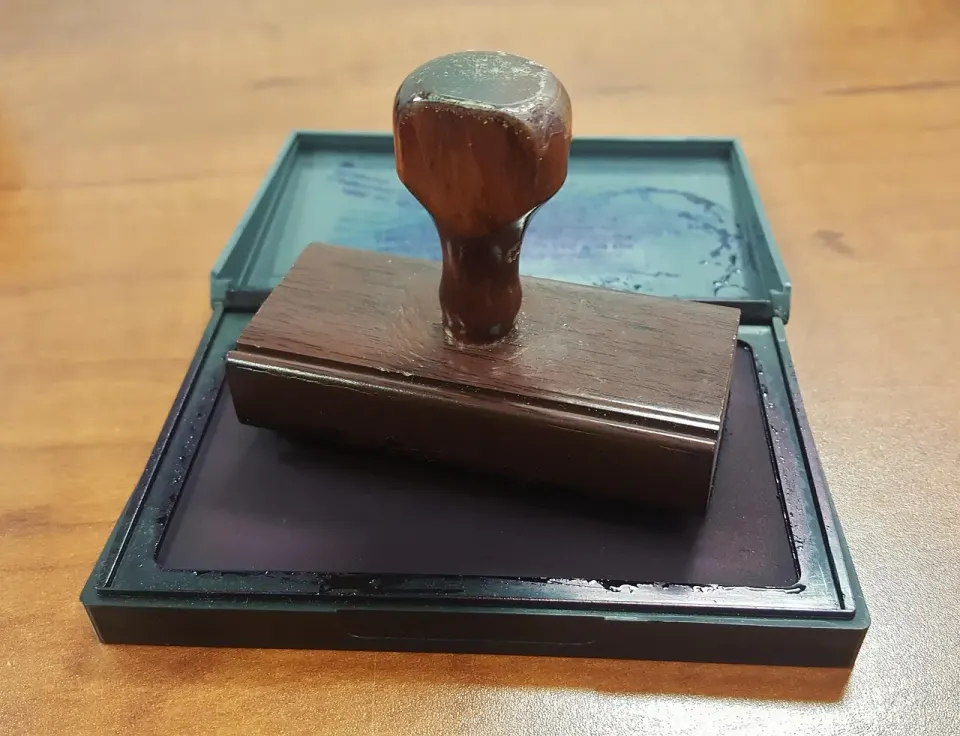
An inaccurate declaration has real consequences. CBP may require live entry and suspend immediate delivery privileges. Live entry means a shipment waits for CBP review before it is released, which can add days at the port and storage charges.
The status box also adds to the paperwork you already manage. Our guide to Form 5106 checks and the November 30 deadline covers the importer-identity data CBP is already tightening. Keep both lists in the same file.
Why Broker Liability Reaches Your Business
Brokers carry more risk under the rule, and they will push it down to clients. Before declaring a client a U.S. importer, a broker must review records proving that status and keep them for at least five years. A broker that is not CTPAT validated must stop filing for a client that fails the test.
CBP also changed penalty guidelines so brokers may face penalties under 19 U.S.C. § 1592, which can reach the domestic value of the merchandise. The older cap under 19 U.S.C. § 1641 was $30,000. Brokers may request delayed compliance with the verification requirement, but all brokers are expected to comply fully by May 6, 2027.

In practice, expect onboarding questions. Your broker may ask for formation documents, an ownership chart, and the names of anyone holding 25% or more. Answer promptly, because a broker that is not CTPAT validated must stop filing for a client that fails the test.
What If Your Supplier or Forwarder Is the Importer of Record?
Many Asian suppliers sell DDP and clear goods under their own U.S. entity or a forwarder's number. The new rule makes that arrangement harder to sustain, especially if the entity is a thinly staffed shell.
Ask a direct question: who is the importer of record on my shipments? If the answer is a supplier's company, confirm that it can pass the test or use a CTPAT-validated broker. Otherwise your January shipments could stall.
Mayer Brown notes that the new rules do not replace the existing nonresident importer regulations. In practice, nonresident importers become a kind of foreign importer under the new framework. Switching to your own entity as importer may give you more control, but only if you qualify.
A Six-Step Checklist Before January 5
At Eastern Plays, we recommend working through these steps in order, starting this week.
- Decide whether your company is a U.S. or foreign importer using the 51% beneficial owner test.
- Gather formation documents and an ownership chart that names every owner of 25% or more.
- Ask your broker whether it is CTPAT validated and how it will verify your status.
- Find out who is importer of record on any shipment bought on DDP terms.
- Check your continuous bond amount with your surety, since a broker acting as importer may want more.
- Build extra days into January and February shipments, because live entry could add delay.
Timing is tight. January 5 lands as many Asian factories slow down ahead of the holiday, a calendar covered in our post on Chinese New Year 2027 factory shutdown dates. Cargo that ships late in the window will arrive under the new rules.
What Is Still Uncertain
This is an interim final rule, so CBP may change it after comments. Terms like "significant amount" came with FAQ guidance rather than the regulation text. Some details may move.
The rule may also hit some businesses that are not evading anything. A legitimate small importer owned partly by foreign partners could fail the 51% test. Those owners should talk to a customs attorney early rather than hope CBP does not look.
Brokers have some breathing room. Delayed compliance on client verification runs to May 6, 2027. Do not rely on that, because the status box on entries starts January 5 regardless.
Conclusion: Confirm Your Status Now
The foreign importer of record rule rewrites who can file entries into the United States. Check your ownership, confirm your broker's CTPAT status, and ask who is importer on every DDP shipment. Landed cost and delivery dates in early 2027 depend on getting this right before January 5. For landed-cost planning, see our note on FY2027 customs user fees and landed cost.