Section 301 Exclusions Extended to January 9, 2027: What China Importers Should Do
USTR kept all 178 China exclusions alive for two more months. Here is how to check your goods, claim the relief and plan for the cliff on January 9.
In this piece 6 sections
The Office of the U.S. Trade Representative (USTR) extended all 178 Section 301 exclusions on Chinese goods through January 9, 2027. The notice, published November 10, 2026, replaces the November 9 expiration. Goods that match an exclusion's exact description still skip the extra duty on entries inside that window. After January 9, the exclusions lapse unless USTR acts again.
Eastern Plays covers what Western importers need to know about buying from Asia, and this change touches anyone who enters Chinese-origin goods on the exclusion list. This guide is for importers, sourcing managers and operations leads. It explains what the notice did, which products it covers, how to claim an exclusion and how to plan around the next deadline.
The extension is short, at about two months. That is long enough to clear a few shipments and short enough that a second cliff is already on the calendar.
What Did USTR Change in the Section 301 Exclusions Notice?

USTR replaced the November 9, 2026 expiration date on all 178 current exclusions with January 9, 2027. The change took effect on November 10, 2026. It does not alter duty rates or add products. It keeps relief in place for goods that already qualified while USTR keeps talking with China.
Section 301 of the Trade Act of 1974 lets USTR act against another country's trade practices. USTR used it to put extra duties on four tranches of Chinese goods in 2018 and 2019. The exclusions carve specific products out of those duties, one description at a time.
The agency gave one reason. In the Federal Register notice, USTR cites ongoing discussions with China. It also says it may consider further extensions or additional modifications. That is all it says about the outlook.
These exclusions have been renewed in short steps for years. USTR extended 164 of them in May 2024 and announced 14 solar manufacturing equipment exclusions in September 2024. Later notices moved the end date to August 31, 2025 and then November 29, 2025. After the November 2025 trade deal between the two presidents, USTR extended the 178 exclusions to November 10, 2026. The latest notice follows the same pattern.
Eastern Plays' editors read the pattern as a reason to plan for both outcomes. Another extension is possible. A lapse is also possible, and the notice gives no promise either way.
Which Products Do the 178 Exclusions Cover?

The 178 exclusions fall into two groups. A set of 164 previously reinstated exclusions sits under Harmonized Tariff Schedule of the United States (HTS) heading 9903.88.69. Another 14 exclusions for certain solar manufacturing equipment sit under 9903.88.70. Each one covers only products that match its written description.
The customs broker GHY's summary confirms that split. It also notes that the extension applies to qualifying goods entered on or after November 10, 2026. Read both documents before you assume a product is covered.
Scope is narrow. The notice does not list the products. It says each exclusion is governed by the ten-digit HTS statistical reporting number and the product description in U.S. notes 20(vvv)(i) through 20(vvv)(iv) and 20(www) to subchapter III of chapter 99. A statistical reporting number is the last digits of the code that customs uses to track trade by product.
The 14 solar exclusions have a narrower audience. They cover certain solar manufacturing equipment, which means factory tools rather than finished panels. Buyers outfitting a solar production line should check that group first. Everyone else can focus on the 164.
A product that is merely similar does not qualify. Most exclusions from the original program ended in 2019 and 2020, so the surviving list is small next to the full Section 301 tariff schedule. If your goods are not on it, nothing in this notice helps you.
How Do You Claim a Section 301 Exclusion Before January 9, 2027?
Confirm that your goods match an exclusion description. Then have your broker report the correct Chapter 99 heading on the entry, with an entry date between November 10, 2026 and January 9, 2027. USTR left implementation details to U.S. Customs and Border Protection (CBP), so watch for its guidance before you file.
Work through these steps for each product line:
- Pull the ten-digit HTS number from your most recent entry summary.
- Compare your product description with the exclusion text, word for word.
- Ask your broker whether the entry will report 9903.88.69 or 9903.88.70.
- Check CBP's guidance messages before the first filing.
- Track the entry date, not the ship date, for every container.
Keep a file for each entry. Include the product spec sheet, the supplier's description and your reasoning for the HTS number. If CBP asks why you claimed an exclusion, that file is your answer. A claim only holds when the goods match the written text.
The date rule trips up buyers who think in purchase orders. Ocean transit from China to a U.S. port takes weeks. A container loaded in late December can arrive after the window has closed. Ask your broker which date applies to your entry type, because bonded warehouse moves can change it.
Your broker files under your importer-of-record number, so make sure it is valid. Our report on importer of record rules and the Form 5106 checks covers a related November deadline that can stall an entry.
What Happens to the Section 301 Ship Fees and Crane Duties?
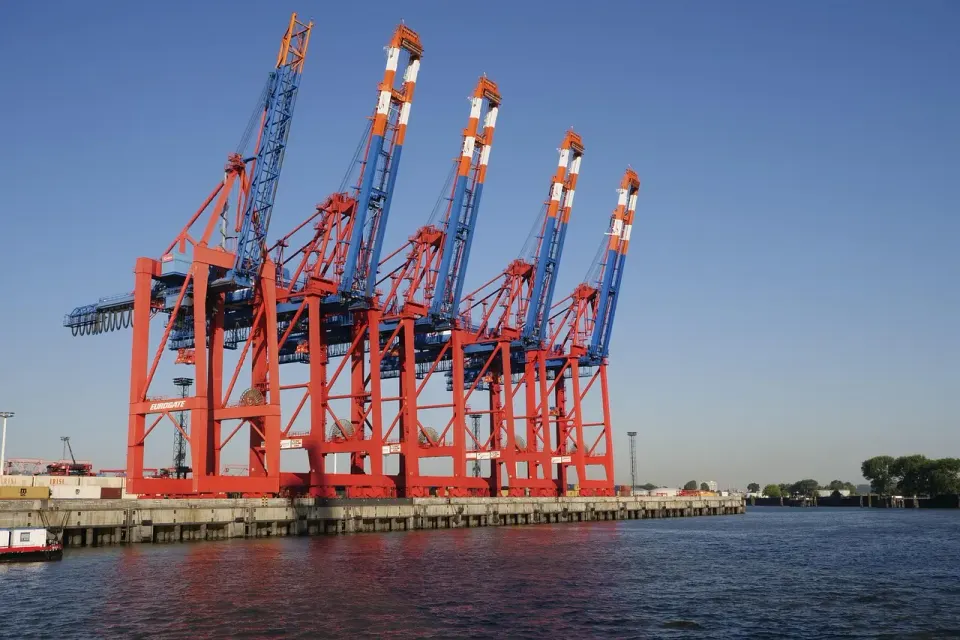
They stay suspended too. USTR finalized a two-month extension of its suspension of Section 301 port fees on maritime transport services and the extra duties on ship-to-shore cranes and other Chinese cargo handling equipment. No party accrues liability for those charges during the suspension, which runs through January 9, 2027.
Law firm Holland & Knight's alert adds some detail. USTR drew about 60 unique comments on the proposal. Supporters wanted to avoid higher shipping costs. Opponents argued the fees help build U.S. shipbuilding. The firm calls the extension short-term relief, not a resolution.
Cranes are a niche import, and most buyers will never touch them. Still, the same alert says the comment record suggests the crane duties could be split from the port fees. If that happens, the two could return on different tracks and different dates.
The legal text has one quirk. The amended HTS headings 9903.91.12 through 9903.91.16 now say January 10, 2027, which is the same moment the January 9 window closes. Do not read it as an extra day.
For importers, the practical question is who pays if the fees return. Check whether your freight contract passes port fees through to you. Our earlier guide on what importers should check on China ship fees was written before this extension, but its checklist still holds.
What a Lapse Would Cost: A Worked Example
A lapse changes landed cost on entry day, so run the numbers before the deadline. The table below uses an invented shipment of excluded goods with a declared value of $80,000. The 25% rate is an assumption for illustration only, so substitute the rate on your own HTS line.
| Scenario | Entry date | Section 301 duty at an assumed 25% |
|---|---|---|
| Inside the window | January 5, 2027 | $0 |
| Last day of the window | January 9, 2027 before 11:59 p.m. ET | $0 |
| After a lapse, no new extension | January 12, 2027 | $20,000 |
| After another extension | January 12, 2027 | $0 |
The gap is $20,000 on one shipment. A buyer who enters six such shipments a year faces a six-figure swing. Duties that return suddenly also strain your continuous bond. Our piece on customs bond insufficiency notices and stacked tariffs shows how a bigger duty bill can trigger a demand for more security.
How Should Importers Plan Past January 9?
Build two landed-cost sheets for every excluded product. One assumes the exclusion continues. The other assumes it lapses and the full Section 301 duty applies. Price your reorders against the worse case until USTR says otherwise.
Then sort your open orders by expected entry date. Shipments that can clear before January 9 should move first. Ask suppliers about early production slots, and ask your forwarder for firm sailing dates rather than estimates. Every week of slippage matters more near a cutoff.
Put the deadline into your purchase orders. Ask each supplier to confirm production and cargo-ready dates in writing. Agree up front who bears the cost if a delay pushes the entry past January 9. Vague terms here turn into arguments later.
Also keep a note of who handles what. Your broker owns the entry filing. You own the product match and the date. Your forwarder owns the sailing. A missed handoff costs more than any rate.
Some sellers face a different clock. Mail-based sellers from Asia have their own rule change, covered in our report on Entry Type 13 and the January 20, 2027 deadline. The two dates sit close together, so plan them as one calendar.
The bottom line is simple. The relief is real but short. Match your goods to the exclusion text, watch the entry date and keep a fallback cost ready for January 10. This article reflects the sources cited as of November 16, 2026, and it is general information, not legal advice. Confirm product scope with a licensed customs broker.