EU PFAS Limits in Food Packaging: A QC Plan for Asian Suppliers
Since August 12, 2026, the EU restricts PFAS in food-contact packaging. If your cups, boxes or wraps come from Asian factories, a supplier declaration alone will not cover you.
In this piece 8 sections
The EU now restricts PFAS in food-contact packaging, and the rule has applied since August 12, 2026. If you import cups, boxes, wraps or trays from Asian factories, ask for a declaration, then back it with lab tests on finished packaging before the next shipment.
This guide is for importers and brand owners who sell packaged food, takeaway items or food-contact packaging into the EU from Asian suppliers. It covers the three PFAS limits, which products carry the most risk, and a practical quality control plan. Eastern Plays covers quality control, sourcing and shipping for Western businesses working with Asian factories, and packaging is the quiet corner where chemical rules tend to surprise people.
What the EU Packaging Regulation Changed on August 12, 2026
The European Commission's packaging waste page confirms the Packaging and Packaging Waste Regulation (PPWR) has been in force since February 11, 2025 and applies from August 12, 2026. It replaces the 1994 Packaging Directive. The Commission published guidelines in March 2026 and FAQs in August 2026.
Law firm Latham and Watkins notes that from August 12, 2026, food-contact packaging containing PFAS above set limits cannot be placed on the EU market. Importers are companies that place packaging or packaged products from outside the EU on the market. Non-EU companies must comply and may need an EU authorised representative.

PFAS are a large family of chemicals often called forever chemicals because they do not readily break down. Factories use them to make paper and board resist grease or water. That is the link to your supply chain.
What Are the Three PFAS Limits?
Three concentration limits apply to the same packaging at the same time. The testing group Analytical Group summarizes them in its guide to the PPWR PFAS limits. Meeting one limit does not excuse failing another.
| Limit | Value | How it is measured |
|---|---|---|
| Any single PFAS | 25 parts per billion | Targeted analysis, polymers excluded |
| Sum of PFAS | 250 parts per billion | Targeted analysis after pre-degradation, polymers excluded |
| Total PFAS | 50 parts per million | Total fluorine, including polymers |
The same source says compliance is assessed on the packaging unit as a whole, and that meeting the total fluorine limit does not exempt packaging from the individual and sum limits. Sources differ on how some of these values are phrased, so confirm the exact wording of Article 5(5) of Regulation (EU) 2025/40 with your lab or counsel.
Which Asian-Made Packaging Is Most at Risk?
Look first at anything built to resist grease or water. The Analytical Group flags paper and board for fatty foods, takeaway containers, oil-repellent or water-repellent materials, and packaging with barrier coatings. These are the items where a factory may have used PFAS on purpose.
Lower-risk items include plain uncoated paper, glass and metal with no coating. Lower risk is not zero risk, because inks, adhesives and recycled fiber can add traces. Ask each factory to describe every layer, coating and additive in the product.
Here is a simple way to sort your range.
- High priority: grease-proof wraps, burger boxes, microwave popcorn bags, coated trays.
- Medium priority: coated paper cups, fiber bowls with a water barrier, laminated pouches.
- Lower priority: uncoated paper bags, plain glass jars, bare metal cans.
Test the high-priority group first. Move down the list as budget and lab time allow.
How Should You Test Food Packaging From an Asian Factory?
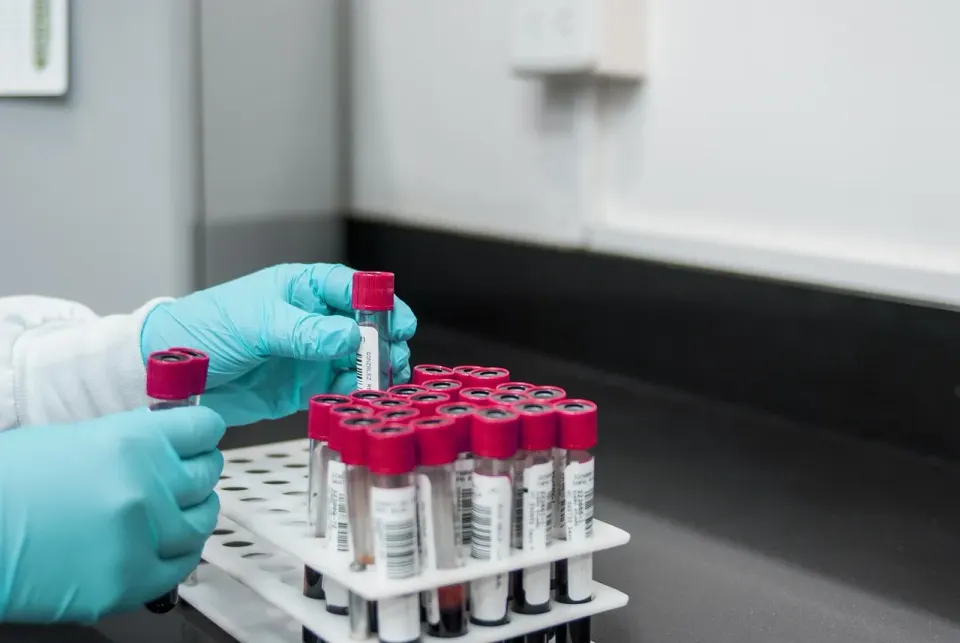
Start with a supplier declaration, then test finished packaging at an independent lab. The Analytical Group says declarations are part of the evidence but a broader verification strategy is still needed. It also suggests total fluorine as a possible starting point for controls, since no harmonised European testing protocol exists yet.
Here is a four-step plan that fits a small importer.
- Send each supplier a written form asking for coatings, additives and any PFAS-free statement.
- Pick a sample of finished packaging from the actual production lot, not a hand-made sample.
- Run a total fluorine screen first, then targeted tests on any item that looks borderline.
- File the lab report with the lot number, date and photos of the sample.
The word finished matters. A pre-production sample can pass while the mass-production batch uses a different coating. Pick samples at inspection, seal them yourself or through your inspector, and ship them to the lab.
If you already use third-party inspectors, add chemical sampling to their checklist. Our guide on paying a sourcing agent or QC inspector in Asia covers how to scope that work, and our calendar for the Chinese New Year 2027 production and inspection timeline shows when lab slots tend to disappear.
Budget and timing deserve a plain word. Testing costs money and takes time, and prices and turnaround vary by lab, so get quotes from two or three before you commit. Rush service usually costs more. Build that lead time into your purchase schedule so a test never holds up a ship date.
What Goes in the Supplier File
A supplier file is your evidence if an authority asks questions. Keep it dated, organized and easy to hand over. At Eastern Plays, our editors suggest one folder per supplier and one subfolder per product.
Put these items in each folder.
- The signed supplier declaration with coating and additive details.
- The lab report with method, limit values and lot number.
- Photos of the sampled packaging and the inspection record.
- A change log noting any new board grade, coating or ink.
Update the log whenever a factory changes materials. A quiet switch to a cheaper coating is the classic way a compliant product turns into a failing one. Contract language should require the factory to tell you before it changes anything that touches the food side.
The same file can serve other rules. If your packaging uses paper or wood fiber, see our guide to the EU Deforestation Regulation supplier checklist, because both rules ask for origin and material data from the same factories. For product-level liability paperwork, our note on the EU Product Liability Directive QC file shows how to keep it all in one place.
What to Do When a Test Fails
A failed result is a data point, not a disaster. Stop the shipment, tell the factory in writing and ask what changed. Then work through the cause in order.
- Confirm the sample came from the production lot and was sealed properly.
- Ask the lab whether the failure was on the single, sum or total limit.
- Ask the factory for its coating, board and ink records for that lot.
- Retest a second sample from the same lot, ideally at a different lab.
- Decide on rework, replacement with a PFAS-free material, or cancellation.
Most failures trace back to a coating or a recycled fiber input. A factory that cooperates will name the supplier of that input within a day or two. One that stalls has told you how it will behave in the next dispute.
Questions to ask the lab before you book
Labs differ in method and speed, so check these points first.
- Which method do you use for total fluorine and for targeted PFAS?
- Is the lab accredited for food-contact materials?
- What is the turnaround time, and is a rush option available?
- Will the report state the limit values and the lot number?
Lab time tightens before big holidays, so book early. Ask whether the lab accepts samples from your inspector directly, which saves a week of shipping through your own office.
Handling Stock and Open Orders
Stock timing is the most common practical question. Packaging first placed on the EU market after August 12, 2026 must comply, while packaging already on the market earlier is treated differently. Ask your lawyer to confirm how that applies to goods in your warehouse and on the water.
For open orders, add the PFAS requirement to the purchase order in plain words. State the three limits, require a lab report per lot and say what happens on a failure: rework, replacement or refund. A clear clause saves arguments later.
Budget for the tests. A screen on a handful of products is a small cost compared with a blocked shipment or a withdrawn product line. Start with your best sellers and build outward.
Conclusion
The PFAS limits are a chemistry problem that lands on your quality control desk. Sort your range by risk, ask for declarations, test finished packaging and keep the evidence in a dated file.
Your next step is small. List every food-contact item you import into the EU and mark the ones that resist grease or water. This article reflects public sources current as of October 28, 2026, and is general information, not legal advice. Confirm limits and scope with your lab or counsel before relying on any figure.