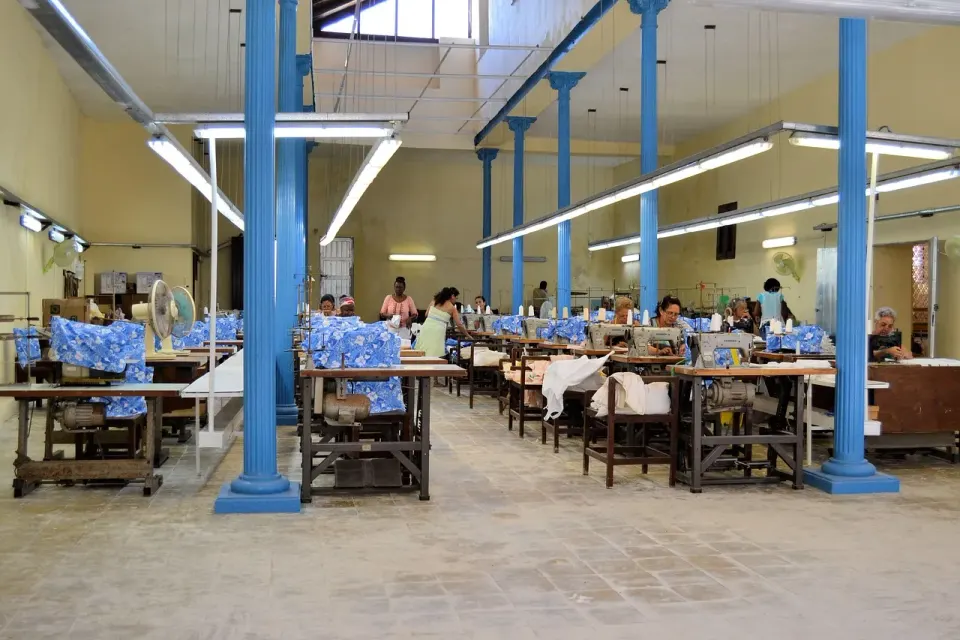
Vietnam Minimum Wage 2027: What Decree 399 Means for Suppliers and Offshore Teams
Wage floors in Vietnam rise on January 1, 2027. Here is how Decree 399 reaches your supplier quotes, your own staff contracts and your landed cost.
In this piece 8 sections
The Vietnam minimum wage 2027 rise takes effect on January 1, 2027. Monthly floors go up by VND310,000 to VND390,000 depending on the region, and Region I reaches VND5.7 million. Suppliers will pass part of that into 2027 quotes. Your own Vietnam staff contracts also need a check before the date.
This guide is for importers and small business owners who buy from Vietnamese factories or run a sourcing or QC team there. It covers the new rates, how they reach your price, and what to do in the next six weeks.
Eastern Plays covers sourcing and shipping from Asia, so we focus on the cost lines that change your landed price.
What Decree 399 Changes for the Vietnam Minimum Wage in 2027
Vietnam's Government issued Decree No. 399/2026/ND-CP in early November. It replaces Decree No. 293/2025/ND-CP.
VnEconomy reported that the monthly floors across the four regional tiers rise to the levels below. The Government news portal had earlier reported that the Ministry of Home Affairs drafted a 7.8% average increase. The final decree kept those numbers.

The table shows the old and new monthly floors in Vietnamese dong, plus our own calculation of the percentage rise.
| Region | Old monthly floor (VND) | New floor from Jan. 1, 2027 (VND) | Rise |
|---|---|---|---|
| Region I | 5,310,000 | 5,700,000 | 7.3% |
| Region II | 4,730,000 | 5,080,000 | 7.4% |
| Region III | 4,140,000 | 4,450,000 | 7.5% |
| Region IV | 3,700,000 | 4,040,000 | 9.2% |
Region I covers the biggest cities, and Region IV covers the most rural areas. The lowest tier rises fastest in percentage terms, which matters if you source from a provincial factory with thin margins. At roughly VND25,700 to the dollar, the Region I floor is about $221 a month.
Hourly floors rise too. Region I goes from VND25,500 to VND27,400 an hour, and Region IV goes from VND17,800 to VND19,400.
Does the Vietnam Minimum Wage Rise Hit Your Supplier or Your Own Team?
It hits both, but in different ways. A factory that pays most workers near the floor feels it directly. A sourcing office that pays well above the floor feels it through the pay scale and the insurance base, and through wage pressure from local competitors.
The tier is set by where the employer operates, not where the worker lives. A branch in one province follows that province's tier. The decree also says that employers inside industrial parks or export processing zones spanning different tiers must apply the highest rate.
That rule catches buyers off guard. A supplier you think of as a Region III factory may sit in a zone that applies Region II or Region I rates. Ask the factory for its registered address and tier before you model the increase.
How the Increase Reaches Your Unit Price
Labor is only one part of a unit cost, but it moves first and quotes follow. The rise at the floor also pushes up the wages just above it, because factories keep a gap between grades. Employer insurance then adds to the bill.

Employers in Vietnam generally pay 21.5% of contribution salary toward social, health and unemployment insurance, according to the Glints TalentHub employer guide. That means each dong of wage increase costs the employer about 1.2 dong. The exact base depends on the contract and statutory ceilings.
Here is a worked example from Eastern Plays' own arithmetic, not a supplier quote. A Region II factory with 200 workers paid at the floor sees a combined rise of VND70 million a month. That is VND350,000 times 200, or about $2,700.
With the 21.5% insurance load it comes to roughly $3,300 a month.
Spread over 100,000 units a month, that is about three cents a unit. On a $4 product it is under 1%. On a $0.80 product it is over 4%, and the supplier will ask for it.
Timing matters as much as size. Many Vietnamese factories set annual quotes before the Lunar New Year, and the holiday falls in early February 2027. Suppliers that fix prices in December without the new floor often reopen the talk in March, once payroll costs show up.
Labor-heavy goods like garments, footwear and furniture carry the most risk. Electronics assembly and high-value goods carry less. Check where your product sits before you accept or push back on a price change.
Duty and freight can swamp wage effects, so run the full picture. Our guide to Section 301 forced labor duties by country shows how tariff rates compare across Asian sources. Our breakdown of FY2027 customs user fees covers the landed-cost lines that sit beside labor.
What Employers Cannot Cut to Offset the Rise
The decree blocks the obvious workaround. SGGP reported that employers must not abolish or reduce wage-related benefits, including overtime and night-work pay and in-kind allowances.
VnEconomy adds that existing contract terms that favor workers stay in force unless both sides agree otherwise. A factory cannot fold a meal allowance into the new floor and call it done. If a supplier tells you it will absorb the rise by trimming allowances, that is a compliance problem and a reputational risk for you.
This matters for buyers with social compliance requirements. An audit that finds wages below the new floor, or allowances quietly cut, can stall an order. Brand customers and retailers treat that as a serious finding.
Weak points to ask about:
- Pay slips showing base wage, overtime and allowances as separate lines.
- Contract language that references the old floor by amount rather than by law.
- Piece-rate workers whose per-piece rate was set against the old floor.
- Probation or trainee pay that sits near the minimum.
How to Check Your Own Vietnam Team's Contracts
If you employ a QC inspector, a sourcing agent or an operations assistant in Vietnam, the same decree applies to you. Most of these roles pay above the floor, so the legal risk is low. The practical risks are in the details.
Start with the wording. A contract that says "minimum wage" with no figure follows the law automatically. A contract that lists a fixed dong amount equal to the old floor is now out of date.
Then look at the pay structure. Entry-level roles such as warehouse checkers or packers often sit within a few percent of the floor. A rise of 7% at the floor compresses the gap to senior staff, and you may need to lift the next grade up to keep the scale sensible.
Also check any outsourced arrangement. If a payroll provider or employer of record handles your team, ask for its January pricing notice. Those providers pass wage and insurance changes into fees, and some bill on the contribution salary.
Questions to put to a staffing provider:
- Which region tier applies to the office address on the contract?
- Does the insurance base change in January?
- Are any workers paid by the hour, and does the hourly floor apply?
- Will the January invoice show wage and fee lines separately?
What to Do Before January 1: A Six-Step Plan
The next six weeks are the window to settle this without a dispute. Work through these steps in order.
- Confirm each supplier's tier and registered address, including whether it sits in an industrial park or export zone.
- Ask for the labor-cost share of your unit price, split into direct wages and insurance.
- Request the 2027 quote in writing and ask which wage assumption it uses.
- Review your own Vietnam staff contracts against the new floor and the unchanged allowance rules.
- Check payroll or EOR provider invoices for the January change.
- Agree a price-review clause for mid-year, so one wage rise does not reopen the whole contract.
Treat the first conversation as a cost review, not a negotiation. Suppliers who share a clean labor breakdown are usually the ones who will hold quality when margins tighten. Those who refuse to share it may be hiding something, or may be padding the quote.
If you also run teams elsewhere in Southeast Asia, compare the moves. Our piece on Malaysia's RM2,000 minimum wage in 2027 shows how a similar rise plays out for suppliers and staff there.
Counterpoints: When the Increase Matters Less
Not every buyer needs to worry. A supplier whose workers already earn well above the floor may see little direct effect. Many Region I factories in the biggest cities pay above the minimum to keep skilled workers.
The rise is also modest next to swings in freight and tariffs. A container rate move can change landed cost more in a week than this decree does in a year. Treat the wage rise as one input, and budget for it, but do not let it drive a supplier switch on its own.
There is also a quality angle. Factories that squeeze labor costs hardest can cut inspection time and rework first. If a supplier proposes a lower price despite the rise, ask what changed in its process, and tighten your pre-shipment checks on the first 2027 orders.
Conclusion: Budget the Rise Now
The Vietnam minimum wage 2027 increase is small per unit but real in aggregate. Confirm tiers, ask for labor splits, check allowances and lock a review clause. Do this before January 1 and the change becomes a routine line in your cost model instead of a surprise on the first invoice of the year.