EU €3 Customs Duty on Low-Value Parcels: What Asia-Based Sellers Must Change
The EU now charges €3 on parcels worth up to €150. Here is how it works, what it does to small orders and how to keep direct shipping profitable.
In this piece 10 sections
Since July 1, 2026, the European Union charges a flat €3 customs duty on goods in low-value parcels worth up to €150. The old duty-free exemption is gone until at least mid-2028. Sellers shipping from Asia to EU customers should register for IOSS, classify each product and price the new cost into checkout.
The change lands hardest on small, cheap parcels sent direct from factories and fulfillment houses in China, Vietnam and elsewhere. This guide from Eastern Plays explains how the EU €3 customs duty works, what it does to small orders, and the steps that keep a direct-ship business profitable.
What Is the EU €3 Customs Duty on Small Parcels?
It is a temporary flat-rate customs duty on goods in low-value consignments entering the EU. Council Regulation (EU) 2026/382, dated February 11, 2026, removed the €150 duty exemption. From July 1, 2026 until July 1, 2028, goods in postal consignments with a total value up to €150 pay €3 per item.
The Andersen law firm's summary says the measure will be reviewed to decide whether it should continue past 2028. VAT is separate. VAT has applied to all EU imports regardless of value since July 2021.
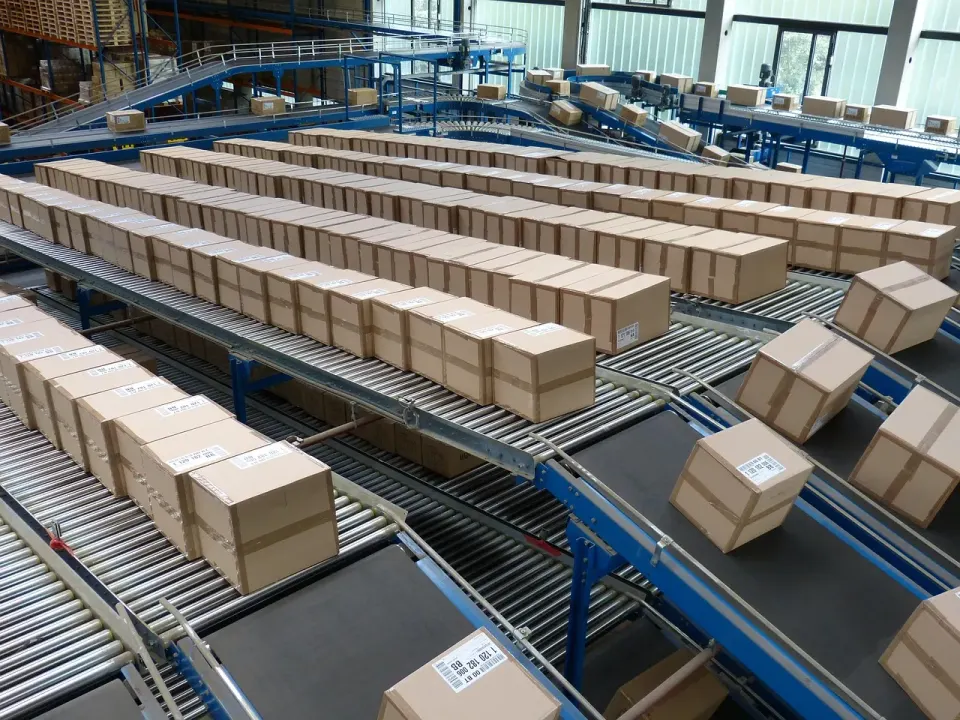
The duty replaces a free ride. Until this summer, most parcels under €150 paid only VAT, which let sellers ship tiny orders straight from Asia at low cost. That advantage is now smaller, and the full effect depends on how the "item" is counted.
Is the €3 Charged Per Parcel or Per Product Category?
Trade sources disagree, and the regulation's wording matters. A ShippyPro guide says the duty is charged per tariff heading in a parcel, so a parcel with three product categories pays €9. Others describe €3 as a flat charge per shipment.
Plan for the higher reading until your carrier or customs broker confirms otherwise. If your parcels hold one product, the answer is the same either way. If they hold a mix of items, your costs could triple.
Ask your carrier three things. How do you count items for the €3 charge? Do you collect it from me or from the customer? How will it appear on the invoice? Get the answers in writing, since carriers have each set their own processes.
How Much Does €3 Add to a Small Order?
For a €20 order, a single €3 charge is 15% of the order value. For a €100 order, it is 3%. A mixed parcel with three tariff headings pays €9, which is 22.5% of a €40 order. The smaller your average order, the harder the charge bites.
The table below shows how the duty compares with order value for four sample parcels. It ignores VAT, shipping and any handling fee.
| Parcel | Order value | Tariff headings | Duty | Share of order |
|---|---|---|---|---|
| Phone case only | €20 | 1 | €3 | 15.0% |
| Desk lamp | €60 | 1 | €3 | 5.0% |
| Case, cable, charger | €40 | 3 | €9 | 22.5% |
| Starter kit bundle | €100 | 3 | €9 | 9.0% |

Those numbers shape your pricing. A product that sells for €15 with a €5 gross margin cannot absorb a €3 charge. It needs a higher price, a minimum order size, or a different shipping model.
What About the Handling Fee and National Charges?
The €3 duty is not the whole story. ShippyPro reports an EU handling fee of around €2 per parcel expected around November 2026, but the amount and start date were still under negotiation. Treat it as a planning number, not a fact.
Some countries already add their own charges. The same source names France, Italy and Romania, with France charging up to €5 per item line for goods cleared there. Your total cost depends on where the parcel enters the EU.
The practical lesson is to model cost by entry point. A parcel cleared in a low-fee country and trucked onward may cost less than one cleared in a high-fee market. Ask your carrier which country they use for customs clearance.
Did the US Close the Same Door?
Yes, and earlier. The US ended duty-free treatment for low-value parcels from China and Hong Kong on May 2, 2025, and for all other countries on August 29, 2025. Small shipments now need a formal or informal entry with applicable duties, as CBP's e-commerce FAQ explains. CBP has also moved to make the suspension indefinite.
If you sell to both markets, the same direct-ship model is under pressure on both sides of the Atlantic. Our guide to finding your HTS code and asking CBP for a binding ruling helps with the classification step that both systems now depend on.

Classification is the common thread. Duty in both markets is calculated from the product's tariff code, and a wrong code can mean an overcharge, a delay or a fine. Get each SKU classified once, and store the code in your catalog.
How Can You Keep Direct-Ship Orders Profitable?
Use five steps, in this order. Each one cuts a cost or removes a surprise at the doorstep.
- Register for the Import One-Stop Shop (IOSS) through an intermediary or an EU member state.
- Classify every SKU with the correct tariff code and keep a master list.
- Switch to delivered-duty-paid (DDP) pricing so customers see the full price at checkout.
- Raise minimum order values or bundle items under a single tariff heading.
- Test bulk shipping to an EU warehouse for your top sellers.
DDP matters more than it sounds. When customers get a surprise bill at the door, many refuse the parcel, and you pay for the return or the loss. Showing the duty at checkout avoids that and keeps your reviews clean.
Bundling can help if your products share a tariff heading, since the charge falls per heading and not per unit. Accessories sold in a set of five could cost €3 instead of €15 under that reading. Confirm the rule with your carrier before building a pricing strategy on it.
When Does Bulk Shipping to an EU Warehouse Beat Direct Parcels?
It wins when you ship the same products often and in decent volume. A sea or air freight shipment of 5,000 units enters the EU as a normal commercial import, with the regular duty rate on the tariff heading instead of €3 per parcel. Local parcels from a warehouse then reach customers with no import charge.

Run the math product by product. If the regular duty on a product is 0% to 4%, bulk import is far cheaper than paying €3 per parcel. If the rate is 12% or higher, the gap narrows. Add warehouse fees, storage and the risk of unsold stock before you decide.
Freight rates shape that choice too. Our report on container freight rates from China after Golden Week shows how to work out the shipping cost per unit. For other deadlines this quarter, see China ship fees in November 2026.
How Should You Explain the New Charge to Customers?
Be direct and put the number where buyers see it early. A line on the product page that says "EU duty included in the price" calms doubts before they grow. If you pass the charge on separately, show it in the cart, not after payment.
Update your returns policy as well. Customers who refuse a parcel at the door create a loss of the goods, the shipping and the duty. A clear policy and a prepaid duty message reduce those refusals and the support tickets that follow.
Finally, watch your reviews for complaints about surprise fees. A cluster of them is an early warning that your checkout messaging is not working, and fixing it is cheaper than losing the listing.
What Should You Do This Month?
Start with data. Pull the last 90 days of EU orders and count how many fell under €150, how many held more than one product type, and what your average order value was. That shows how exposed you are.
Next, talk to your carrier or forwarder. Ask how they treat the €3 duty, what they charge to collect it, and whether they support DDP. Compare at least two providers, since processes and fees vary a lot.
Finally, update your prices and your shipping page. Tell customers about duties up front, and show the total at checkout. Eastern Plays editors suggest reviewing the numbers again in January, once the handling fee and national charges become clearer.
Conclusion
The EU's €3 duty ends the duty-free era for cheap parcels from Asia, and the US closed its own door in 2025. For small sellers, the fix is practical: classify every product, register for IOSS, price duties into checkout and test bulk shipping for your best sellers.
Your next step is to pull your last 90 days of EU orders and count how many would have carried the €3 charge.